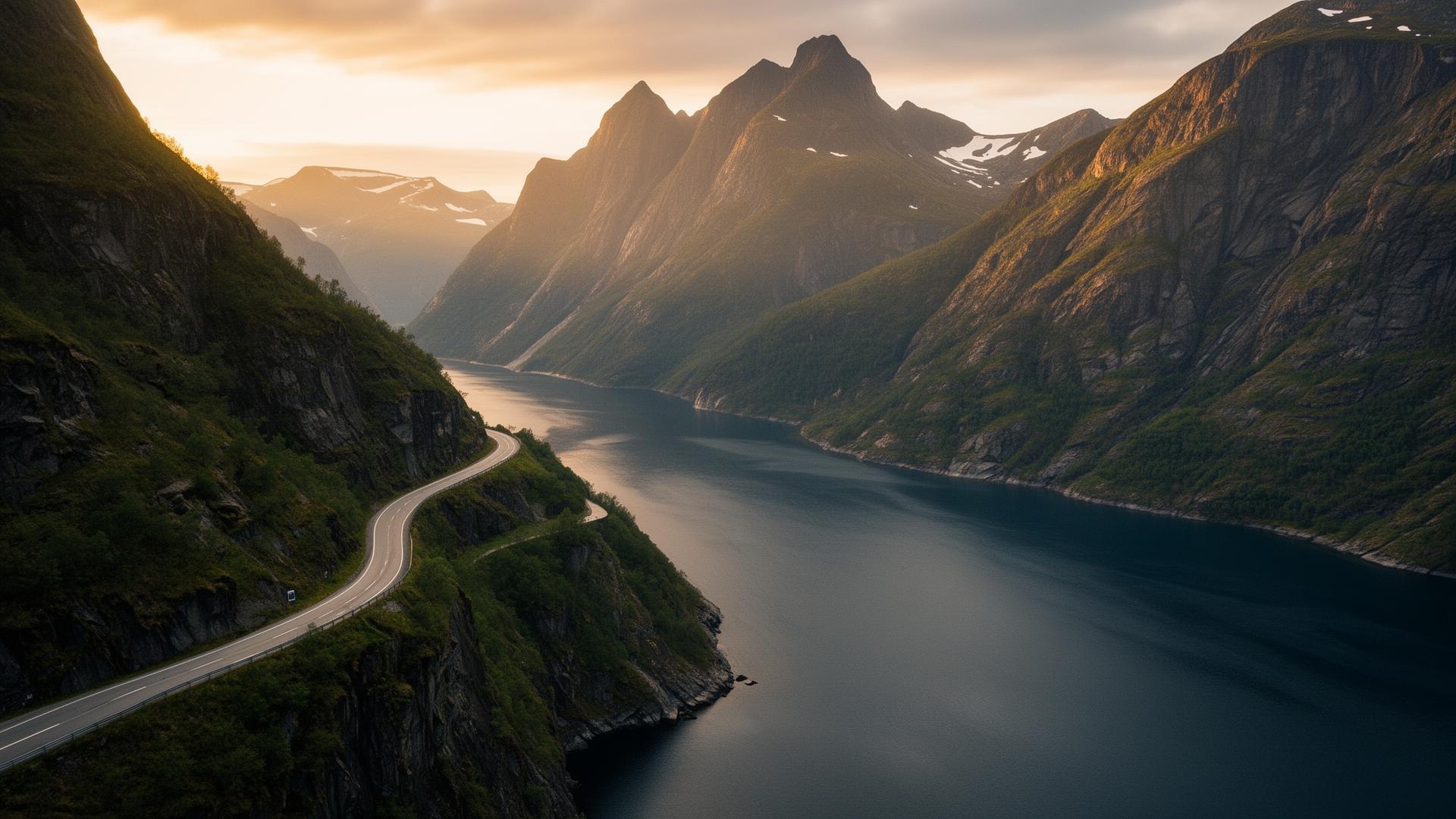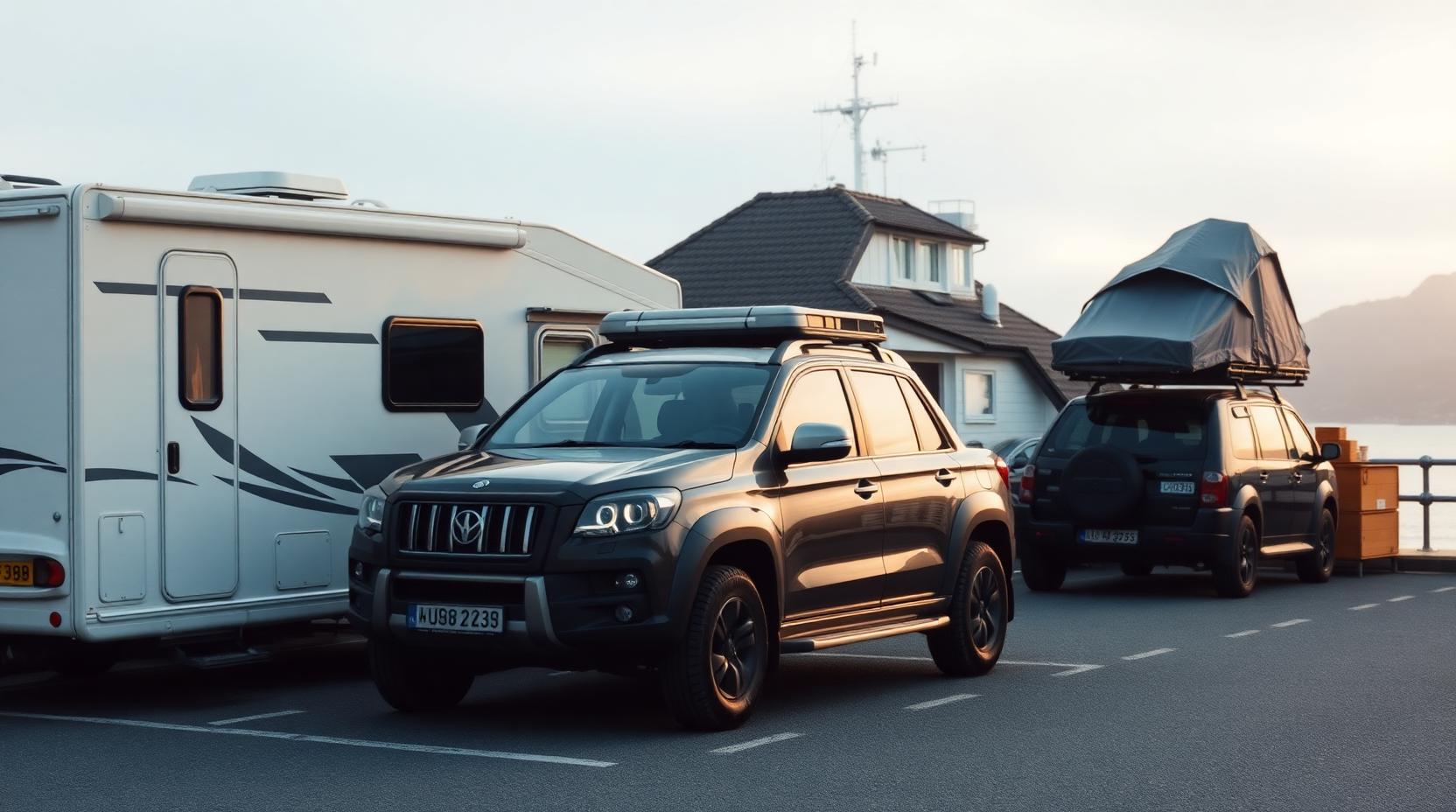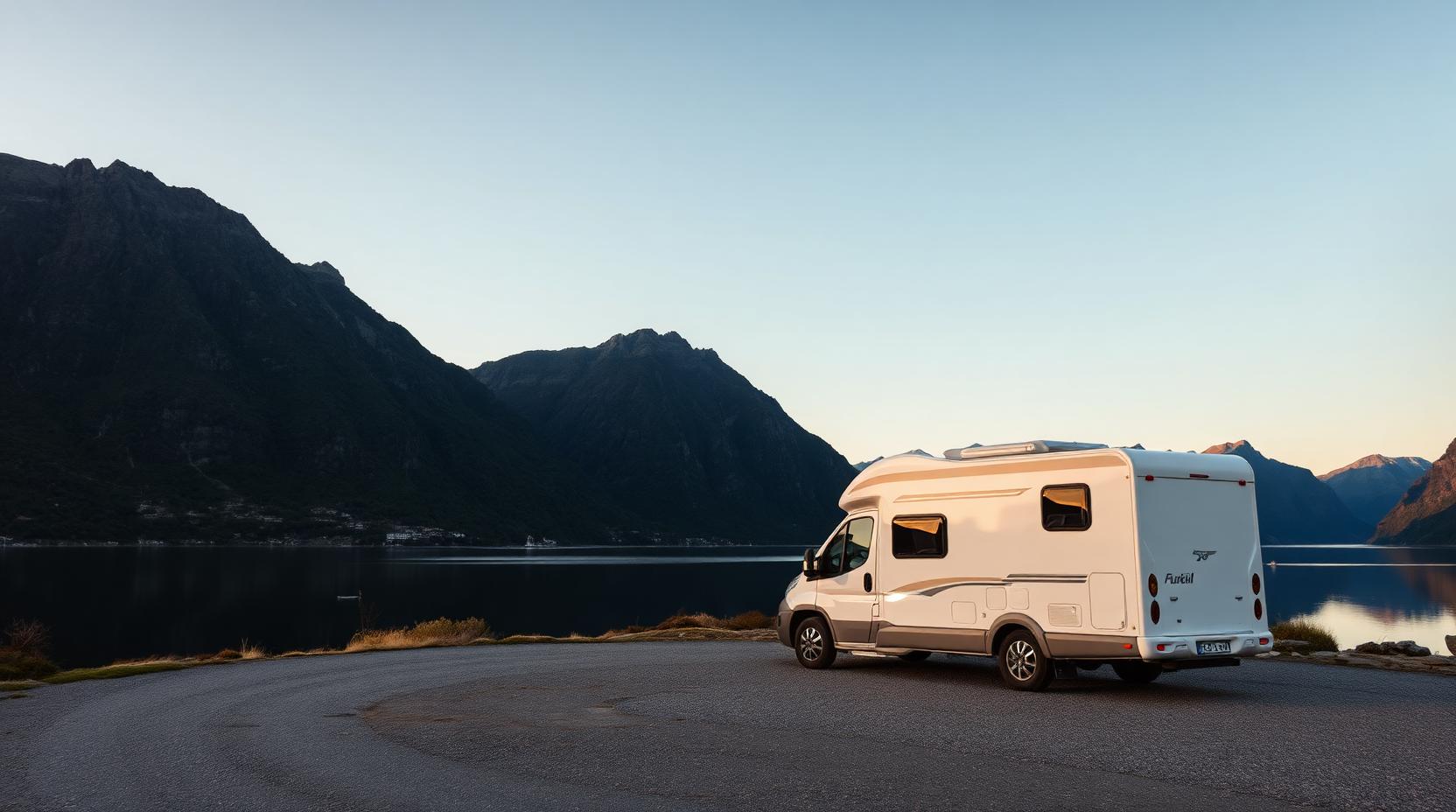
At 21:30 on an August evening, two kilometres from the E10 in Lofoten, two German motorhomes already occupy a gravel car park. A Dutch van enters behind you. At the far end, a new English sign prohibits overnight stays between 22:00 and 06:00.
Wild camping in Norway still offers considerable freedom, but the answer has become more local and site-specific. A place that worked last summer may carry a new restriction today.
Apply the right to roam to tents, not vehicles
Norway's allemannsretten, primarily governed by the Outdoor Recreation Act, permits responsible access and tenting on uncultivated land. A tent may normally remain for up to two nights without the landowner's permission, and longer in remote areas away from settlement.
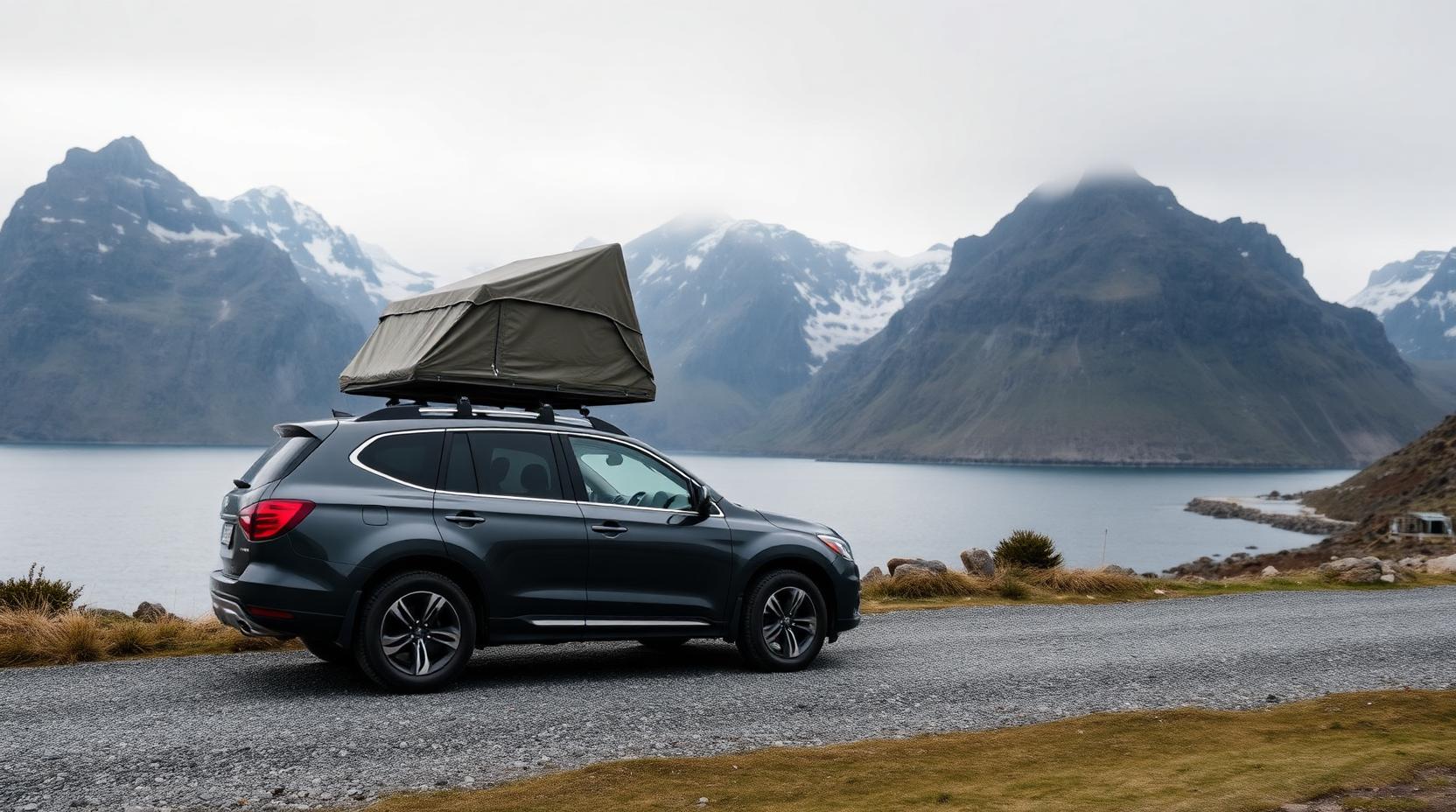
The rule does not automatically cover a motorhome, campervan or car with a rooftop tent standing on its wheels. Driving and parking follow road and motor-traffic law. A legally parked vehicle can still be subject to a local camping or overnight prohibition.
Keep the common 150-metre distance from occupied houses and cabins in mind, remain no more than two nights where that rule applies, and read the exact local conditions. Legal parking is the first question, not the final one.
Expect local restrictions in popular districts
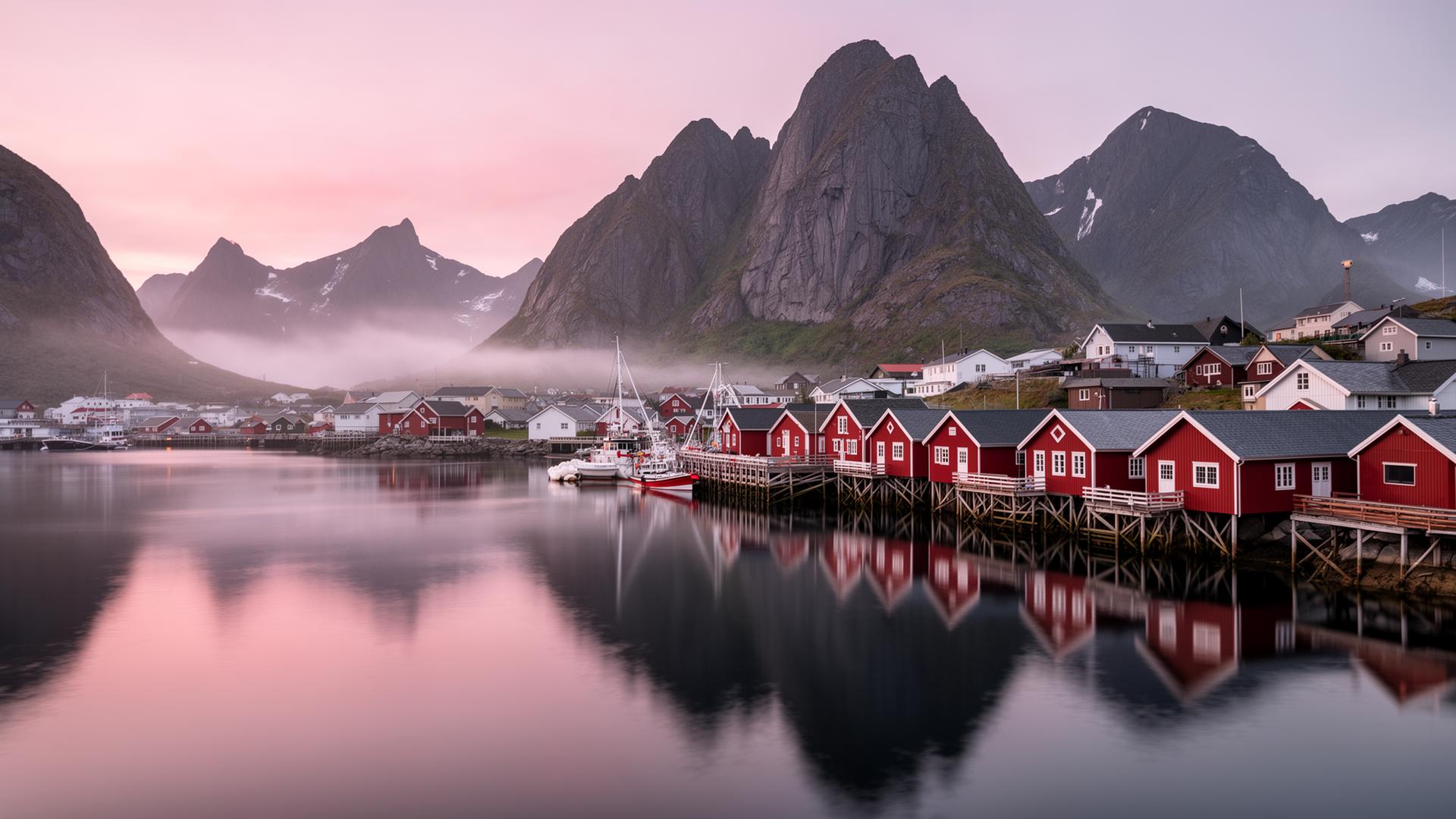
Lofoten and busy west-coast destinations increasingly use municipal regulations and signs at overloaded parking areas. Reine, Hamnøy, Ramberg and famous fjord viewpoints attract more vehicles than their toilets, waste systems and access roads can support.
If a sign says camping forbudt, overnatting forbudt or displays a crossed-out motorhome, leave. Another parked vehicle is not evidence that the stay is permitted. A review from 2022 is no defence against a current sign in 2026.
Look beyond the most photographed places
The places that still work best tend to be quieter: minor roads away from the E6 and E10, appropriate older rest areas, modest motorhome areas and farms where the owner permits a night for a small fee.
A low-cost farm or bobilplass is not free in the strict sense, but it can be quiet, lawful and sustainable. It gives the owner a reason to welcome travellers again next year.
Travellers carrying an ordinary ground tent can leave the vehicle in lawful parking and walk into suitable uncultivated land. That returns the night to the classic tent-based right to roam, provided distance, stay length and local rules are respected.
Use apps as leads and official maps for context
Park4Night and Campercontact provide broad coverage, but the date of the latest report matters more than its star rating. Read recent comments in several languages and remain sceptical when municipal enforcement or new signs are mentioned.
Norgeskart provides useful official mapping, while Statens vegvesen reports roads and seasonal mountain-road status. Download offline maps before entering regions with unreliable coverage.
No tool replaces the site inspection. Check the sign, surface, nearby homes and whether the vehicle can leave without damaging the verge.
Treat waste and service as part of the route
Carry your own rubbish bag and empty it at a suitable staffed disposal point. Use designated tømmestasjoner for toilet and grey water, never a ditch or stone pile behind the vehicle.
Water is available at many campsites and formal motorhome areas, but service gaps grow outside the main season and around outer Lofoten. Start searching before the tank falls below a quarter.
Courtesy is a survival strategy for vehicle camping. Do not block a farmer's access, spread equipment across a public car park or leave paper behind a rock. Short stay. Clean departure. Respect every sign.
Save your own Norwegian evidence
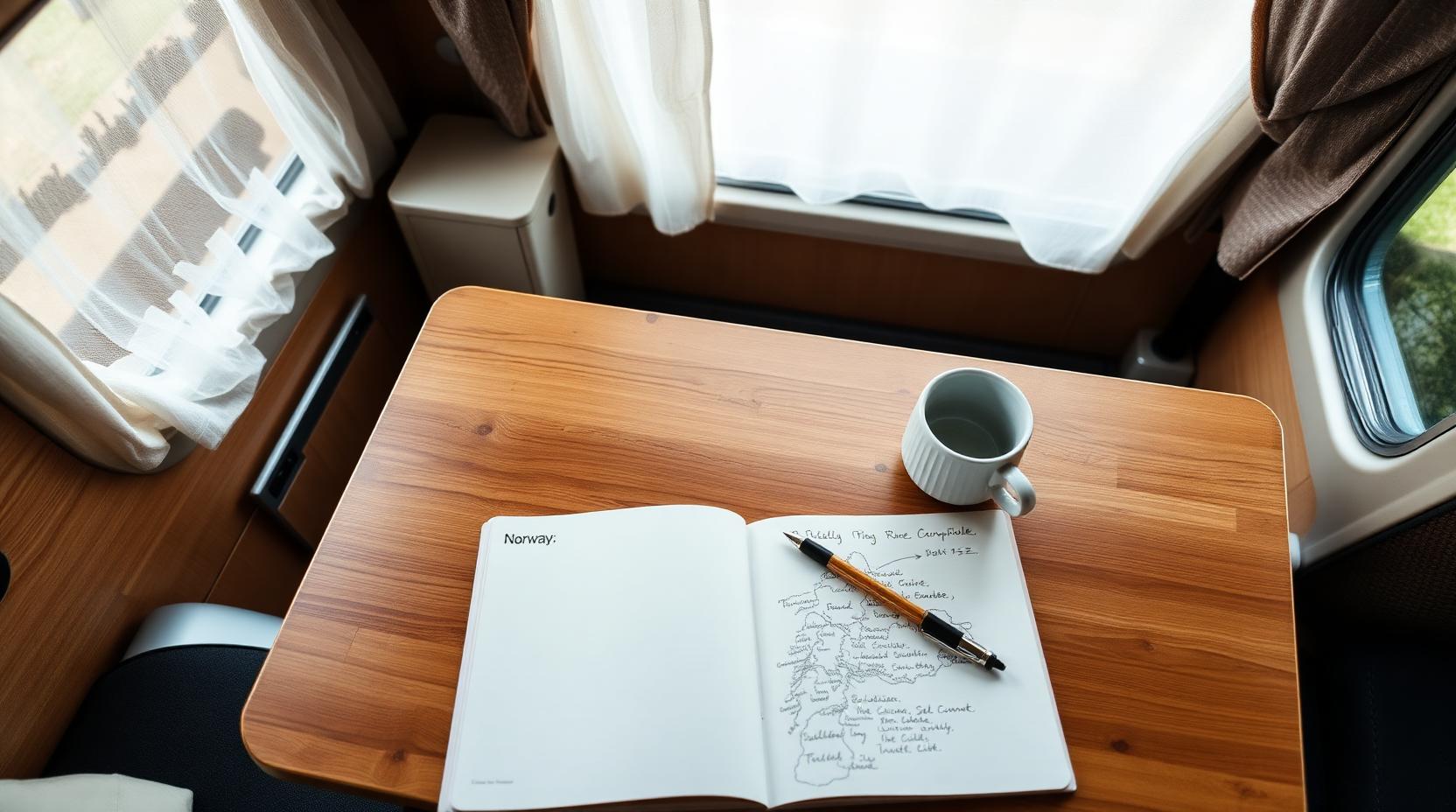
The great fjord remains in memory; the small paid farm parking area and its exposed westerly wind do not. Record the surface after rain, wind direction, nearest service and exact condition that made the night work.
FARON keeps that night private with its position, image and note through Log overnight stays. The trip map then becomes your own Norwegian reference rather than a public place database.
Continue with the Norway road-trip guide, Lofoten by motorhome and the comparison with Swedish vehicle-based wild-camping rules.
Frequently asked questions
May I stay anywhere in a motorhome in Norway?
No. A motorhome must be legally parked and follow any local camping or overnight restriction; the right to roam does not automatically authorise motor vehicles.
How does Norway's right to roam differ from Sweden's?
Both protect responsible outdoor access, but vehicle parking remains separate from tenting. Popular Norwegian municipalities also use explicit local overnight restrictions extensively.
How do I find places without relying on a public camping map?
Combine official mapping, current road information and recent app reports, then favour lawful small motorhome areas or owner-approved farm parking away from overloaded viewpoints.
What happens if I ignore a no-camping sign?
You may receive a parking charge or fine and contribute to the site's permanent closure. The current sign always outranks an old app entry.