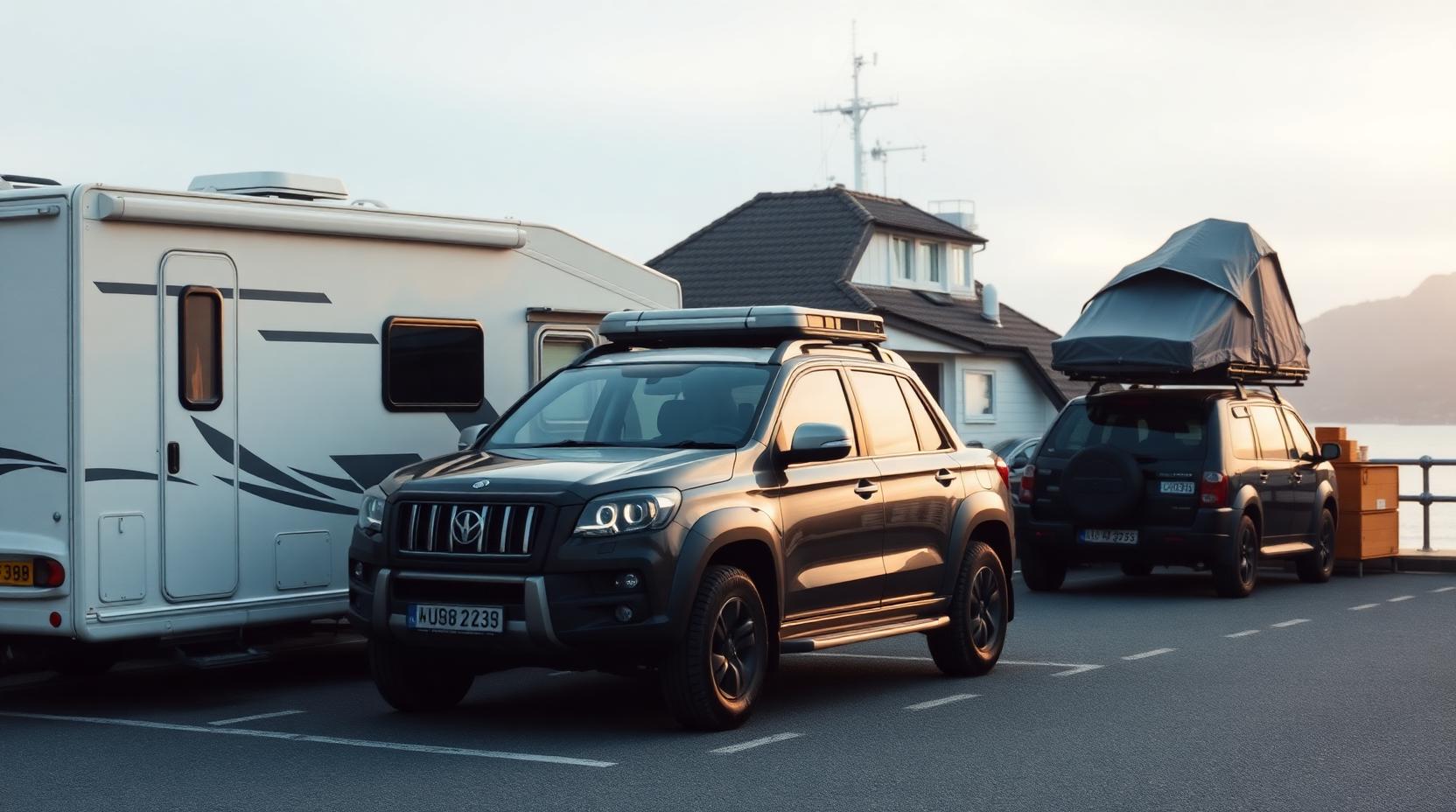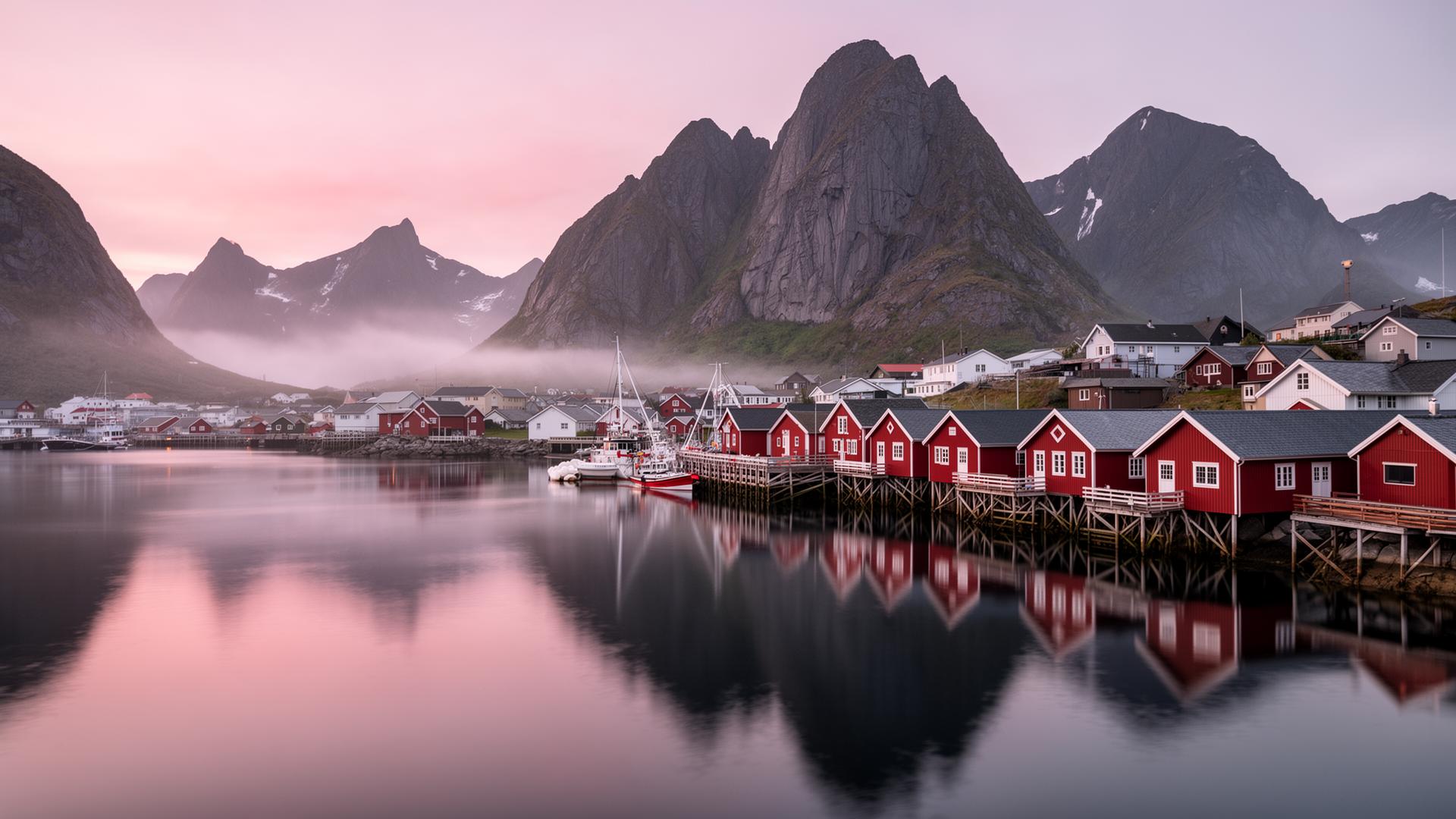
Drive via Narvik to change your arrival day without a ferry booking. Choose Bodø–Moskenes when western Lofoten is your first destination and a sailing fits the journey. Compare total driving, fare and arrival time from your actual starting point.
Choose the road via Narvik or the ferry from Bodø
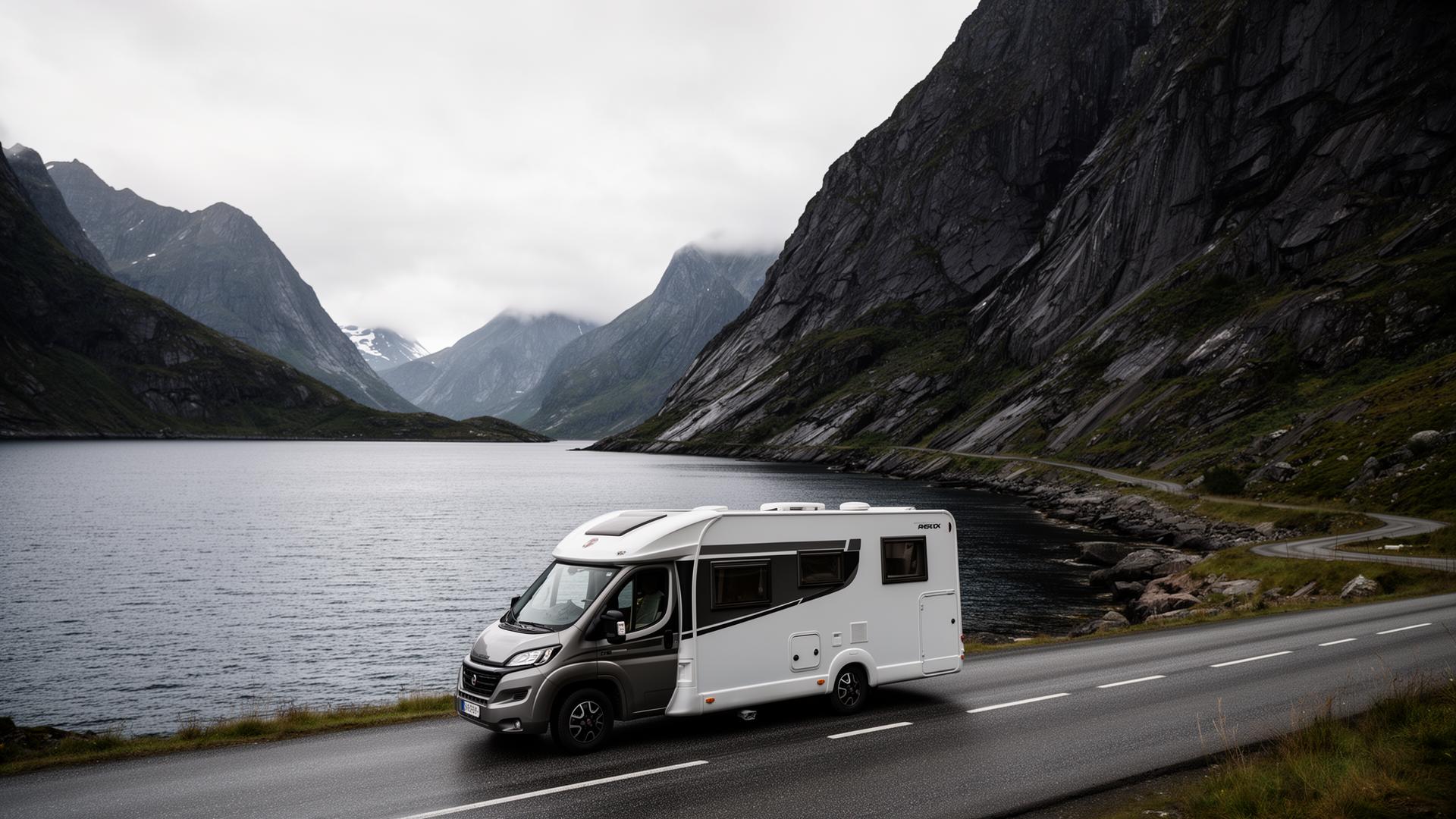
The road from Sweden follows E10 via Kiruna and Riksgränsen towards Narvik/Bjerkvik and Lofoten. Choose nights according to your starting point and comfortable driving days. A night near Narvik may leave more time for the first island visit than continuing after a long transfer day.
Bodø–Moskenes reaches western Lofoten near Å and Reine. Reservations are optional; reserved vehicles must join the marked queue at least 45 minutes before sailing. Check availability, dimensions, fare and timetable for your date. You can enter by road and leave by ferry, or compare a ferry return trip.
Build the driving day around the visits
Narrow sections, bridges and meeting traffic need time even in a smaller car. Follow posted limits and consider road width and turning space before taking a side road. Vehicle length alone does not establish suitability.
Work backwards from overnight arrival. With five hours available and two hours of driving, an hour for lunch and a half-hour reserve leave 90 minutes for a visit. A walk lasting several hours needs a different driving day.
Leave the Hamnøy bridge photograph for another time if no lawful parking is available. Do not stop on the bridge or in a passing place for a photograph. A full car park means choosing another stop.
Use lawful overnight infrastructure
Read the local camping and parking rules for each overnight place, particularly at popular beaches and villages. A visitor car park can have different conditions from a designated motorhome area.
Signed bobilparkering areas and small campsites provide clearer options. Check current prices, services and opening dates rather than relying on an old list.
The vehicle must be legally parked. According to Miljødirektoratet’s guidance on camping with motor vehicles, the rules on staying also apply when camping in a motorhome, campervan or rooftop tent: normally at least 150 metres from an inhabited house or cabin and no more than two days in the same place without the landowner’s consent. Longer stays in the high mountains or far from buildings may be allowed without consent if they cause no appreciable damage or inconvenience. At established campsites, follow the site’s conditions. Read the signs and local rules; the rules on staying give no right to drive off-road.
Choose a visit that fits the weather and time
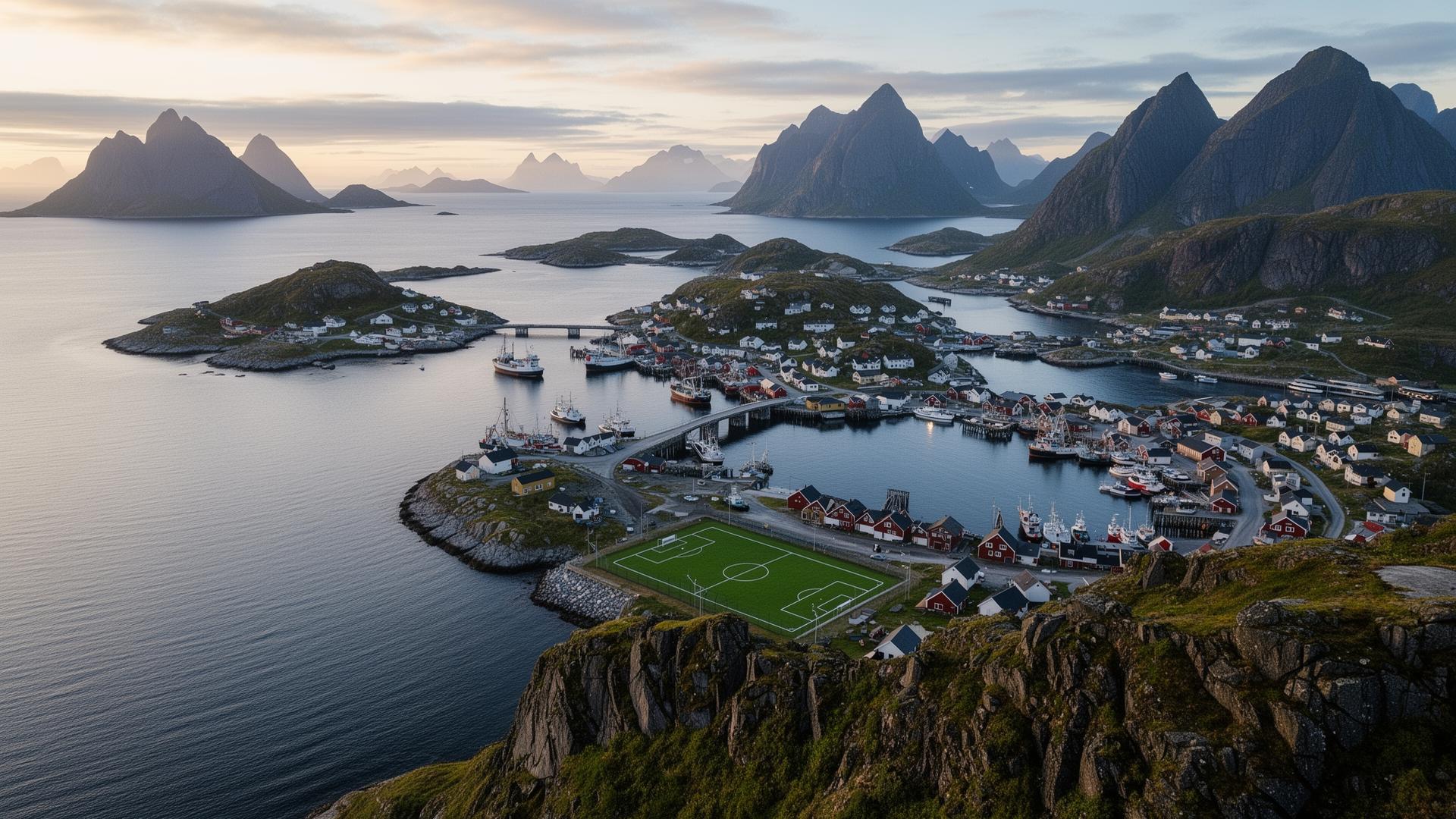
Å: reach the fishing village from designated parking
The Norwegian Fishing Village Museum directs visitors to parking after the tunnel, with a service house selling tickets and providing toilets. Walk into the historic village when the museum is open. Check your date’s calendar rather than assuming summer hours apply all year.
Haukland: coastal walk or mountain day
A flat gravel road runs from Haukland around Veggen towards Uttakleiv. Visit Lofoten describes this coastal route as an easier alternative to the mountain hike. Set a turnaround time and return the same way to avoid the pass. The steep routes towards Mannen or Himmeltinden need a separate decision rather than a casual extension of a beach walk.
Check current Haukland parking and move on if it is full. Strong coastal weather may favour a museum or shorter day. Arrange shopping and the night around the chosen visit so a late walk does not leave you searching for service.
Match season and equipment to exposure
Late August or early September can be an alternative to July for a first summer trip. Check the actual opening dates of your campsites and visits. Winter requires a prepared vehicle and experience of Norwegian road conditions.
Follow the tent’s weather limits and have accommodation where you can sleep with it closed. Use motorhome levelling equipment according to the vehicle instructions and site rules. A viewpoint may be neither level nor suitable for an overnight stay.
Save how long the outing took
If the coastal walk took longer with pauses than expected, save your own time with the stop and photographs in FARON. When you view the Lofoten journey on the map next time, give the walk more room and move shopping to the morning.
FAQ
Can a large motorhome drive E10 in Lofoten?
Large vehicles use E10, but check current restrictions and allow for narrow sections and meetings. There is no general six- or seven-metre rule establishing which side roads suit your vehicle.
Is the Bodø–Moskenes ferry worthwhile?
It can save a long drive and places you at western Lofoten. Check current booking, check-in and weather information directly with the operator.
Where can I stay overnight in Lofoten?
Use signed motorhome areas, small campsites or other places where both parking and overnight stays are allowed. For motorhomes, campervans and rooftop tents too, the normal rules are at least 150 metres from an inhabited house or cabin and no more than two days in the same place without the landowner’s consent. Exceptions for longer stays are described above. Follow local rules and campsite conditions, particularly around Reine, Haukland and Uttakleiv.
How do I save Lofoten places without publishing them?
Log the coordinate, photograph and private note in FARON. Nothing becomes public unless you actively share the trip.