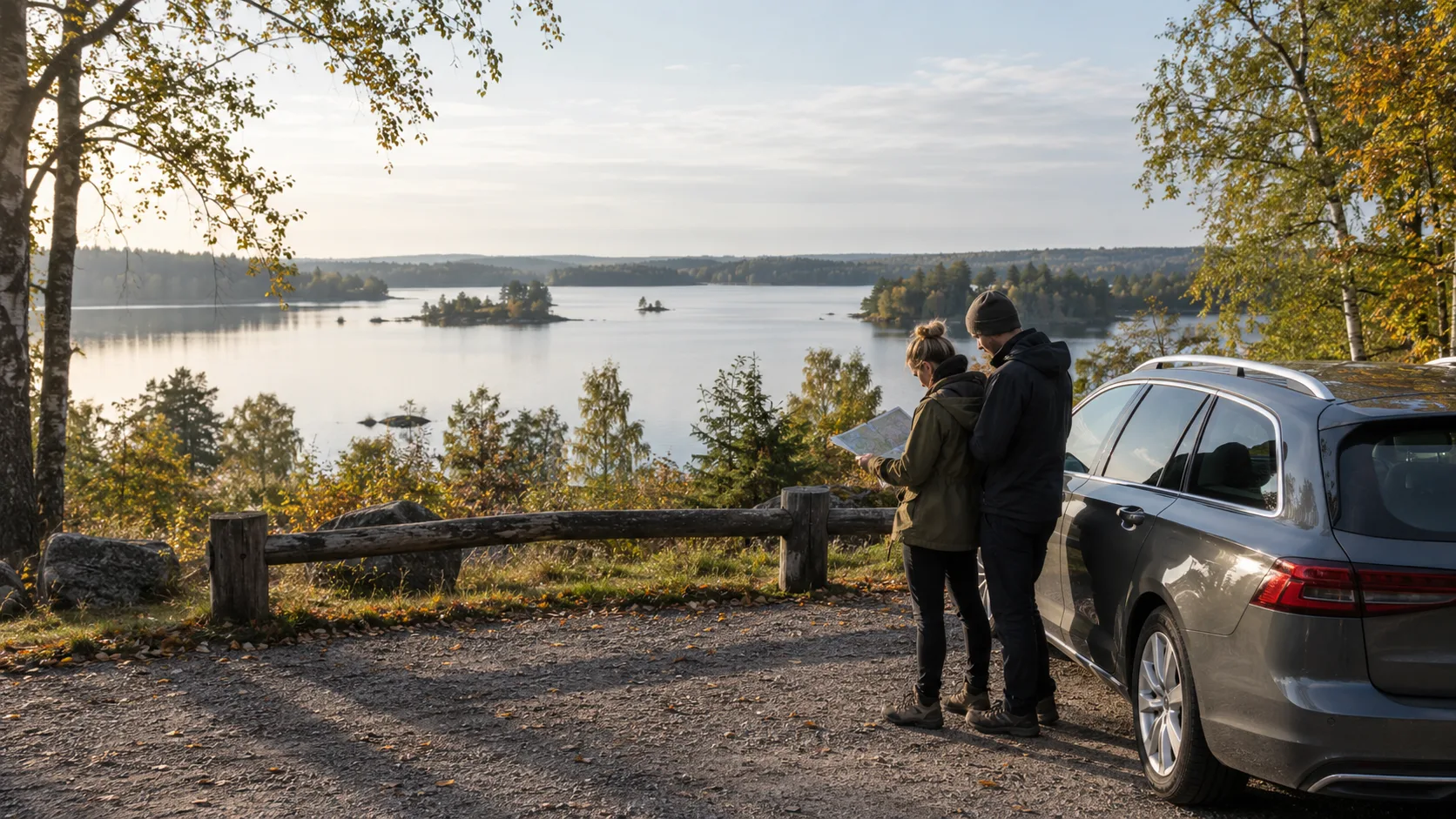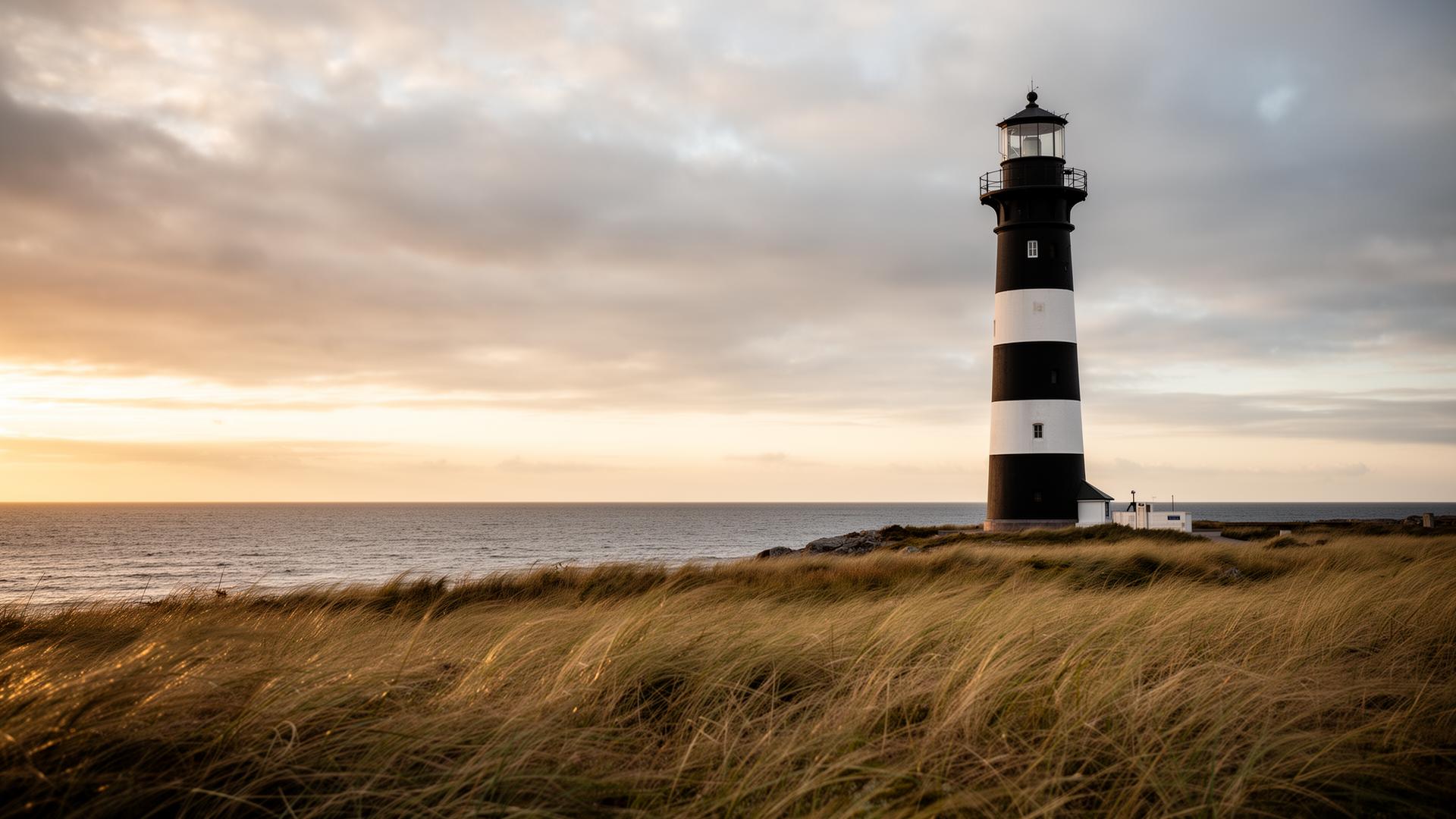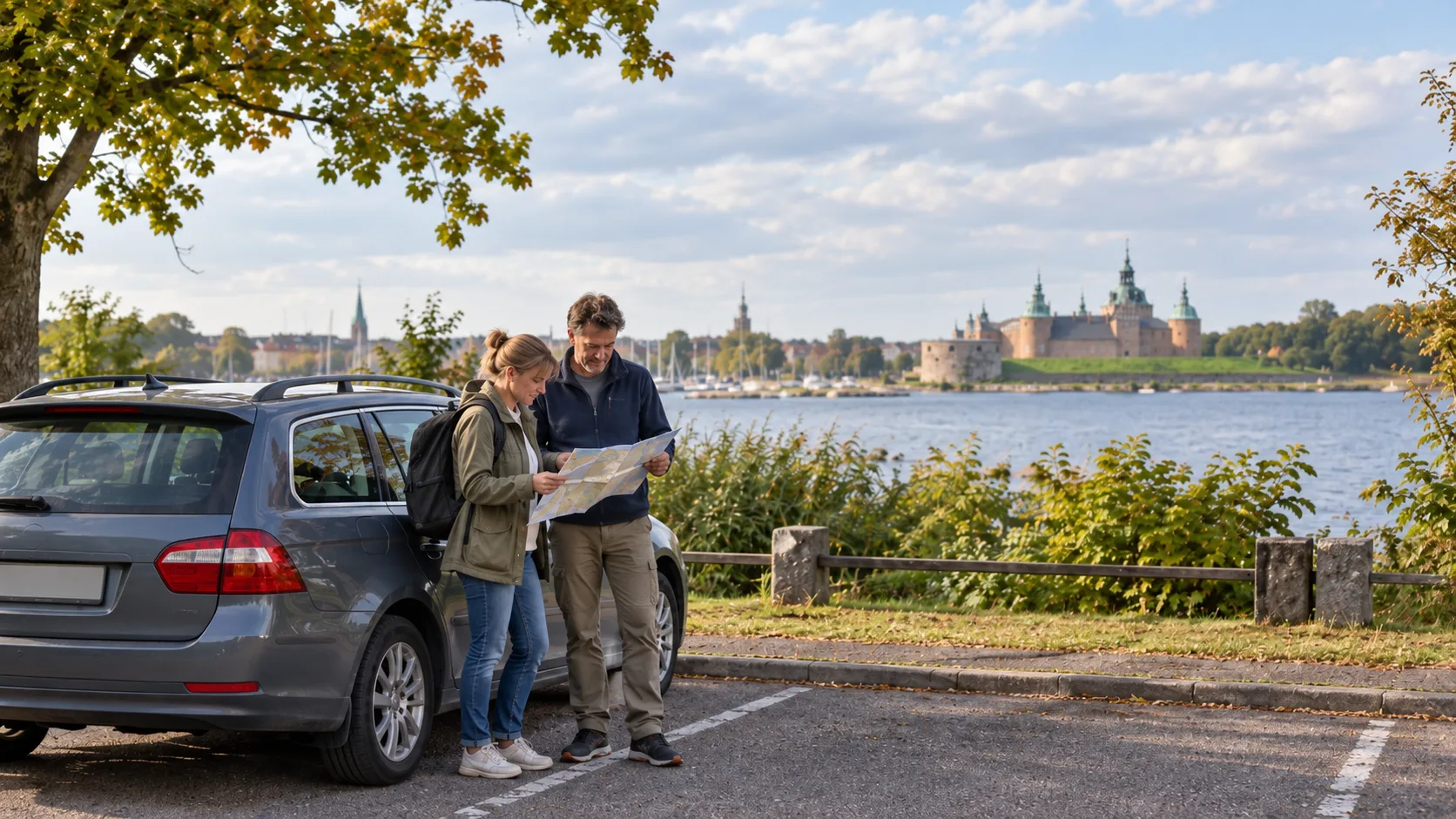
Kalmar County looks narrow on a map, but a castle morning in Kalmar and a boat day to Blå Jungfrun demand completely different travel rhythms. Four days can cover the southern mainland well; six gives you enough space to continue north through Misterhult, Västervik and Vimmerby without reducing every stop to a quick photograph. The same framework works for a car, motorhome, caravan, campervan or rooftop-tent setup, while parking and overnight choices remain separate from the sightseeing plan.
1. Kalmar Castle – plan the city day around opening hours
Kalmar Castle and the Old Town can be combined with a walk to Kvarnholmen. I would start inside the castle when its exhibitions are the main reason for visiting, then explore the city afterwards.
Autumn has two different schedules. The castle calendar lists daily opening from 10:00 to 16:00 through 1 November 2026, then weekends from 11:00 to 15:00 on 7–22 November. Choose the date first. Then choose a tour. The restaurant may keep different hours.
Arriving at 14:00 on a day when the castle closes at 16:00 leaves 2 hours. I would choose the exhibition or tour that matters most and eat afterwards. For a longer castle visit, arrive earlier rather than trying to fit everything in before closing.
2. Stensö and Kalmarsund
Stensö changes the scale after central Kalmar. The peninsula sits south of the city and gives you coastal paths, woods and open views across Kalmarsund without asking for another museum visit. It works particularly well after a long castle morning or before continuing north.
An hour is enough for a short walk; give it two or three if you want to slow down, follow more of the coast or consider a swim. Stensö Flundran is an established bathing place and there is also a snorkelling trail, but bathing-water conditions and current local information should still be checked on the day. Destination Kalmar also describes the roughly 10-kilometre Linnéslingan between the university and Stensö if you want a more substantial walk rather than a short pause.
3. Nybro and Pukeberg — glass as a working craft
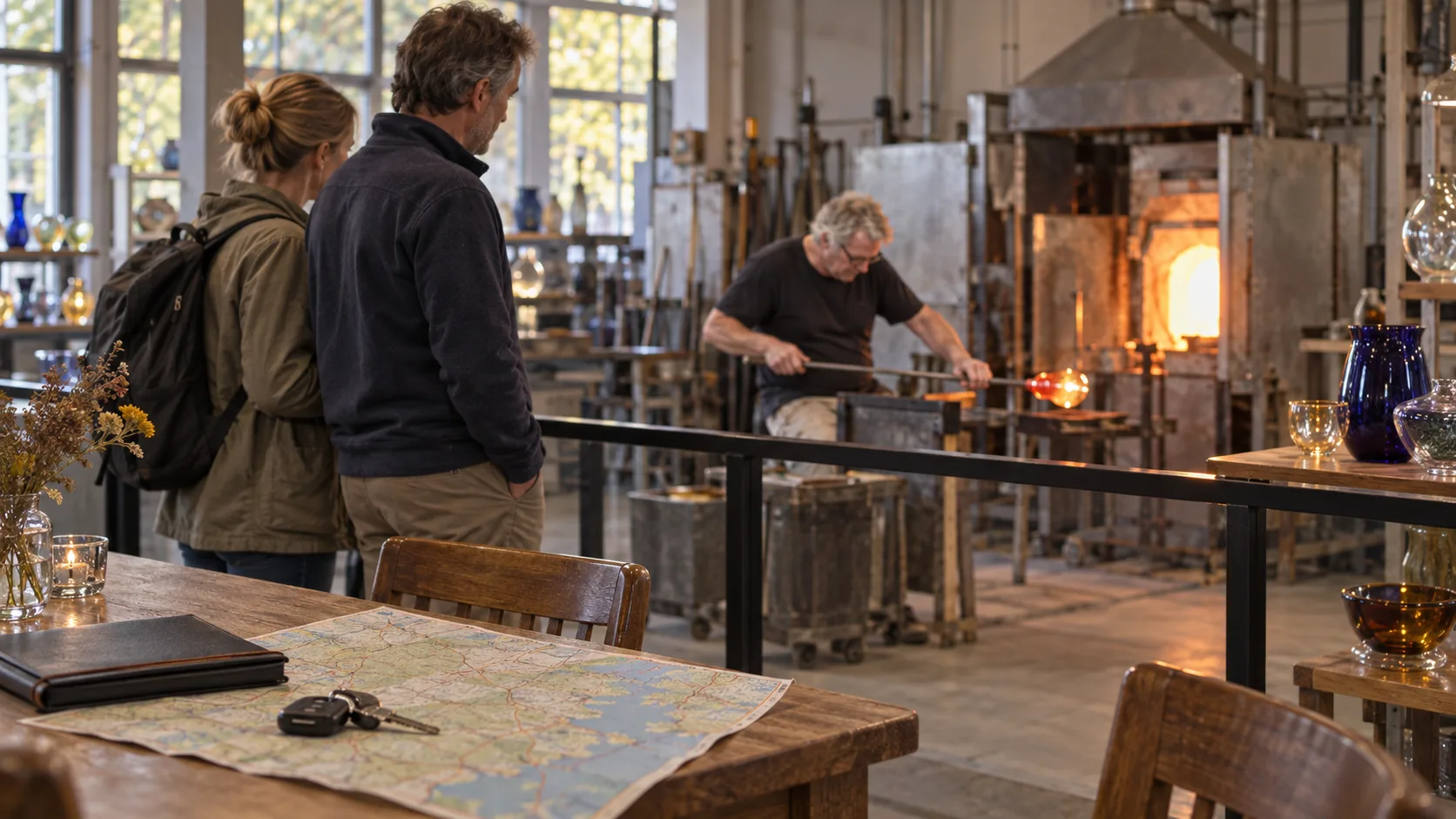
Pukeberg is the stop that makes the Kingdom of Crystal in Sweden feel like an industry and a craft rather than a shopping label. Glass has been produced here since 1871, and the preserved works environment now also houses Riksglasskolan, Sweden’s national glass school. A visitor-facing shop remains part of the site, alongside small-scale production.
Plan around two hours if Pukeberg is one part of the day, more if a specific demonstration or activity is confirmed. The important distinction is between seeing a historic glassmaking environment and actually watching glass being blown: a shop visit does not guarantee that the hot shop is operating for visitors.
There is also a practical reason to verify before leaving. On 8 September, Glasriket’s general opening-hours page lists the Pukeberg shop on weekdays and Saturday, while its dedicated Pukeberg page lists only Tuesday and Wednesday, 11:00–15:00. Contact the site directly before building the day around it.
4. Mönsterås, Kronobäck and Timmernabben
This stage works because none of its parts needs to dominate. Mönsterås gives you the small-town pause, Kronobäck adds the remains of a medieval monastic site, and Timmernabben brings the journey back to a village that grew around the coast and maritime activity.
Allow a half-day for the three rather than rushing between them as separate attractions. In 2026, the organised guided programme at Kronobäck ran on Thursdays and Sundays in July and Thursdays in August, with the final listed tour on 27 August. Outside that programme, check current visitor information instead of assuming a staffed guided visit.
Timmernabben is best used as the slow final part: walk by the water, look at how the settlement follows the coast and leave room for an unplanned pause. That gives this section of the Kalmar County road trip a different rhythm from both the city and the museums.
5. Oskarshamn and Döderhultarn Museum
Oskarshamn makes sense as a harbour-and-culture stop before the route becomes more dependent on boats and weather. The most distinctive indoor visit is Döderhultarn Museum, devoted to Axel Petersson, known as Döderhultarn. His wooden figures are deliberately rough and expressive: farmers, animals and people from everyday Småland appear as observed characters rather than polished ornamental carving.
Two or three hours gives the museum and central harbour area enough room. Current museum hours are Tuesday–Friday 10:00–18:00 and Saturday–Sunday 10:00–14:00, with Monday closed. Adult admission is 90 SEK; group guiding is separately bookable.
By late afternoon in Oskarshamn, the next day may still be undecided. A stronger wind forecast can turn Blå Jungfrun from tomorrow’s plan into another mainland day. The journey still works because Döderhultarn and the coast do not depend on a landing window.
6. Blå Jungfrun National Park — give the boat day its own space
Blå Jungfrun National Park should be treated as a full-day commitment, not something squeezed between Oskarshamn and the next town. The crossing from Oskarshamn takes about 1.5 hours, and the landing site on the island can change with wind direction. The 2026 operator programme lists post-season Saturday departures from 29 August through 26 September, with 3 hours 15 minutes scheduled on the island, but a timetable entry is never a promise that a particular sailing will operate.
Check the wind. Check the boat. Then build the day around the confirmed departure, because landing is directly onto rock and much of the terrain is steep, stony and physically demanding.
There are no restaurants or shops on Blå Jungfrun, so bring your own food and water. Rain can make the exposed granite slippery. This stop suits travellers happy to let weather control the schedule; anyone working to a tight sequence should keep a mainland alternative ready.
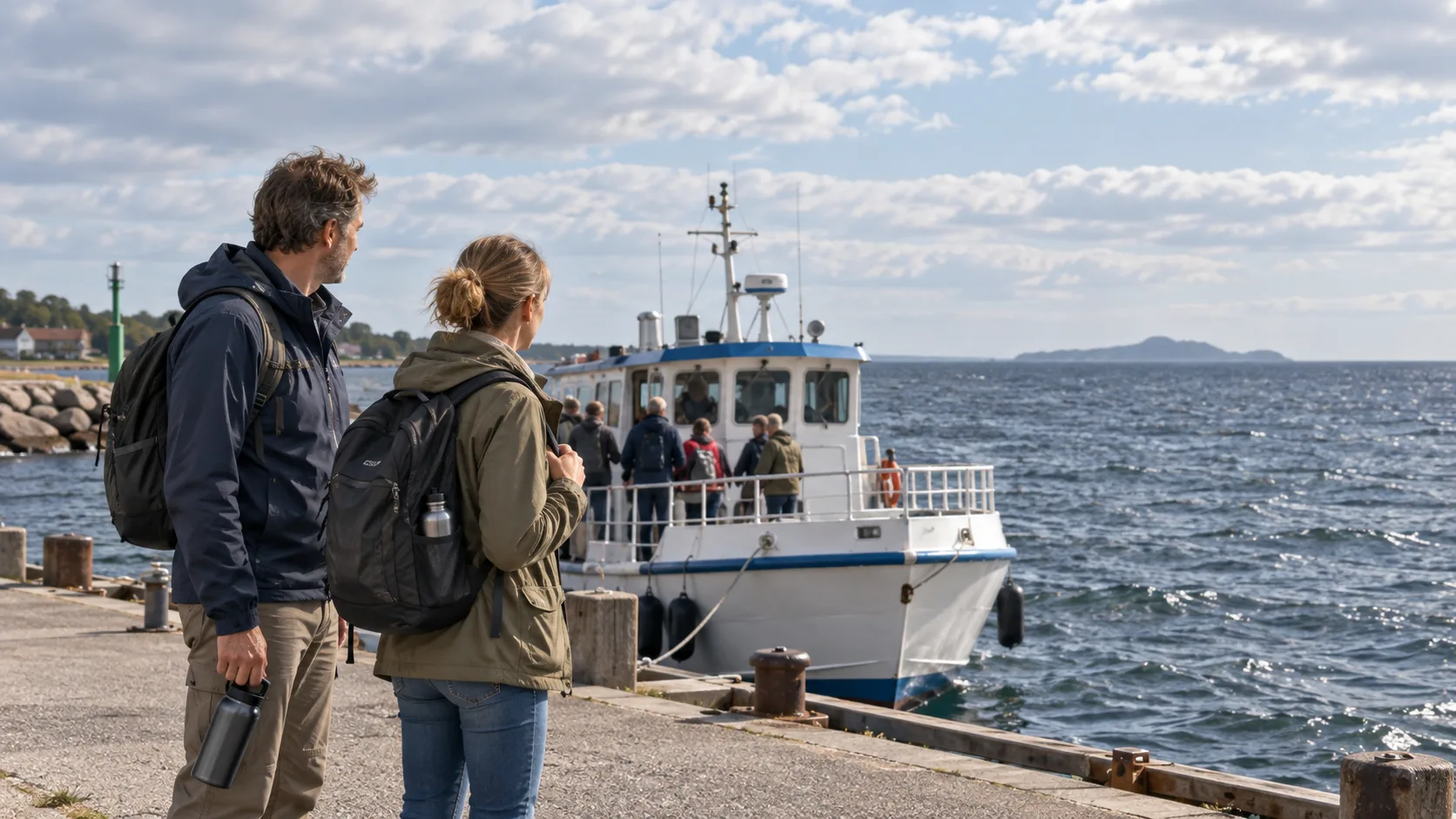
7. Misterhults skärgård and Klintemåla
Misterhults skärgård is the point where a normal coastal road trip and a genuine archipelago journey separate. Länsstyrelsen describes a reserve of around 2,000 islands, islets, skerries and rocks, but also states clearly that there is currently no regular boat service in the northern Misterhult archipelago. Klintemåla is identified as its most accessible harbour.
For most road travellers, a few hours around Klintemåla and the mainland coast is the realistic version. The alternative is a properly planned kayak trip for people with suitable experience, equipment and weather margins. Do not plan imaginary island-hopping from a timetable that does not exist.
Bird and seal protection areas also change what parts of the reserve can be entered at different times of year, so paddlers need the current reserve map and regulations before setting out.
8. Västervik and the Tjust archipelago
Västervik feels more urban than Misterhult without losing the coast. A useful first visit is simple: walk through the old timber centre, continue towards the waterfront and Slottsholmen, then decide whether the archipelago deserves its own half-day. Visit Småland describes around 5,000 islands, cliffs and skerries in the wider Västervik archipelago.
Hasselö is one realistic boat choice, rather than trying to sample several islands. The 2026 timetable ran daily from 6 June to 23 August, followed by Saturday sailings on 29 August, 5 September and 12 September. Checked on 8 September, that leaves one published shoulder-season Saturday trip; the operator also warns that timetable changes can occur and recommends advance booking.
Give Västervik a half-day without a boat and most of a day if Hasselö is included. Outside the visitor-boat season, check current archipelago transport instead of carrying a summer itinerary into autumn.
9. Vimmerby and Astrid Lindgrens Näs
Central Vimmerby and Astrid Lindgrens Näs work best as a literary-history stop, particularly for visitors who know Pippi Longstocking or Emil but know less about the person who wrote them. Näs is Astrid Lindgren’s birthplace and childhood environment, with exhibitions including Astrid Lindgren and the Power of Stories, gardens and the separately guided childhood home.
Allow around three to four hours; Näs itself gives that as a typical visit. The childhood-home tour lasts about 45 minutes, has a maximum of 12 people and is available in Swedish, German and English, although language availability varies by departure. Pre-book if the home is important to you.
One current detail needs checking directly: Näs’s main opening-hours page says 10:00–16:00 from 17 August to 20 September, while its guided-tour page says the site is open until 17:00 during the same period. Astrid Lindgren’s World is a separate theme park with its own ticket and calendar; in late summer 2026 it opens Friday–Sunday rather than every day.
10. Kvill, Kvilleken and the Rumskulla landscape
Kvill is a good final inland stop because the scale drops again. The reserve preserves a small agricultural landscape, and Kvilleken — also called Rumskullaeken — is the obvious focal point. Länsstyrelsen describes a 125-metre accessibility-adapted path to the oak, making this a much shorter nature stop than Blå Jungfrun or an archipelago paddle.
Allow one or two hours. The oak itself is old and fragile, and the surrounding protection is part of the visit rather than an obstacle to it, so follow the current boundary and any temporary advice on site. Kvill also has its own reserve regulations; trail access and practical conditions should be checked against Länsstyrelsen before departure.
This stop suits travellers who want the northern part of Kalmar län to end with cultural landscape and a short walk rather than another full activity day.
Two ways to fit the journey into four or six days
For a southern four-day version, give Kalmar and Stensö the first day, use the second for Nybro/Pukeberg and the slower Mönsterås–Kronobäck–Timmernabben stage, then continue to Oskarshamn. Blå Jungfrun can replace a mainland day only when an actual boat departure can be booked and the conditions cooperate. Trying to make the island mandatory turns a flexible Sweden east coast road trip into a schedule that one windy morning can break.
With six days, continue from Oskarshamn through Klintemåla and Misterhult to Västervik, then turn inland for Vimmerby and Kvill. A boat trip from Västervik should replace other activity time rather than simply being added on top. Caravans and larger motorhomes may also benefit from fewer daily relocations, while a car or campervan makes short town-and-coast combinations easier.
That choice between Blå Jungfrun and a reliable mainland day is also the useful planning distinction in FARON. You can add possible stops before leaving, change the plan when weather intervenes, then keep the places that actually became part of the journey together with photographs and notes in the same private travel archive. FARON is the planning aid and archive here; boat operations, access and protected-area rules still come from their responsible sources.
If the route continues west, you can continue through Kronoberg County. If Öland is the next stage, give it separate days and use FARON’s guides to choose ten distinct stops on Öland or plan a separate Öland road trip rather than folding the island into an already full mainland itinerary.
For a route that matches how much structure you actually enjoy, use the FARON quiz to find the travel rhythm that fits you.
Continuing south, you can choose coastal towns, islands and lakes in Blekinge.
Frequently asked questions
How many days do you need for a trip through Kalmar County?
Four days is enough for a focused southern route, while six days gives you more room for Misterhult, Västervik, Vimmerby and Kvill. Add extra time if either Blå Jungfrun or a Västervik archipelago trip is a priority.
Can you visit Blå Jungfrun as a day trip?
A day trip may be possible during the current boat season, but the timetable, booking, weather and landing conditions must be checked. From Oskarshamn, the crossing takes about 1.5 hours and the published 2026 programme includes limited post-season departures into September.
Which places in Kalmar County work well on a rainy day?
Kalmar Castle, Döderhultarn Museum and the exhibitions at Astrid Lindgrens Näs are the strongest indoor choices in this route. Pukeberg can also work when the visitor-facing parts are confirmed open, while Blå Jungfrun should be reconsidered in poor conditions.
Should Öland be part of the same trip as mainland Kalmar County?
Öland can be combined with this journey, but it deserves separate days rather than being treated as another stop. FARON already has dedicated English guides for both a ten-stop Öland overview and a separate Öland road trip.