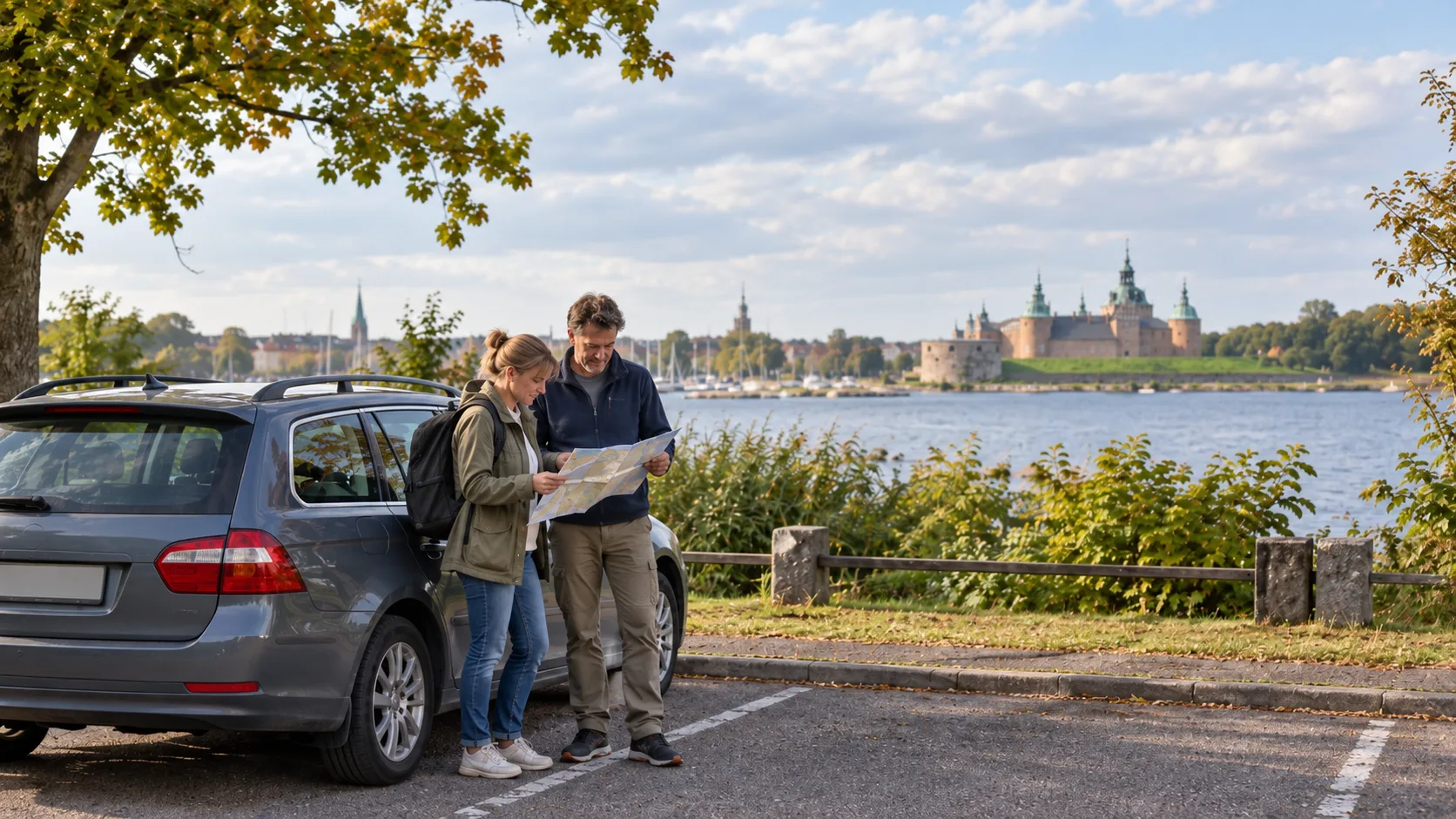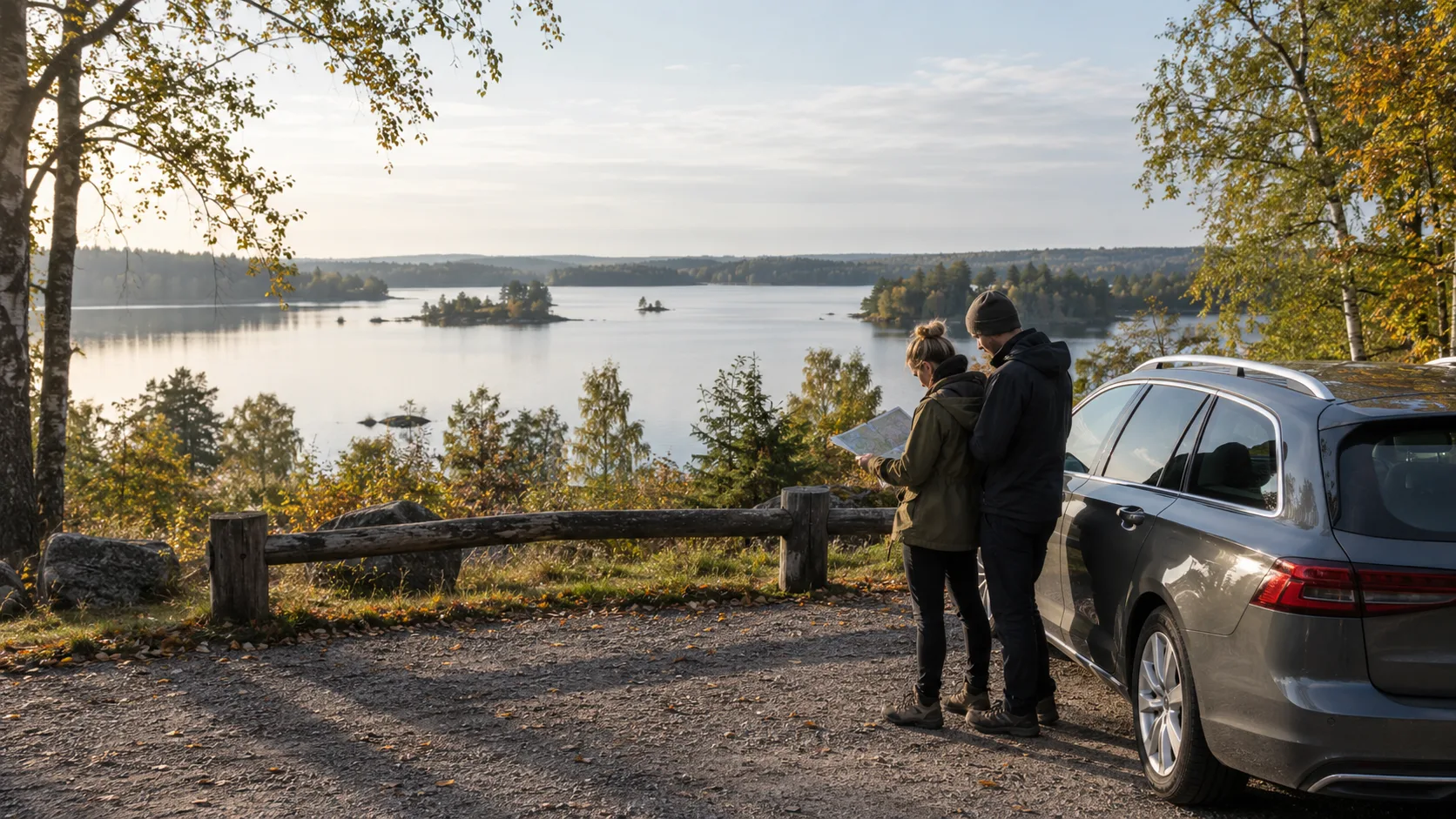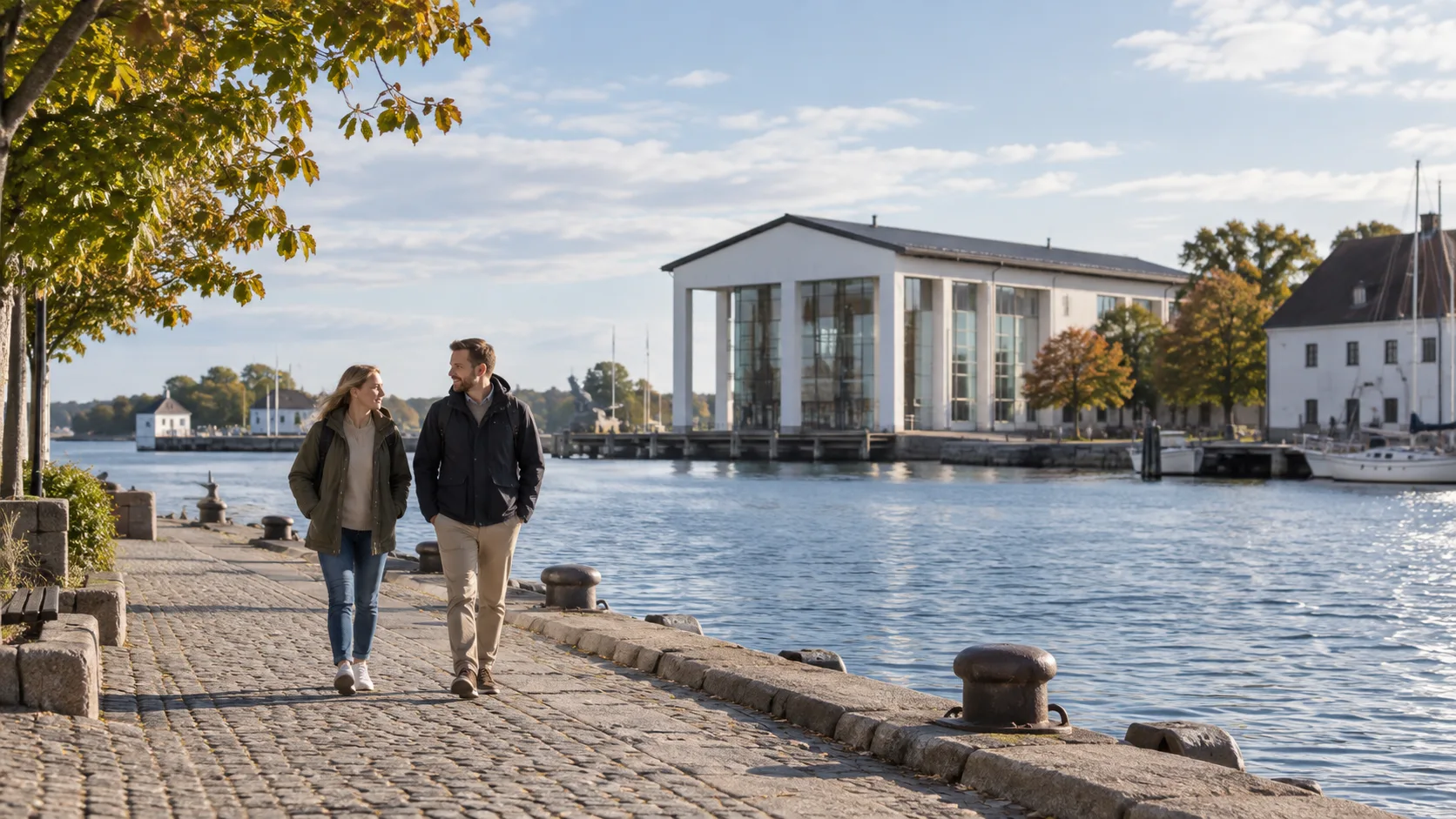
On your first visit to Blekinge, you might be choosing between a day in Karlskrona and a boat trip to Hanö. This corner of southeastern Sweden brings coastal towns, islands and inland lakes into the same journey, but a short drive to a harbour does not remove the wait for a sailing. Decide which kind of day matters most before filling the spaces between stops.
These ten places to visit in Blekinge are a selection for a flexible 3–5-day trip. You do not need to fit all ten into a weekend.
1. Karlskrona and the Naval Museum
Carved figureheads and submarines give the Naval Museum, or Marinmuseum, a clear focus: Sweden’s naval history. Pair it with a walk around Karlskrona’s waterfront, keeping the museum and city together as one substantial stop.
For September 2026, the museum lists daily opening from 10:00 to 16:00, with adult admission at SEK 110 and free entry for ages 0–18. Those hours make a morning arrival more useful than leaving the museum until after a long lunch.
Stumholmen is part of the road-connected city visit; you do not need an excursion boat. There is no public parking on Stumholmen itself, so allow for the walk from parking elsewhere, particularly with a motorhome.
2. Kristianopel and its town walls
The walls explain Kristianopel’s place in the landscape. This coastal settlement was built as a Danish border fortress facing Sweden, and surviving sections still separate its small streets from the Baltic shore.
Walk through the lanes and towards the southern wall, where you can follow a restored section with sea views. The history becomes easier to picture here than from a founding date alone: the decision to build came in 1599, while the town was completed in 1606.
Choose Kristianopel for an outdoor half-day rather than another museum visit. It is especially useful as a coastal stop when your route continues towards Kalmar County.
3. Ronneby Brunnspark
Ronneby’s former spa resort gives Brunnspark its character: timber villas, landscaped gardens, ponds and woodland. Visitors once came here for health and rest; today, the park gives you room to walk without committing to a full hiking day.
Entry to the public park is free. Keep the distinction between the grounds and the businesses or exhibitions within them, which have their own opening arrangements.
Allow a few hours between more structured visits. With tired children or tired legs, you can keep the outing to the gardens instead of making every stop a long walk.
4. Tjärö from Järnavik
Beech woodland, meadows and bare coastal rock give Tjärö a different walking landscape from a town promenade. Drive to Järnavik and continue as a foot passenger; your car or motorhome stays on the mainland.
The operator advertises its 2026 season as 30 April–20 September. Within the published late-season timetable, covering 17 August–20 September, the final Sunday return to Järnavik is at 15:45. Friday and Saturday run later, which matters when deciding whether the island fits after another stop.
Choose both crossings before arranging the rest of that day. These are the operator’s season dates; later visits need separate transport and service arrangements, rather than an assumption that the island itself becomes off-limits.
5. Eriksberg
European bison, deer and wild boar make wildlife the reason to consider Eriksberg. This is a visit to arrange around a guided tour and the operating season.
As checked on 13 September 2026, Eriksberg says its park season has ended. Hotel guests can enquire about guided safaris through reception, subject to availability.
For a September road trip, leave Eriksberg out of the fixed itinerary unless a suitable visit has been confirmed. For a future season, establish the tour and booking arrangements before allocating a day; do not plan around driving through in your own vehicle or buying drop-in admission.
6. Karlshamn and its waterfront
Start among the timber houses and cobbled streets of Karlshamn’s cultural quarters, then continue towards the waterfront. At Utvandrarmonumentet, the figures of Karl Oskar and Kristina recall the town’s role as a departure port for emigrants to America.
The sculpture draws on Vilhelm Moberg’s fictional emigrants: Karl Oskar looks towards the sea, while Kristina looks back. It gives a waterfront walk a specific story to follow, alongside the older streets.
Keep this visit unhurried, especially after a museum morning elsewhere. Karlshamn suits a town walk with pauses, while Mörrum offers a separate riverside stop when you continue west.
In a hypothetical example, a couple touring in a Volvo V70 plan a Hanö outing. When the wind picks up, they postpone the crossing and choose a shorter mainland walk at Halen, keeping spare dry clothes in the car. They can turn back when they have had enough.
7. Mörrum and Laxens Hus
Come for the movement and sound of Mörrumsån around Laxens Hus. After harbours and sea views, the river gives the journey a different pace.
Laxaleden extends for more than 30 kilometres, but you can choose a short section from central Mörrum. The operator describes some stretches as hilly and stony, so use its route information to choose a suitable section and a return point.
Treat Laxens Hus as a starting landmark; check its opening hours separately when you need reception assistance. A riverside walk does not include permission to fish: fishing in Mörrumsån requires a separate permit.
8. Hällevik on Listerlandet
Traditional wooden houses face the harbour’s old stone boat berths in Hällevik, a fishing village on the Listerlandet peninsula. The nearby beach adds a shoreline walk to the village streets, without an island crossing.
This is the mainland stop to choose when you want fishing-village character and time by the water. Leave room for a smoked-fish lunch when the harbour businesses are open.
Hanö’s passenger boats depart from Nogersund. Keep Hällevik as a separate village visit, perhaps after the crossing if the return leaves enough time.
9. Hanö from Nogersund
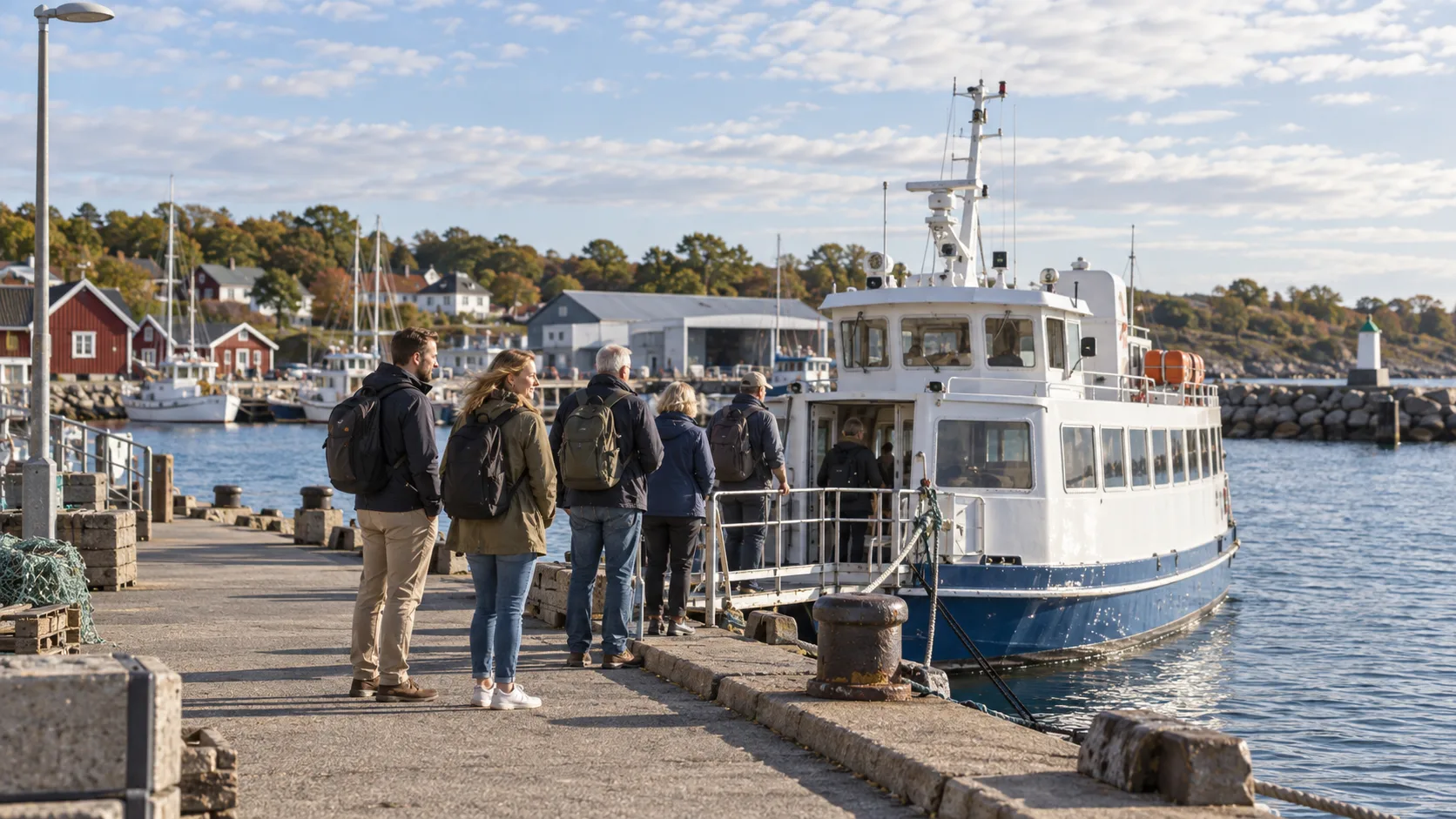
A Hanö day trip begins at Nogersund, with a passenger-boat crossing of approximately 25 minutes. Leave your vehicle on the mainland and build the outing around the departures and return options for your actual travel date.
On the island, marked paths lead towards Fyrkullen’s views and other coastal landmarks. Bönsäcken, a shingle spit reshaped by waves and currents, gives the shoreline a very different appearance from Tjärö’s meadows and wooded sections.
Ticket arrangements change with the season. From 1 September to 31 May, Blekingetrafiken applies its regular bus-and-train fare system, with tickets through its app or a bank-card tap aboard; summer arrangements differ.
Give Hanö space in the itinerary. The crossing may be short, but an island walk and a fixed return sailing deserve more than a gap between mainland stops.
10. Lake Halen
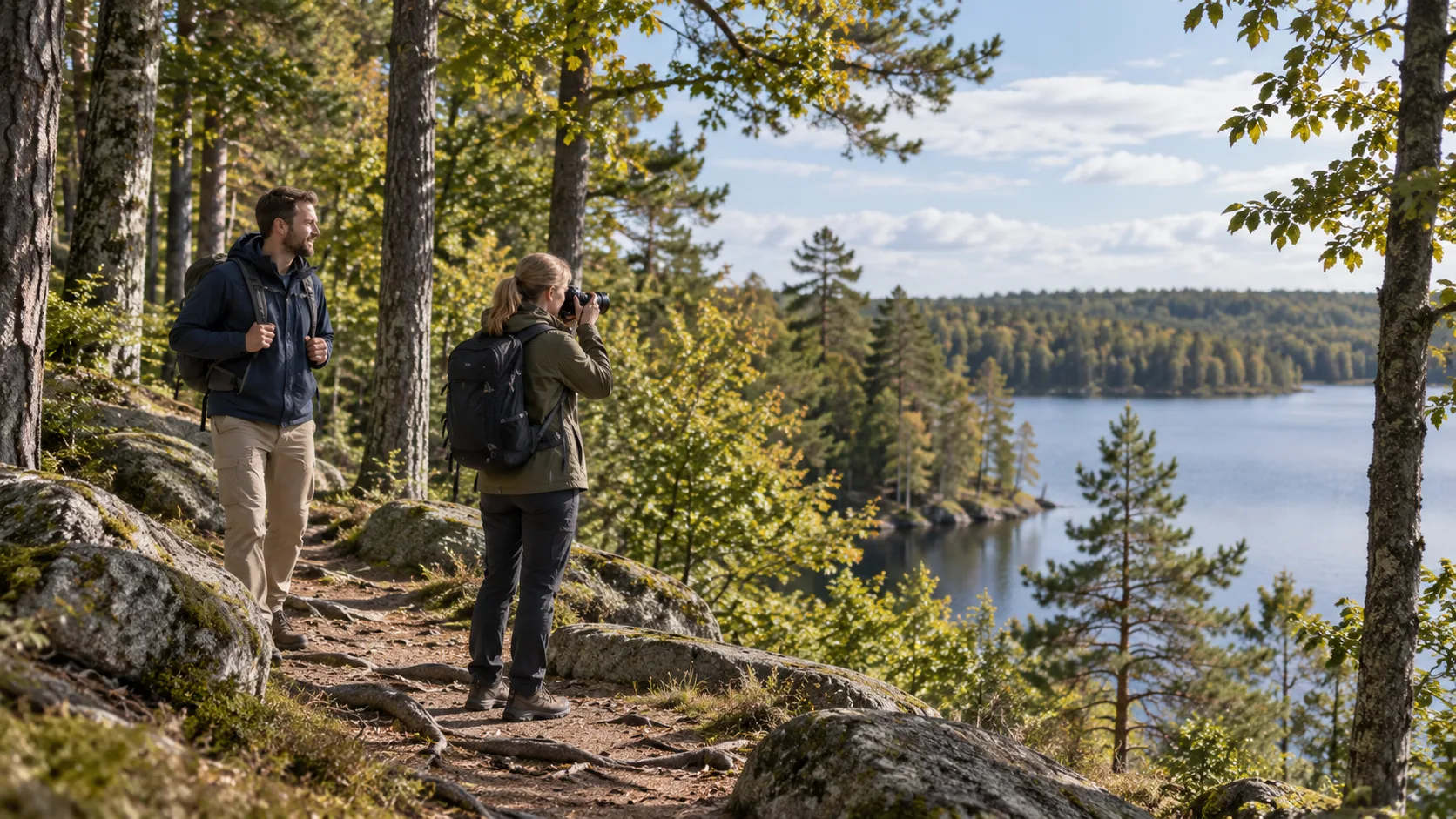
Turn inland towards Olofström for woodland and freshwater. Halen is Blekinge’s largest lake, and its adjoining nature reserve offers walking routes through a landscape of forest and water.
Choose a route from the current local trail information that gives you the amount of walking you want. There is no need to attempt a circuit of the whole lake to make an inland day worthwhile; a shorter walk with time beside the shore provides a clear change from the coast.
Motorhome plans need separate attention here. Within the reserve, motorhomes and caravans may only be parked or stationed in specifically designated places, for no more than 24 hours. A visitor car park should not be treated as permission for overnight camping.
Choose stops for three to five days
Choose a few. Leave gaps. For three days, one workable outline is to give Karlskrona the first day, move through Ronneby to Karlshamn on the second, and spend the third around Mörrum and Hällevik.
An island-focused version can replace that last mainland day with Hanö, provided the date-specific sailings work. With four days, add one island outing instead of squeezing it between towns. With five, leave a day for Halen and more time to adjust to the weather.
Coming from the northeast, Kristianopel can replace a western stop. Use the guide to places to visit in Kalmar County to continue up the coast, or choose inland stops in Kronoberg County for the next part of a southern Sweden itinerary.
The couple in the hypothetical example still want to visit Hanö. They also want to remember the lake walk they actually took, including the photos and the stretch they would return to.
In FARON, they can keep Hanö for a later visit and save their Halen stop, photos and notes in a private travel diary. Their own places and trip records become a personal travel archive, with planning support for the next journey.
Choose places for your next trip.
FAQ
How many days should I spend in Blekinge?
Allow 3–5 days for a selection of mainland stops and an island outing. Three days call for choices; five give you more room for Halen, a boat day and changes of plan.
Can I visit Hanö without my own boat?
Yes, passenger boats connect Nogersund with Hanö, with a crossing of approximately 25 minutes. Check outward and return sailings for your date and leave your car or motorhome on the mainland.
What can I do in Blekinge on a rainy day?
Choose the Naval Museum in Karlskrona for an indoor visit, with figureheads, naval history and the submarine hall. In September 2026 it lists daily opening from 10:00 to 16:00, so plan around the museum schedule.
What changes when visiting Blekinge in September?
Museum schedules, passenger-boat arrangements and seasonal businesses change separately. In September 2026, Marinmuseum has its September hours, Hanö uses the September–May ticket system, and Tjärö advertises its season through 20 September. Eriksberg’s ordinary park season had already ended when checked on 13 September, with hotel-guest guided visits subject to availability.