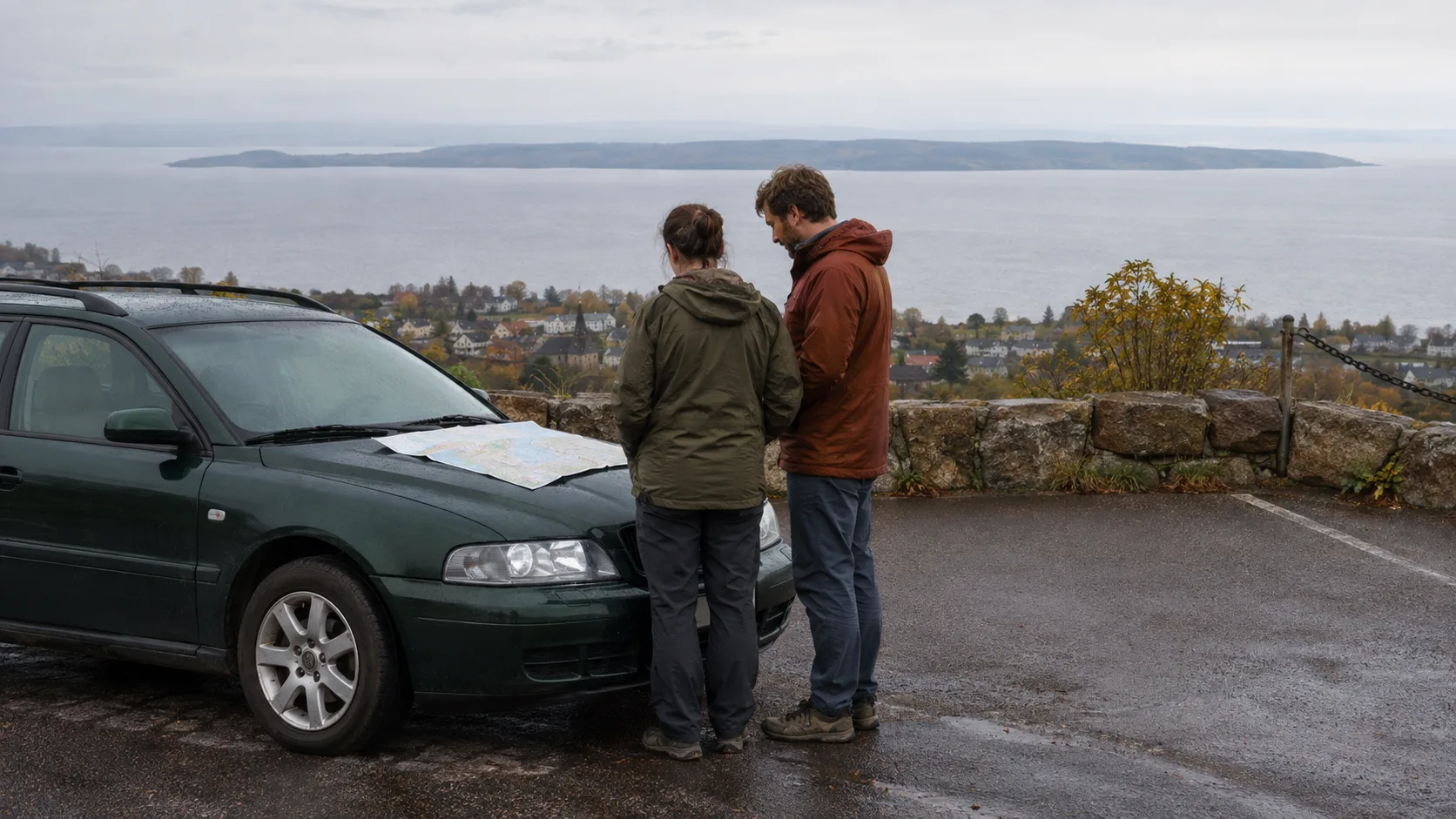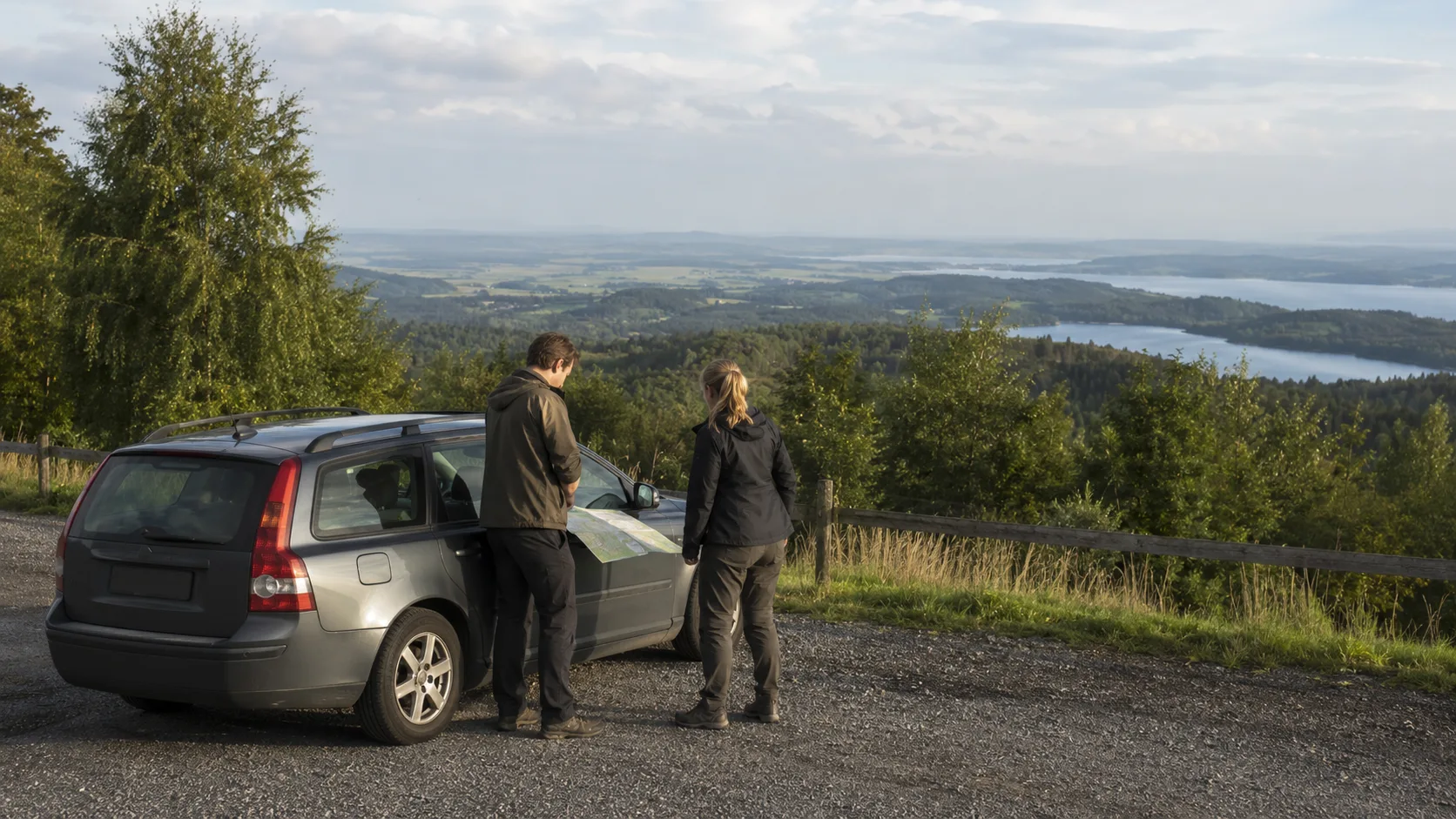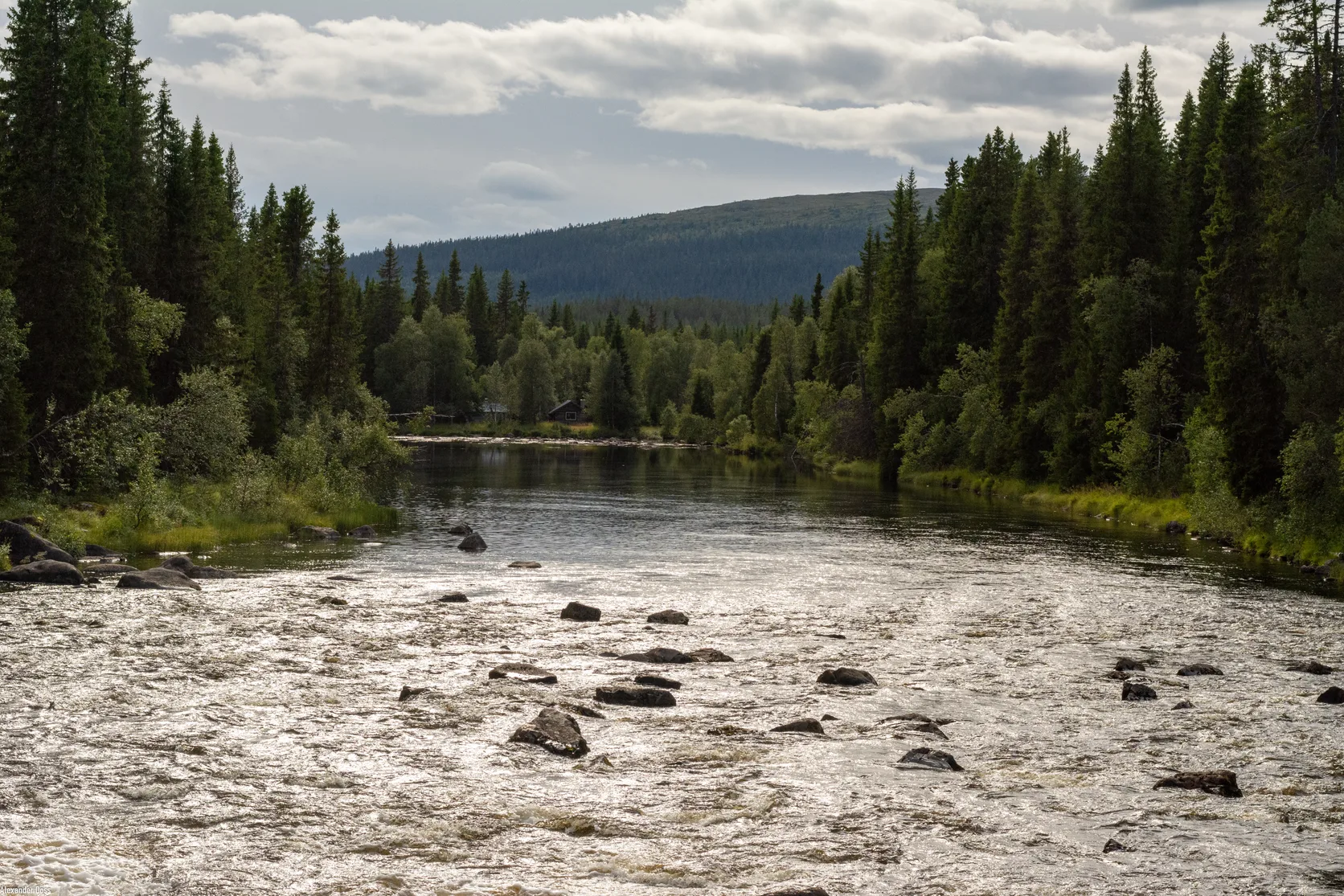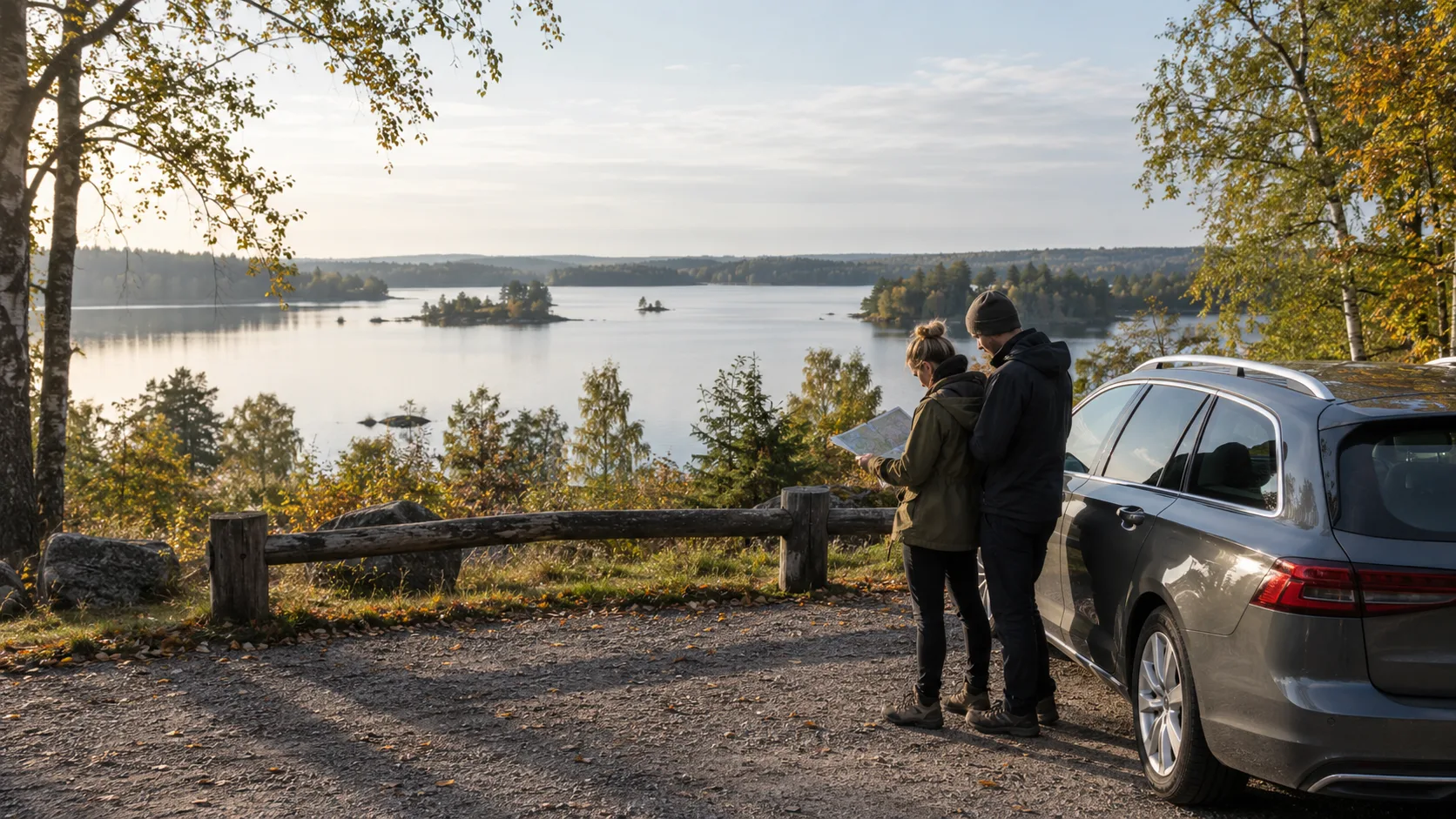
Kronoberg works best when its lakes, glass and small detours set the pace. Use Växjö and Åsnen as the starting points for a 3–5-day journey through southern Småland, choosing between museum time, woodland walks and the western lakes.
1. Central Växjö: glass, local history and Växjösjön
Treat Smålands Museum and the Swedish Glass Museum as one culture stop, then walk beside Växjösjön rather than moving the car between attractions. The collections put local history alongside everyday glass and art glass; the nearby lake gives the afternoon a change of pace.
Allow roughly half a day, with more time indoors when the weather is poor. This suits a mixed-interest group, with time to browse indoors and stretch your legs outside. Check Kulturparken Småland’s current exhibitions and opening days: the museums currently close on Mondays.
2. Kronoberg Nature Reserve and the castle ruins
Beside Helgasjön, combine the castle’s lakeside setting with woodland and pasture in Kronoberg Nature Reserve. The blue-marked Kulturstig Kronoberg is a 2.2 km cultural trail, a manageable choice for visitors who enjoy history alongside a walk.
Keep reserve access separate from castle access. The ruin interior remains closed during work to secure unsafe masonry; do not plan on entering the courtyard or crossing barriers. Check the latest notice from Statens fastighetsverk or Växjö municipality before travelling.
Allow one to two hours for the trail and whatever exterior views are accessible that day.
3. Kosta: watch glass being made
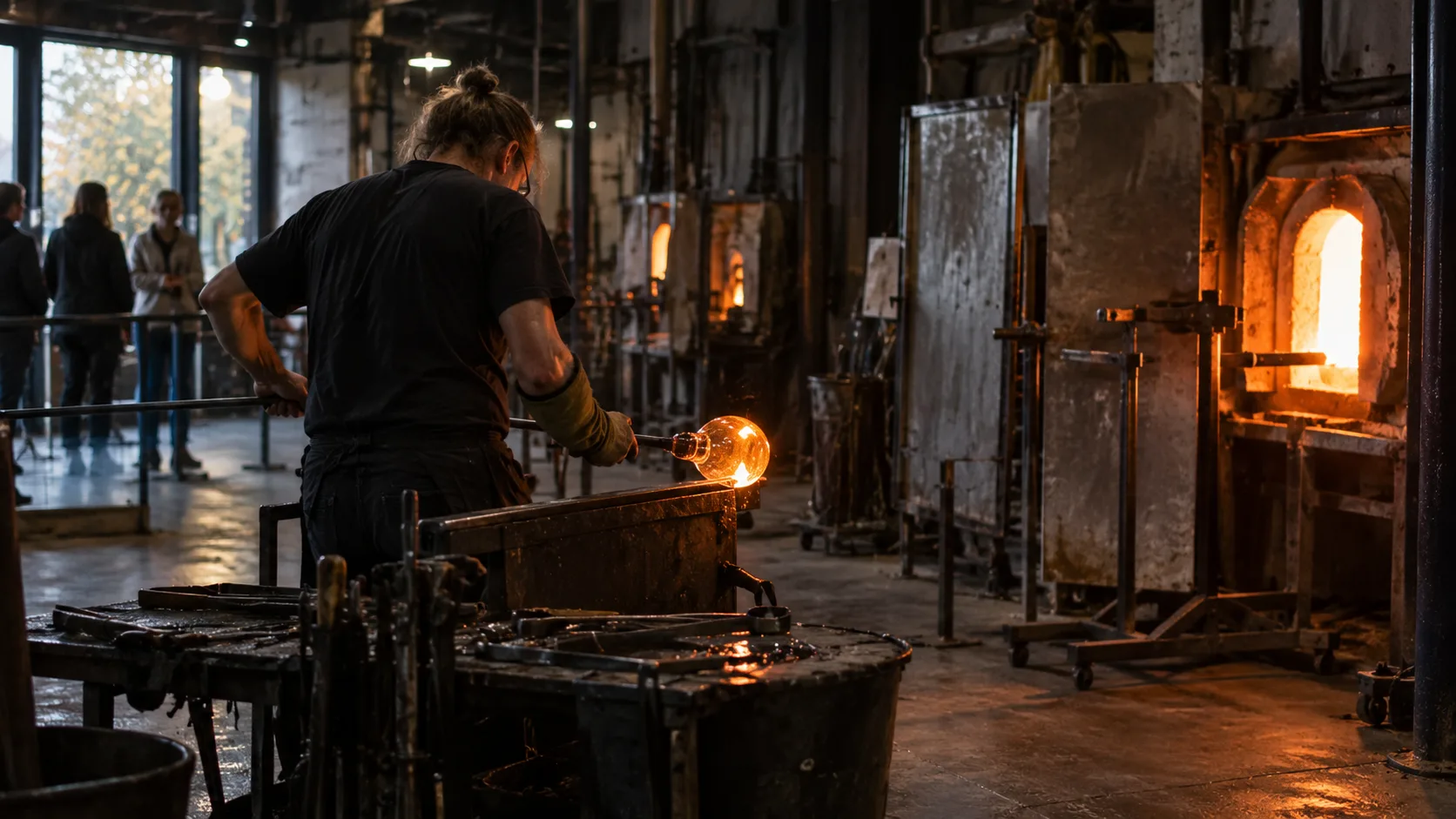
Kosta Glasbruk, founded in 1742, gives the Kingdom of Crystal a working focus. In the visitor-accessible hot shop, production visits and demonstrations show how molten glass is blown and shaped. The gallery adds context to the finished objects.
Visit the hot shop first. Shopping can wait. Watching the work makes the finished glass more interesting than beginning and ending among outlet shelves.
Set aside a couple of hours, or half a day with the gallery and a meal. This stop suits craft and design interests particularly well. Check that day’s production or demonstration schedule and English-language arrangements; shop opening hours alone do not tell you when glassmaking can be seen. To follow the glass route towards the coast, continue through Kalmar County.
4. Huseby Bruk: an industrial estate with a manor
Huseby Bruk brings ironworking, waterpower, estate management and domestic life into the same visit. The industrial buildings and mill explain the working estate, while the manor, ornamental park and kitchen garden show how its owners lived.
Allow two to three hours, longer when a guided manor tour is your priority. It is a useful choice for travellers who enjoy understanding how buildings and landscapes functioned together.
Check the manor programme separately from general opening information. Tours and access to museum buildings follow seasonal schedules, so an open reception does not necessarily mean every interior is available. Build the day around a tour you particularly want to take, leaving the gardens as the more flexible part.
5. Åsnen National Park: one walk from Sunnabron
For a first visit to Åsnen National Park, use the main Sunnabron entrance and walk towards Bjurkärr. Combine the connecting path with the yellow-marked Bokslingan through old beech woodland, then return the same way.
Allow about two hours at an unhurried pace, with extra time for lunch. This gives walkers a focused encounter with protected woodland and the lake landscape without spending the day moving between entrances. Check the current park map and trail notices before setting out.
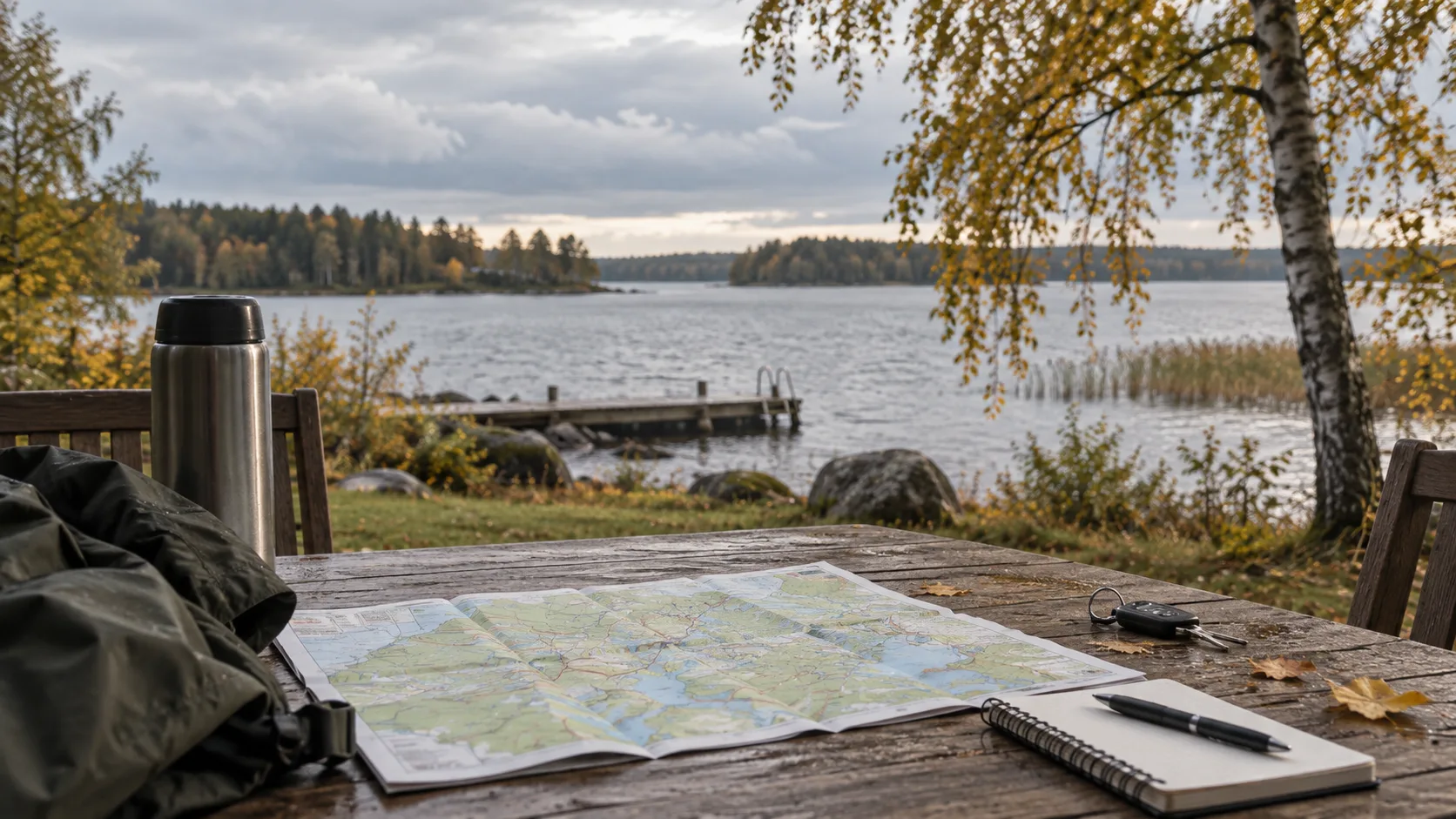
At Sunnabron, a passing shower might send everyone back to the car for jackets while the lake turns grey. Lunch slips later. Keep the woodland walk and drop the extra detour rather than hurrying through both.
6. Sirkövägen and Urshult: leave time between stops
Sirkövägen runs north from Urshult through Åsnen’s linked islands and peninsulas, with water, deciduous woodland and open fields changing places beside the road. Its value is the journey between destinations: let the landscape interrupt the schedule.
Set aside a couple of hours for Urshult and a few planned pauses along the road. Photographers and travellers who prefer being outside to another indoor attraction will appreciate the unhurried afternoon.
For a large motorhome or caravan, identify suitable stopping places beforehand. Check any café or farm-shop opening you intend to rely on, and stop only where permitted. The road is winding and fairly narrow, with cyclists and working vehicles sharing it.
7. Linnés Råshult: gardens and a worked landscape
Carl Linnaeus was born at Råshult in 1707, but the cultural reserve offers more than a biography. Its gardens, small cultivated fields, hay meadows and pollarded trees recreate an agricultural landscape shaped by eighteenth-century practices.
Allow around two hours to see the gardens and walk into the surrounding landscape. This is especially rewarding for people interested in plants, gardening or how rural households used the land. Look beyond the buildings: the relationship between crops, meadow and grazing is central to the visit.
Linnéstugan is scheduled for restoration during autumn 2026 and spring 2027. Confirm current visitor opening, guided-tour arrangements and any building restrictions directly before departure.
8. Älmhult and IKEA Museum: everyday design at scale
IKEA Museum occupies the first IKEA store, opened in Älmhult in 1958. Its exhibitions follow products, business decisions and changing ideas about life at home, giving this stop a modern industrial-history angle after Råshult’s agricultural landscape.
Allow two to three hours, with lunch or a short town walk afterwards. Design enthusiasts can linger; familiar household objects also give less specialist visitors something concrete to recognise.
At the fact-check date, the museum listed daily opening from 10:00 to 18:00 and standard adult admission of SEK 60. Recheck holiday exceptions and the current programme. Nearby construction is changing parking arrangements rapidly, and charges may apply: consult the museum’s latest parking information, especially with a larger vehicle.
9. Ljungby and Sagobygden: a landscape carried in stories
Start in Ljungby at the Museum of Legends, Sagomuseet, to understand Sagobygden as an oral storytelling landscape. Stories passed between people became attached to particular places and were later collected; the museum connects those traditions with the surrounding countryside.
Allow one to two hours. This stop suits listeners, readers and families interested in stories, provided the language arrangements work for them.
Confirm both opening and English storytelling in advance. The published September schedule is much narrower than the summer programme, and English tours depend on arrangements and staff availability. Choose one relevant storytelling site afterwards only when it fits your onward journey, rather than turning Sagobygden into another driving circuit.
10. Lake Bolmen and Bolmsö: finish with an island afternoon
Keep the western end of the trip simple: visit Bolmsö and walk a short out-and-back section of Bolmsö gamla kyrkväg from the church. The old church route follows paths and existing roads; follow its signs, since the municipality warns that the digital line is not entirely precise.
Allow half a day for the island and lake setting. It suits travellers who prefer a walk and a picnic to another timed attraction. Check the weather and any seasonal services you plan to use before leaving.
The Bolmsö–Sunnaryd ferry crosses into neighbouring Jönköping County. Trafikverket gives a crossing time of ten minutes, but allow separately for waiting and loading, and check current departures and disruptions before making it part of your route.
Two ways to spend three to five days
For a three-day Kronoberg County road trip, spend the first day in Växjö and at Kronoberg, the second at Huseby and Sunnabron, and the third at Råshult and IKEA Museum. These are full sightseeing days, excluding travel into and out of the county. A long guided visit may mean shortening the other stop.
For five days, give Kosta its own day at the eastern end before moving west. Follow with Växjö and Kronoberg, then Huseby, Åsnen and a short Sirkövägen detour. Use the fourth day for Råshult and Älmhult, and the fifth for Ljungby and Bolmsö. Swap days around opening schedules; the Åsnen day needs a light Huseby visit to remain comfortable.
With a caravan, consider a booked base and day trips by car. For motorhomes, campervans and rooftop-tent cars, arrange overnight stops separately from sightseeing parking. Continuing west, you can trade the lakes for Halland’s coast and beech forests.
Keep the places you leave out
When three to five days are not enough, remove stops from this trip instead of squeezing every visit shorter. A timed Huseby tour needs a different place in the day from an untimed walk on Bolmsö.
Use FARON as a private travel archive and planning aid: save your selected places before departure, then add the stops you made, photographs and notes afterwards. A note that Huseby took most of the afternoon is useful next time. Start by placing the stops in an upcoming trip, then see which stops actually happened on the map.
For a starting point, find the travel rhythm that suits you.
Frequently asked questions
How many days do you need for a road trip in Kronoberg County?
Three days cover a selective trip around Växjö, Åsnen and Älmhult; five allow a broader journey including Kosta and the western lakes. Add time for longer hikes, guided visits or slower travel days.
Which places in Kronoberg County work well with children?
Växjö’s museum-and-lake combination, IKEA Museum and a suitably short Åsnen walk are useful starting choices. Match the walk to the children’s stamina and check current family activities; for Sagomuseet, confirm the storytelling language.
Do you need to book Huseby Bruk, Linnés Råshult and IKEA Museum in advance?
Check each operator’s current booking information for your date and visit type rather than assuming one rule covers all three. General admission, guided tours and group visits can have different requirements; also confirm opening hours and Råshult’s restoration-related access.
Can you stay overnight in Åsnen National Park or nature reserves in Kronoberg County?
Only where the particular area’s rules permit it: every protected area has its own regulations, so check signs and current authority information. Åsnen has restricted tent-camping provisions, while its visitor car parks are not overnight motorhome stops. Ground-tent permission does not automatically cover a rooftop tent or vehicle stay.