Öland is one of the few Swedish destinations where a top-ten list genuinely helps. The island is long, narrow and naturally divided into northern and southern circuits, so specific stops can shape the route without making it confused. Start at the Öland Bridge, then order the places according to your available days. They are not ranked by prestige, but by whether the detour pays off.
1. Öland Bridge and the first view across the strait
The first stop is technically before the island. From the rest area near the bridgehead on the mainland, you see the full span of the Öland Bridge with Kalmar Castle behind you. It is free, takes five minutes and often produces the photograph that comes to represent the trip. Pause here before crossing; the same overview is harder to find from the island.
2. Borgholm Castle ruin
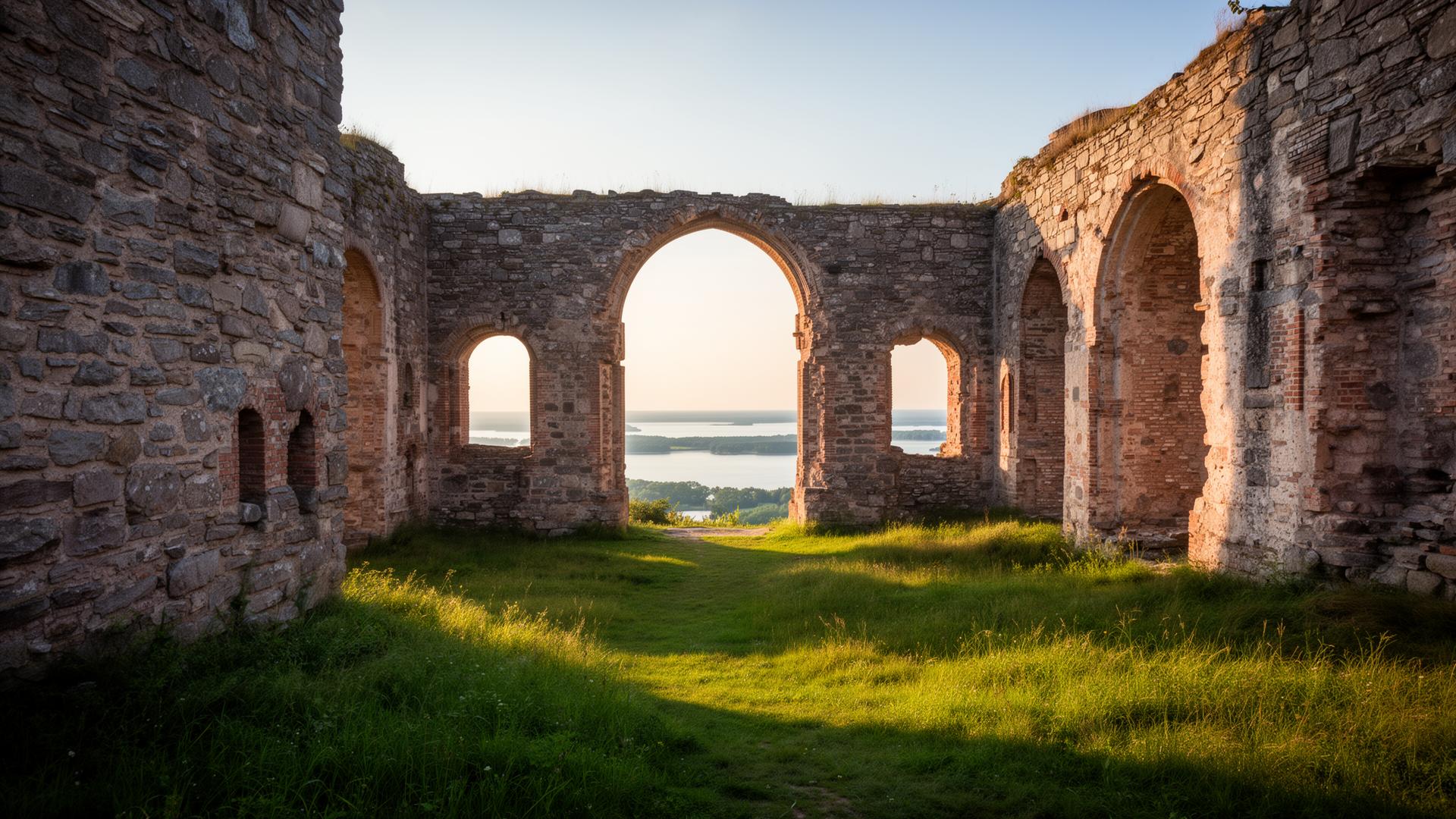
Borgholm Castle is the island's most visited attraction for good reason. The ruin stands high above the coast, offers enough space for an hour's walk and looks across the Kalmar Strait. Parking is close to the entrance. If you only want the exterior, you can walk around the walls without entering the paid area.
3. Solliden Palace and a coffee break
Just south of Borgholm lies Solliden, the Swedish royal family's summer residence. The gardens, greenhouse and café often matter as much as the palace itself. A walk in the park, coffee and a short return to the castle ruin make an easy first half-day.
4. Byrum's sea stacks
North of Löttorp on the western coast, limestone sea stacks rise along the shore at Byrum. The visit takes less than an hour but shows Öland's exposed Baltic character clearly. Parking is available and the walk to the coast is short. Combine it with lunch in Löttorp or Sandvik.
5. Trollskogen at the northern tip
A short walk is enough to understand why Trollskogen is so frequently photographed. Centuries of wind have twisted the pines, and the main loop is a little over four kilometres at an easy pace. The car park accommodates motorhomes and rooftop-tent vehicles, making this a practical lunch stop before Byxelkrok.
6. Byxelkrok and the northern end
Byxelkrok is the harbour that marks the northern end in practical terms. A seasonal ferry links it with Oskarshamn, and the village itself takes about 15 minutes to cross on foot. Stop for fish, ice cream and a final look over the Kalmar Strait before turning south. Motorhome places near the harbour fill quickly in July.
7. Färjestaden harbour and Möllstorp beach
Back near the bridge, Färjestaden provides fuel, food, a pharmacy and a harbour walk. Nearby Möllstorp beach is an easy swimming stop, particularly with children. It is not a destination in itself, but it breaks up the otherwise long opening stretch of the southern circuit.
8. The Great Alvar
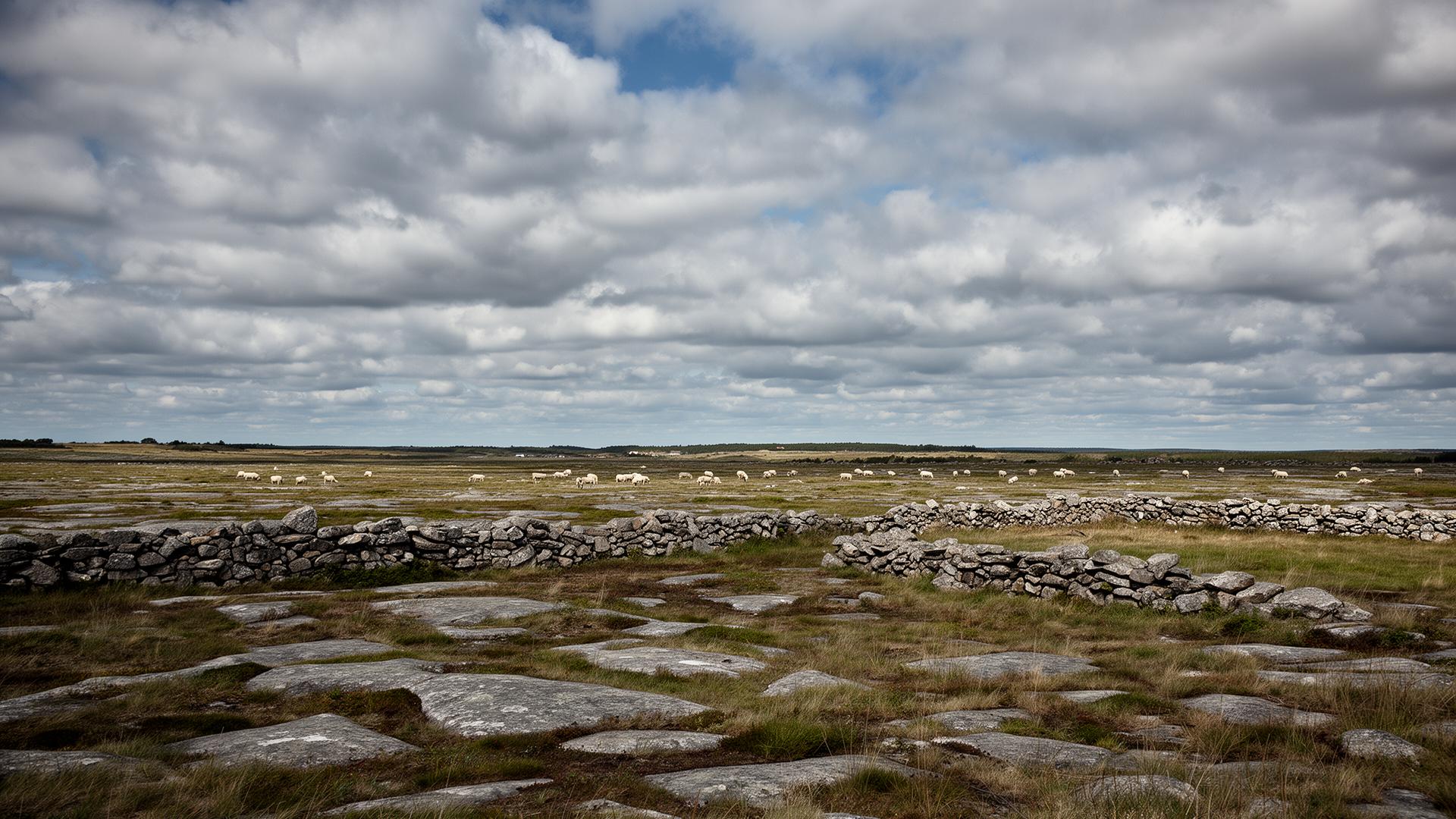
The Great Alvar forms part of southern Öland's UNESCO-listed agricultural landscape and is easy to misunderstand from a moving car. At 90 km/h it resembles a dry field. Stop near Mysinge or Resmo and walk 100 metres: thin soil over limestone, orchids in June and grazing sheep change the impression. Carry water. Shade is scarce and the wind is constant.
9. Eketorp Fort
Eketorp is a reconstructed ancient fort and works equally well with or without children. Summer opening includes guided activities, and one hour is enough for a useful visit. It is also a natural break between Mörbylånga and Ottenby when the southern circuit is spread over two days.
10. Långe Jan and Ottenby
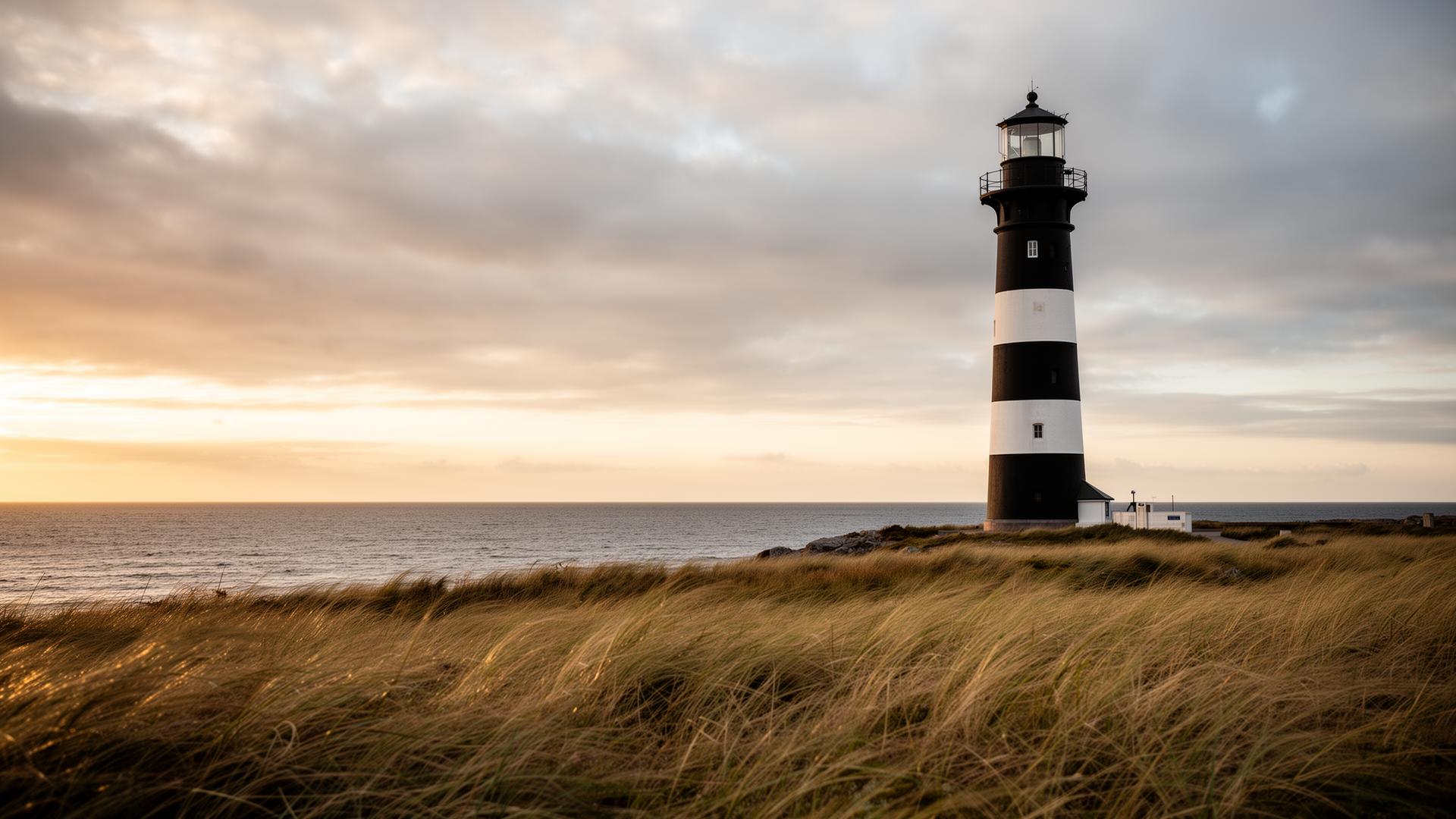
Långe Jan stands at the southern end of the island and is one of Sweden's tallest lighthouses. Seasonal opening allows visitors to climb it, but the place is worth the drive even when you stay on the ground. Ottenby is also one of Sweden's most important birdwatching areas, so keep binoculars in the vehicle. The final ten kilometres often take longer than the map suggests because small bays invite detours.
Arrange the stops by available time
A common plan gives two days to the north (stops 1–6) and two to the south (7–10), with bases around Borgholm and Mörbylånga. In three days, prioritise the bridge, Borgholm, one northern coast stop, the Great Alvar and Långe Jan. A long weekend is intensive; a full week leaves room to stay still for a day.
For motorhomes and rooftop tents, wind is the biggest variable. A place that looks perfect over an evening coffee can be uncomfortable by midnight when exposed to the sea. Check the forecast, site signs and local conditions before choosing the night.
Save your own top stops
This list is only a starting point. Your useful list emerges after the journey, once you know which car park at Byrum worked for your vehicle or which evening on the alvar deserves a return. In FARON, log trips and overnight stays to build a private map of the stops you want to remember.
When the family plans Öland again, you have a concrete reference instead of a vague feeling. Your trip map shows how the northern and southern stops connected and lets you compare journeys over several years.
FAQ
Which Öland stops should I choose if I only have one day?
Borgholm Castle and Långe Jan show the island's northern and southern character most clearly. It involves substantial driving; add a short walk on the Great Alvar if time allows.
Which Öland stops work well with children?
Eketorp Fort, Solliden, Möllstorp beach and Trollskogen combine manageable visits, nearby parking, nature, history and swimming. Långe Jan can be a highlight for children comfortable with the stairs.
Is it worth visiting both northern and southern Öland?
Yes, if you have at least three days. The north has more forest and shingle shore; the south is open and defined by the alvar and Långe Jan. They are distinct but complementary.
Which month is best for a tour of Öland?
June often balances flowers on the alvar, open attractions and manageable traffic. July is the busiest month. August and September are quieter choices if you do not need every seasonal kiosk to be open.