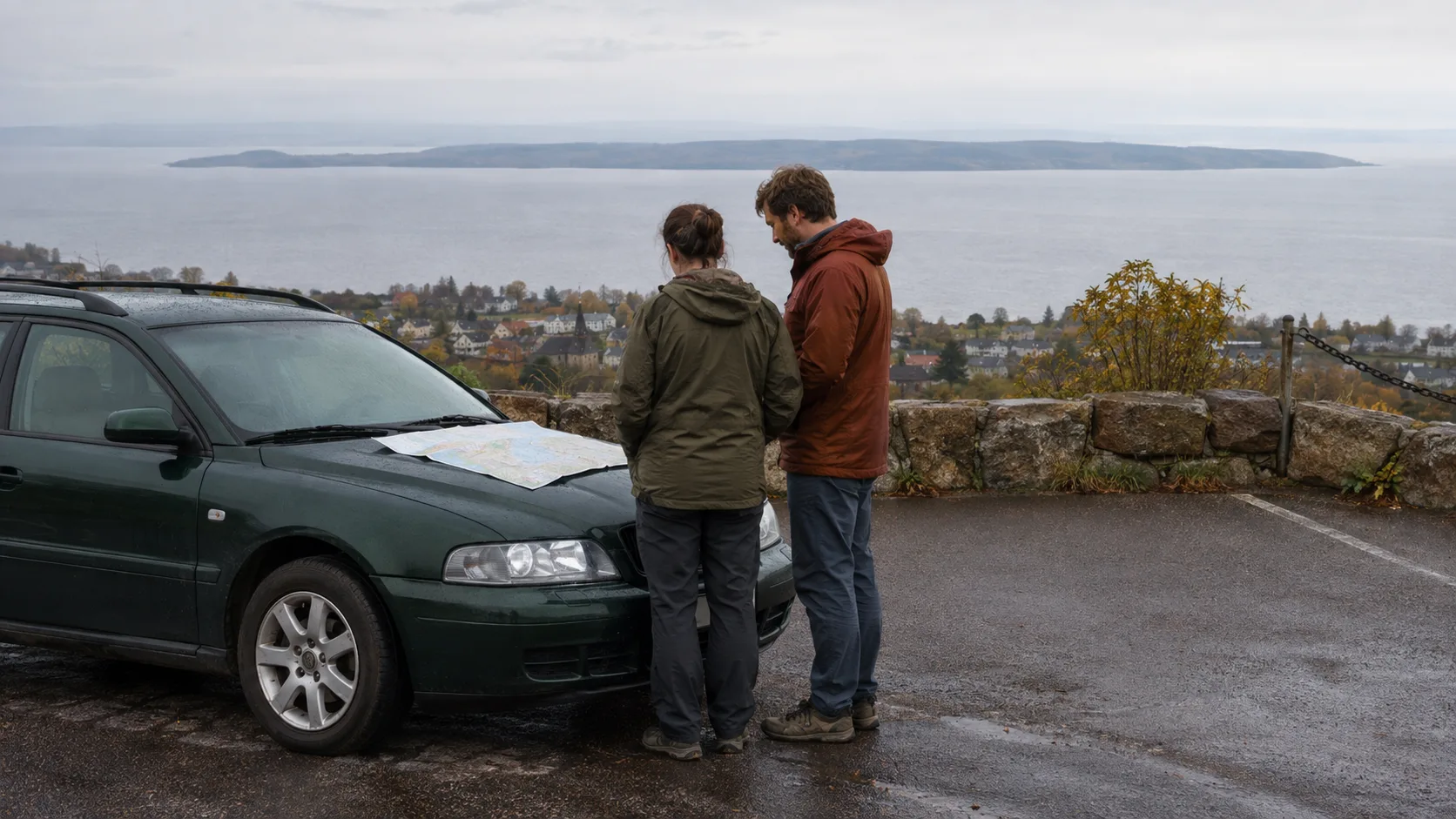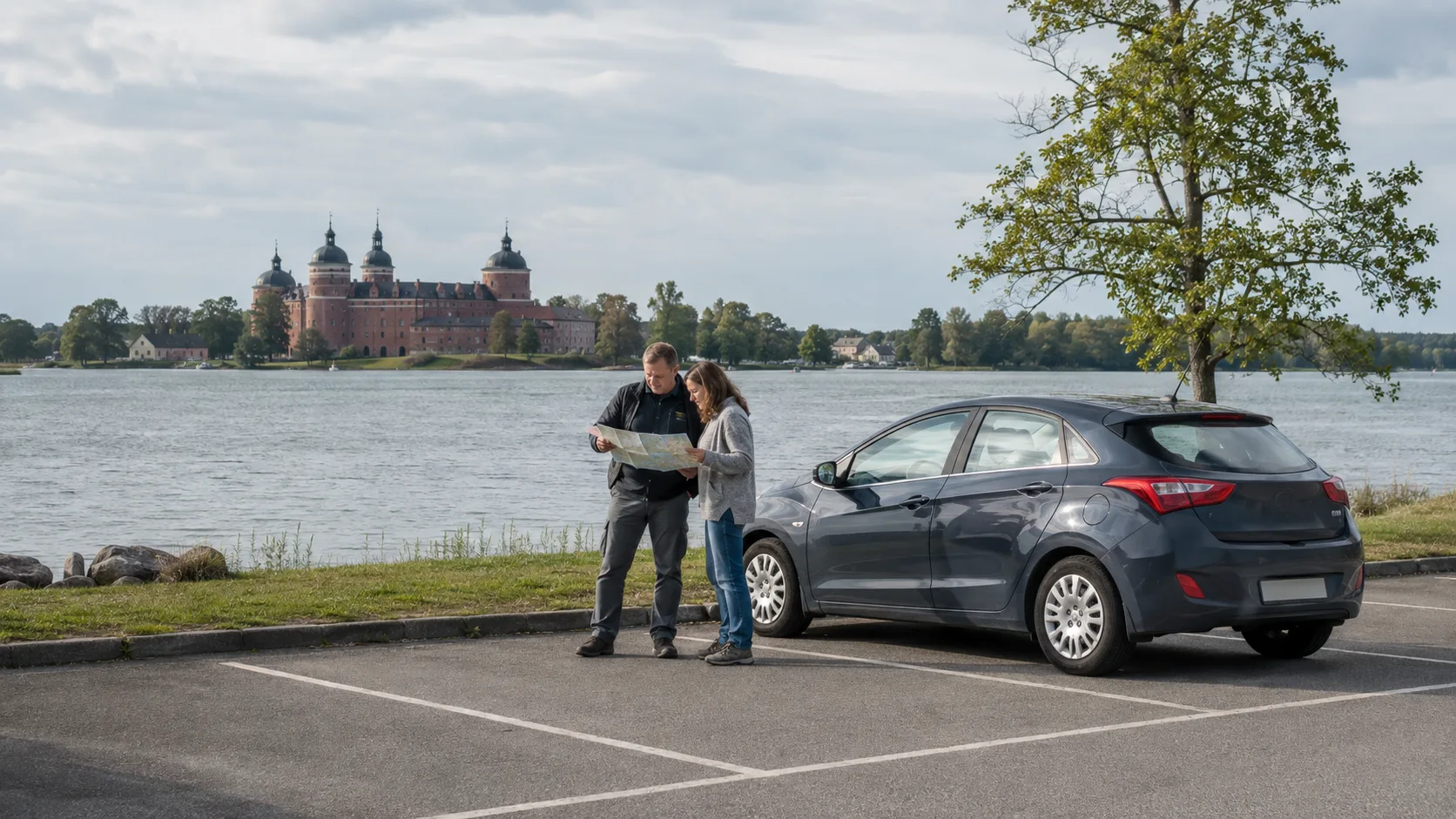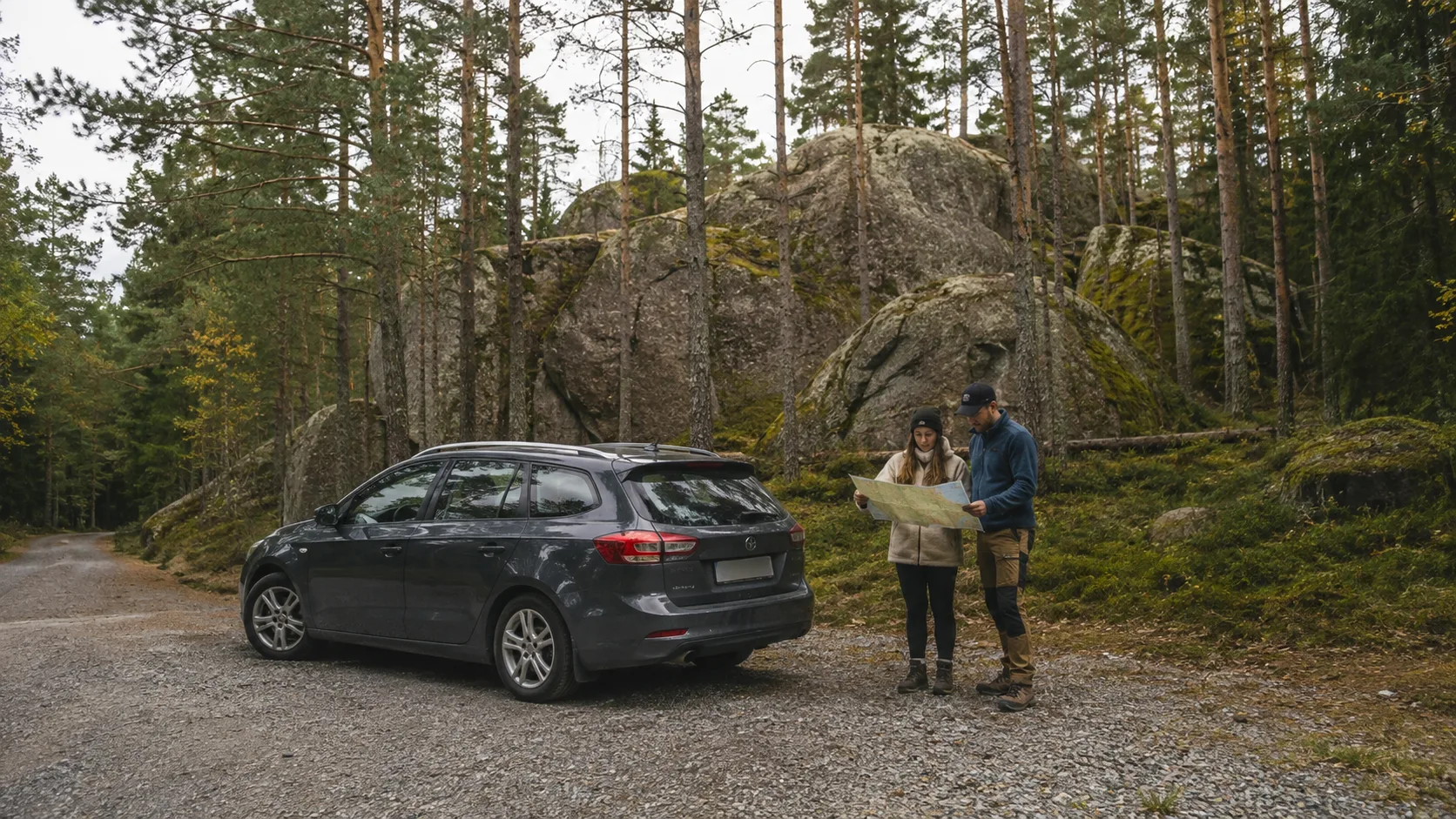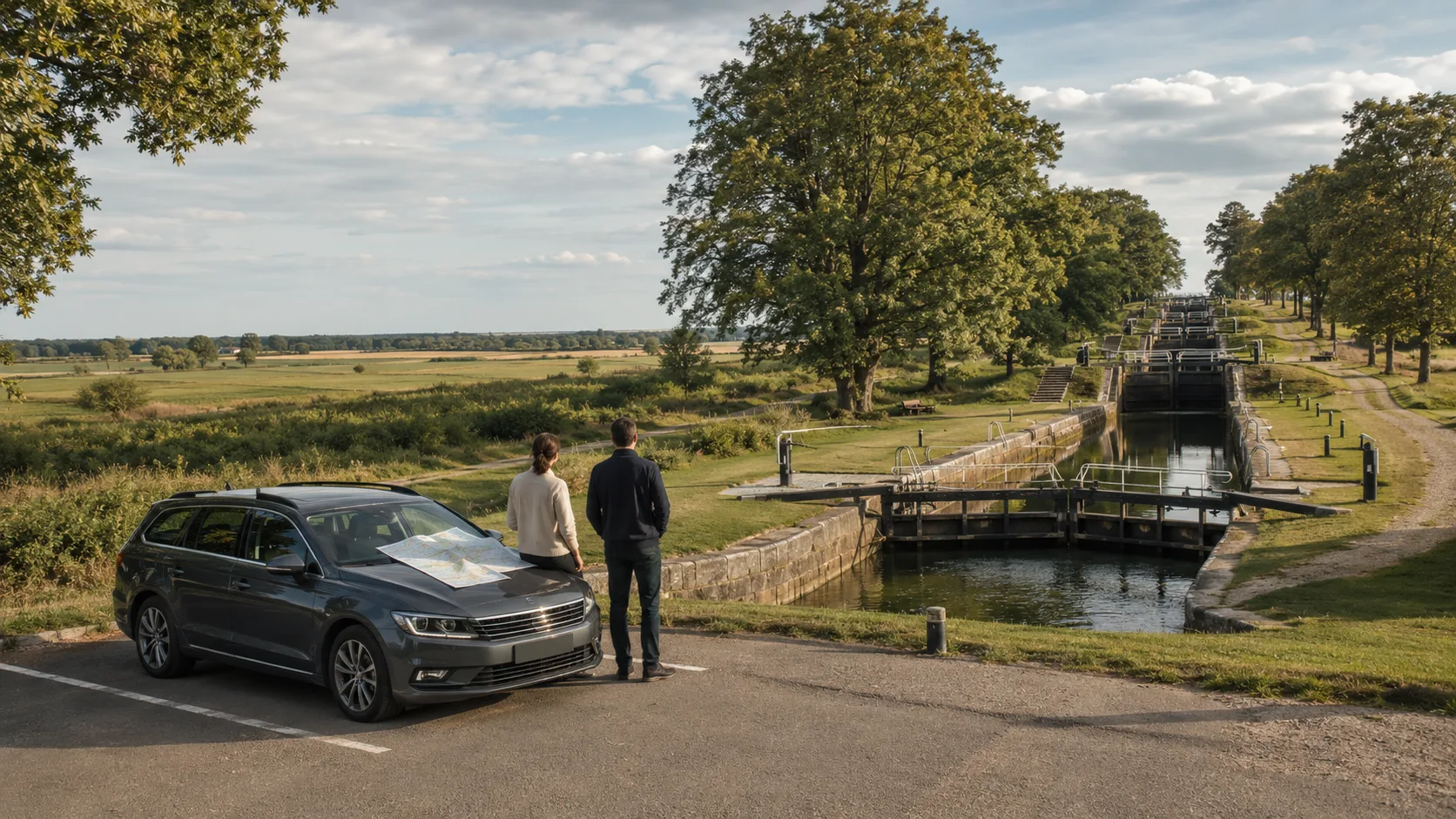
Östergötland works best when you choose one coast. Vadstena and Omberg pull you towards Lake Vättern, Berg follows the slower rhythm of Göta kanal, while Arkösund opens the journey towards the Baltic Sea. These ten places to visit in Östergötland are therefore choices, not a demand to fit all ten into one trip.
1. Linköping Cathedral and Gamla Linköping
Start with two versions of Linköping's history rather than treating the city as one historical attraction. Linköping Cathedral stands in the living city centre, a medieval church that has dominated the skyline for centuries; the building is 110 metres long and its present tower reaches 107 metres. Check current visiting hours and the event calendar if going inside is part of your plan.
Gamla Linköping is different. It is an open-air museum about an older urban environment, about 2 km west of the centre. The museum grounds are freely accessible year-round, while shops, exhibitions and activities keep their own seasonal hours. Allow a few hours if you want both places without turning Linköping into a museum marathon; families may naturally spend longer in Gamla Linköping.
2. Berg Locks and Göta Canal
Berg is the concentrated version of a Göta Canal road trip: locks, moving boats and an easy stretch of canal to follow on foot or by bicycle. The lock area includes a staircase and two double locks, and the Carl Johan staircase handles an 18.8-metre difference in water level.
A boat enters. The gates close. For the next several minutes, people who were walking past tend to stop and watch the water level change. A normal lockage takes roughly 7–10 minutes, but the whole sequence through a lock staircase can take about an hour.
If watching boats is the reason for your visit, mid-June to mid-August is the useful high-season reference: Göta Canal lists regular lock operation from 09:00 to 18:00. At other times, the canal setting can be the walk itself; check current traffic if seeing boats is essential.
3. Motala and Varamobaden
Motala changes the scale again. Göta kanal meets Lake Vättern here, so this stop is less about standing beside a lock staircase and more about combining a small city with one of Sweden's largest lakes.
Varamobaden gives the clearest sense of the water. The long sandy shore has an asphalt promenade and accessible approaches towards the beach, but swimming conditions, weather, services and practical vehicle access should still be checked when you travel.
Give Motala half a day if Vättern is mainly a scenic stop, or longer if you want time by the water. It suits travellers who need a slower afternoon after several historical stops, especially on a route continuing towards Vadstena.
4. Vadstena, the abbey town and castle
Vadstena is compact enough to explore on foot but carries several different layers of Swedish history. The abbey church and streets around the old centre connect the town with Saint Bridget, while Vadstena Castle introduces a very different 16th-century royal and military setting beside Lake Vättern.
Decide whether you want a walk around the castle or a visit inside. Check current opening hours and book your preferred guided tour before building the day around it.
Two or three hours is enough for a useful town walk; allow closer to half a day if the castle interior matters. Vadstena works particularly well for history without the scale or traffic of a larger city.
5. Omberg
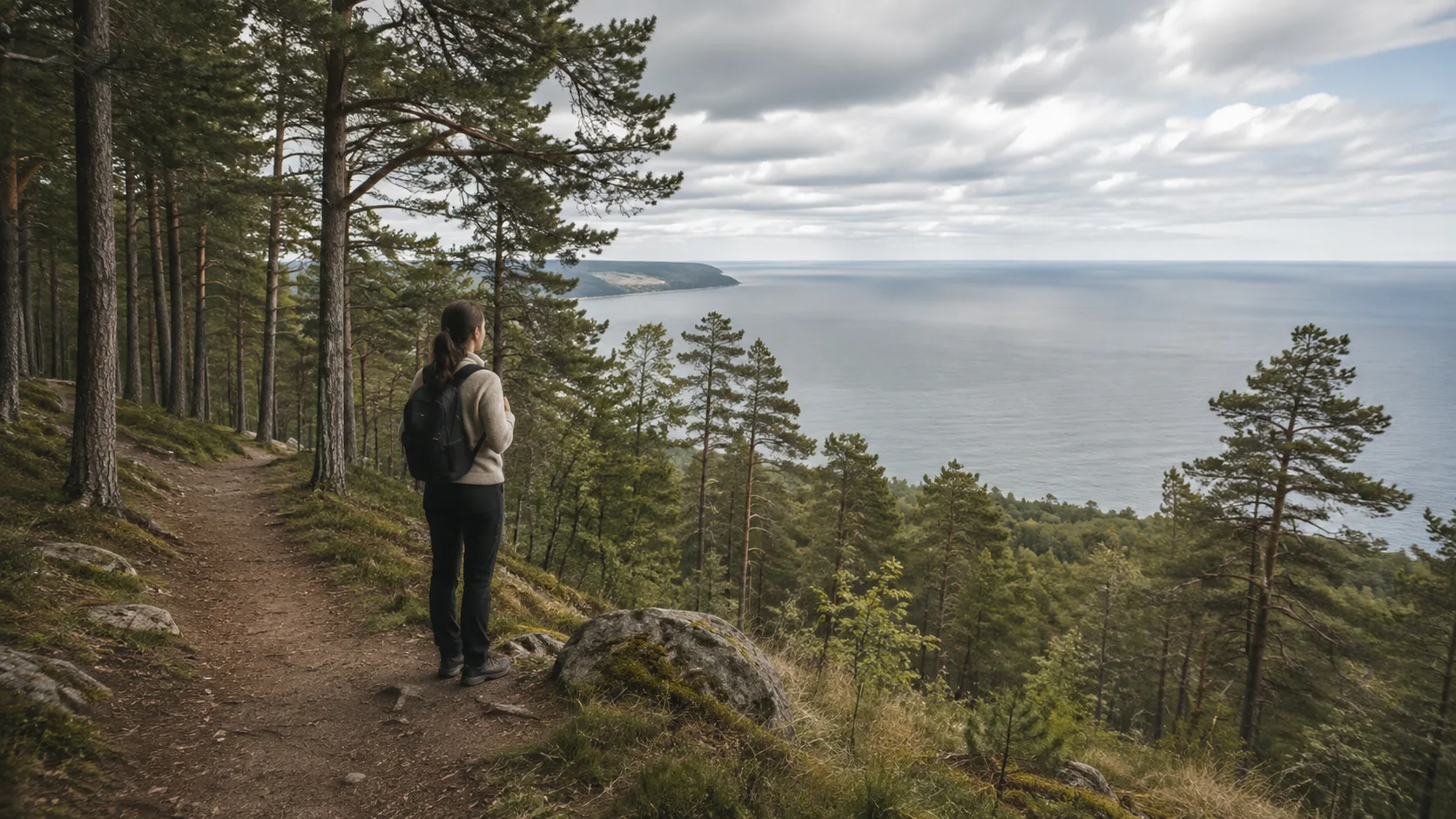
Omberg is where the trip gains height. Forest replaces the open Östergötland plain, paths climb towards viewpoints over Vättern, and the sensible choice is one walk rather than trying to collect every named trail.
Choose a short or medium route only after checking the current trail information, weather and the regulations for the specific reserve you will enter. Omberg contains several nature reserves alongside Sveaskog's wider Ekopark, and the rules are not identical between them. Ombergs bokskog, for example, prohibits camping and fires within that reserve.
For a road trip, two to four hours on the mountain usually gives the day enough breathing room. Good shoes and a flexible plan matter more than squeezing another attraction into the afternoon.
6. Lake Tåkern and Glänås
At Glänås, choose the walk around your group's energy before leaving the car park. Princess Estelle's fairy-tale trail is about 700 metres long and adapted for pushchairs and wheelchairs. The roughly 4 km Vassleden is the choice when you want to give the reeds and birdlife more of the day.
I would choose the fairy-tale trail for a short family stop and Vassleden when the walk is the day's main activity. Bring a snack. Pause at the tower. Driving all the way to Tåkern does not oblige you to take the longer trail.
Naturum's trail information describes surfaces and accessibility for each option. The short Strandpromenaden is another choice; use the on-site trail map for its route and distance. The visitor centre's opening hours determine whether you can go inside, while a walk in the visitor area can be a visit in its own right.
The reserve's access restriction from 1 April to 30 June applies outside the exempt visitor areas and marked trails. Stay within those areas and read the current information before visiting.
7. Norrköping's Industrial Landscape and Motala ström
Do not approach Norrköping as Linköping with different buildings. Its strongest historical thread is industrial: water power, textile production and large brick factories gathered around Motala ström.
The Industrial Landscape works particularly well as an urban walk because the old production buildings now contain a mixture of museums, university premises, cultural venues, cafés and other uses. The point is the district itself and its relationship with the river, rather than ticking off every institution inside it.
Short. Urban. Walkable. But give it at least a couple of hours, because the industrial architecture makes more sense when you follow the water rather than moving between isolated addresses.
8. Söderköping, the canal harbour and Ramunderberget
Söderköping compresses the canal into a small-town stop. Walk beside Göta kanal, watch the lock area and continue through the older streets before deciding whether the day needs a climb.
Ramunderberget is optional, and the town walk should not be confused with the climb. The direct route from the canal involves 318 steps to the viewpoint; the reserve also contains other paths, including routes accessed from the Petersburg side. The mountain rises around 70 metres above sea level.
Allow a couple of hours for Söderköping itself and add time separately for the hill. This is one of the easier places to trim from a busy day: coffee and canal can be short; Ramunderberget can wait.
9. Arkösund and the Östergötland archipelago
Arkösund changes the journey from inland water to Baltic coast. Treat it as a gateway, not as a promise that a particular island or boat excursion will fit your date.
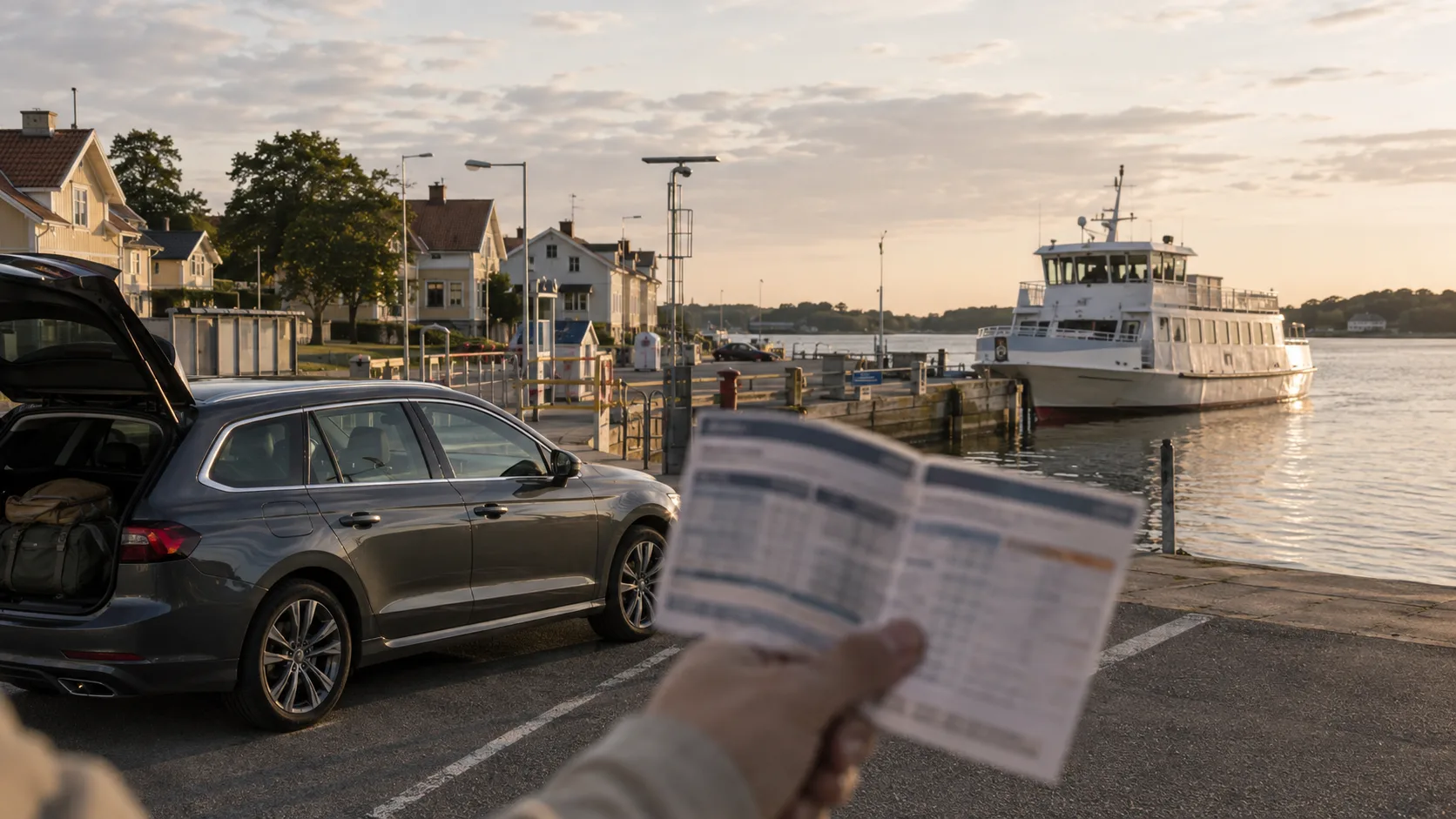
The Östergötland archipelago includes the Arkösund, S:t Anna and Gryt areas and can be approached by road, public transport, your own boat or seasonal boat services. What works on a July morning may not work on a weekday in another season, so check Östgötatrafiken, current boat timetables and the weather before making an island part of the day's plan.
Arkösund still works when the boat does not. Use it as a coastal stop, leave margin for weather, and resist turning a five-day road trip into a timetable exercise.
10. Kinda Canal and Rimforsa
Kinda kanal is the alternative for travellers who like the canal idea but want a quieter southern rhythm. The waterway stretches roughly 80 km through lakes and canal sections south of Linköping, and its 15 locks in nine lock areas are still hand-operated.
Rimforsa makes a practical anchor for this part of the county, but there is no need to turn Kinda kanal into an exact end-to-end itinerary. Choose a lake, a lock area or a short walk and let the route remain loose.
Lock opening periods also change through the season. In 2026, pre-season operation requires advance arrangements on many dates, while the main summer period has daily lock operation. Check the canal company before travelling if watching or using the locks is central to the day.
Choose a shorter day when time runs out
With only an afternoon left, I would choose a walk in Vadstena or the fairy-tale trail at Glänås. A town visit and the 4 km Vassleden need more room, especially if a castle tour is also planned. Keep the visit you most want to make and save the other for tomorrow.
Three ways to shape a 3–5 day Östergötland road trip
For three days, keep to the Lake Vättern side: begin around Linköping, move west towards Motala and Vadstena, then choose either Omberg for forest and elevation or Tåkern for birdlife and wetlands. Linköping–Vadstena is listed at about 51 km, so this version avoids spending the whole trip relocating.
With four days, a city-and-canal route is easier to balance: Linköping, Berg, Norrköping and Söderköping give you medieval history, working canal infrastructure, industrial heritage and a smaller canal town without forcing in the opposite coast. Linköping and Norrköping are roughly 43 km apart, while Norrköping and Söderköping are around 17 km.
With five days, add one larger change of rhythm. Continue east to Arkösund if the weather and boat timetables make the Baltic coast worthwhile, or turn south towards Rimforsa and Kinda kanal for lakes, smaller roads and slower canal stops. If your next journey continues north, you can continue through Södermanland; heading west instead, compare it with a journey through Örebro County.
Keep the plan flexible enough to change
A booked castle tour in Vadstena and a walk on Omberg create different kinds of commitment. The castle may give you a fixed starting time; the mountain may need to move because wind, rain or trail conditions changed that morning.
That difference is worth saving. Before the trip, FARON can hold the places you actually selected rather than every possibility in this list; you can place those stops in an upcoming trip. Afterwards, the useful record is what really happened: actual driving time, the stop you dropped, photographs from Tåkern, the road into Omberg and the place you would give more time next year. FARON keeps that as a private travel archive and planning aid, and you can later see which stops actually happened on the map.
If you are still deciding whether your version of Östergötland should favour towns, walking, canals or slower travel, find the travel rhythm that suits you.
Frequently asked questions
How many days do you need for a road trip in Östergötland?
Three days is enough for one coherent part of Östergötland, while four or five days gives you room to combine more contrasting areas. Trying to include Lake Vättern, both cities, Göta kanal and the Baltic archipelago in three days would leave little margin for actual visits.
Which places in Östergötland work well with children?
Gamla Linköping, Berg Locks, Varamobaden and the Glänås visitor area at Tåkern are among the easier stops to adapt for families. Check current activity hours, weather, swimming information and accessibility before travelling rather than assuming every facility operates every day.
When is the best time to visit Göta Canal, Omberg and Tåkern?
There is no single permanent best period because the three places depend on different conditions. Check current Göta Canal opening and lock operations, Omberg weather and trail information, and Tåkern's naturum hours, bird-protection periods and marked-trail access before fixing the day's plan.
Can you stay overnight in nature reserves in Östergötland?
Every nature reserve has its own regulations, so there is no county-wide answer. Check signs and current information from the responsible authority for the exact reserve; Sweden's right of public access does not give a general right to drive, park or stay overnight with a vehicle in a particular place.