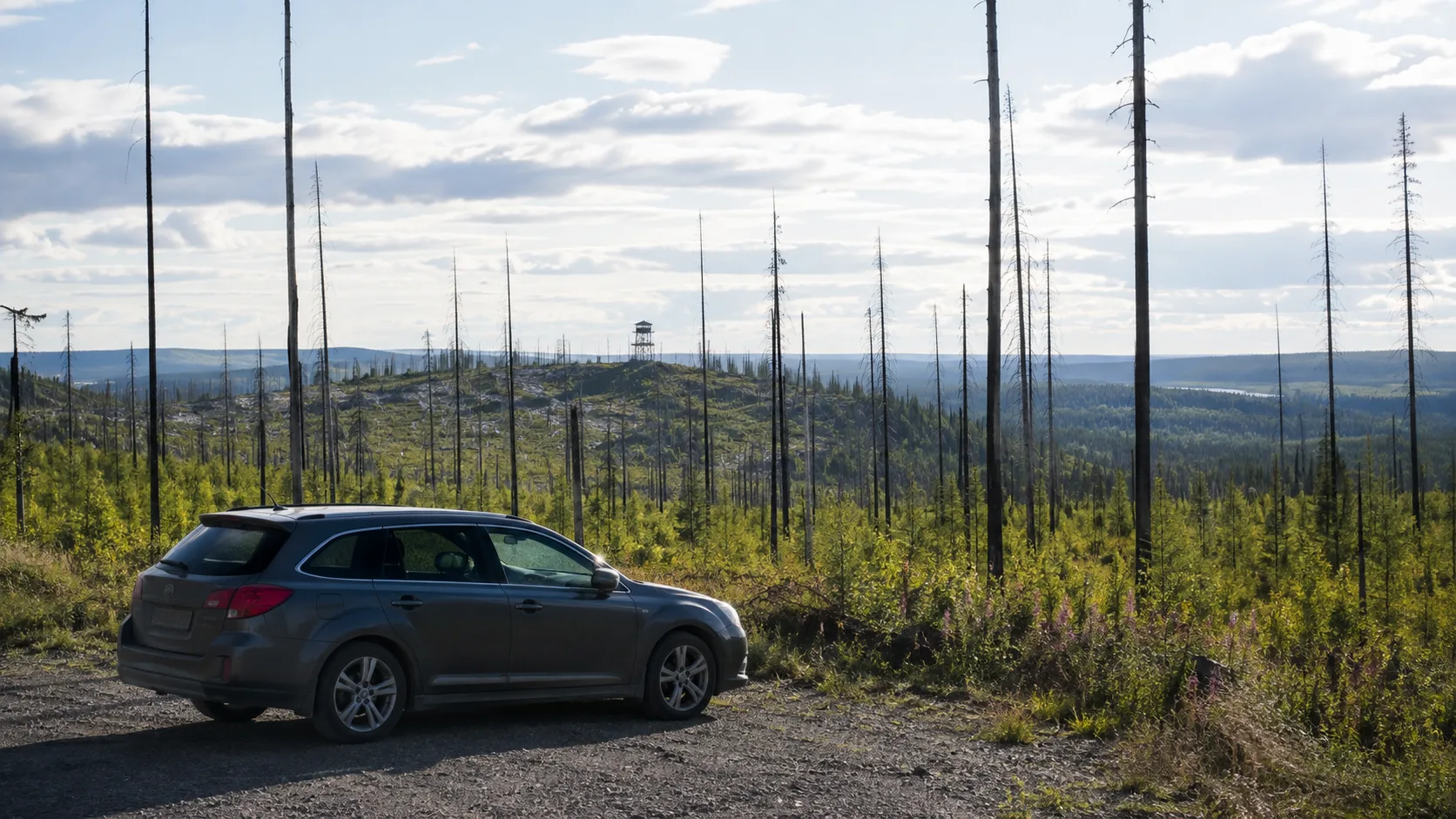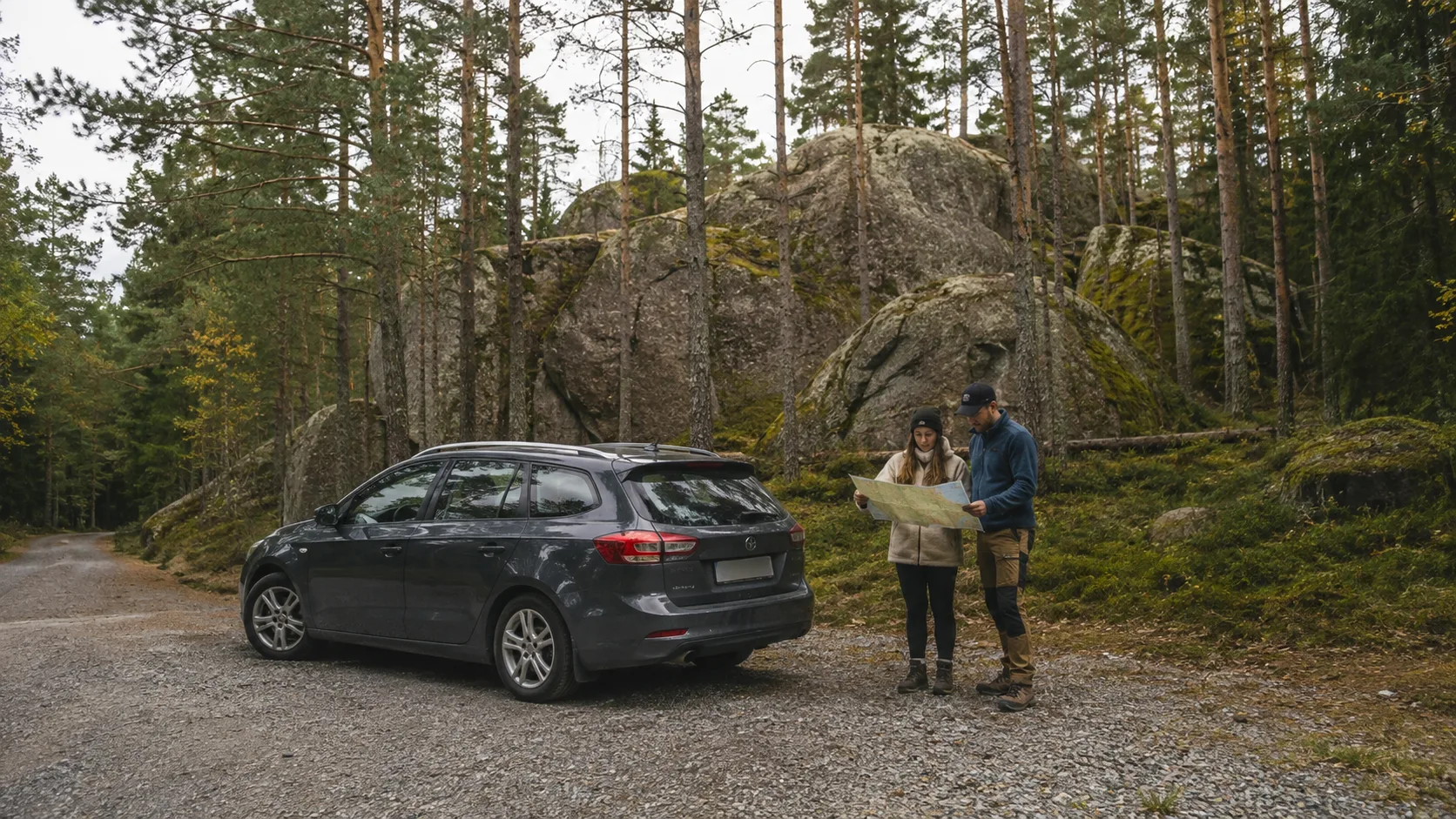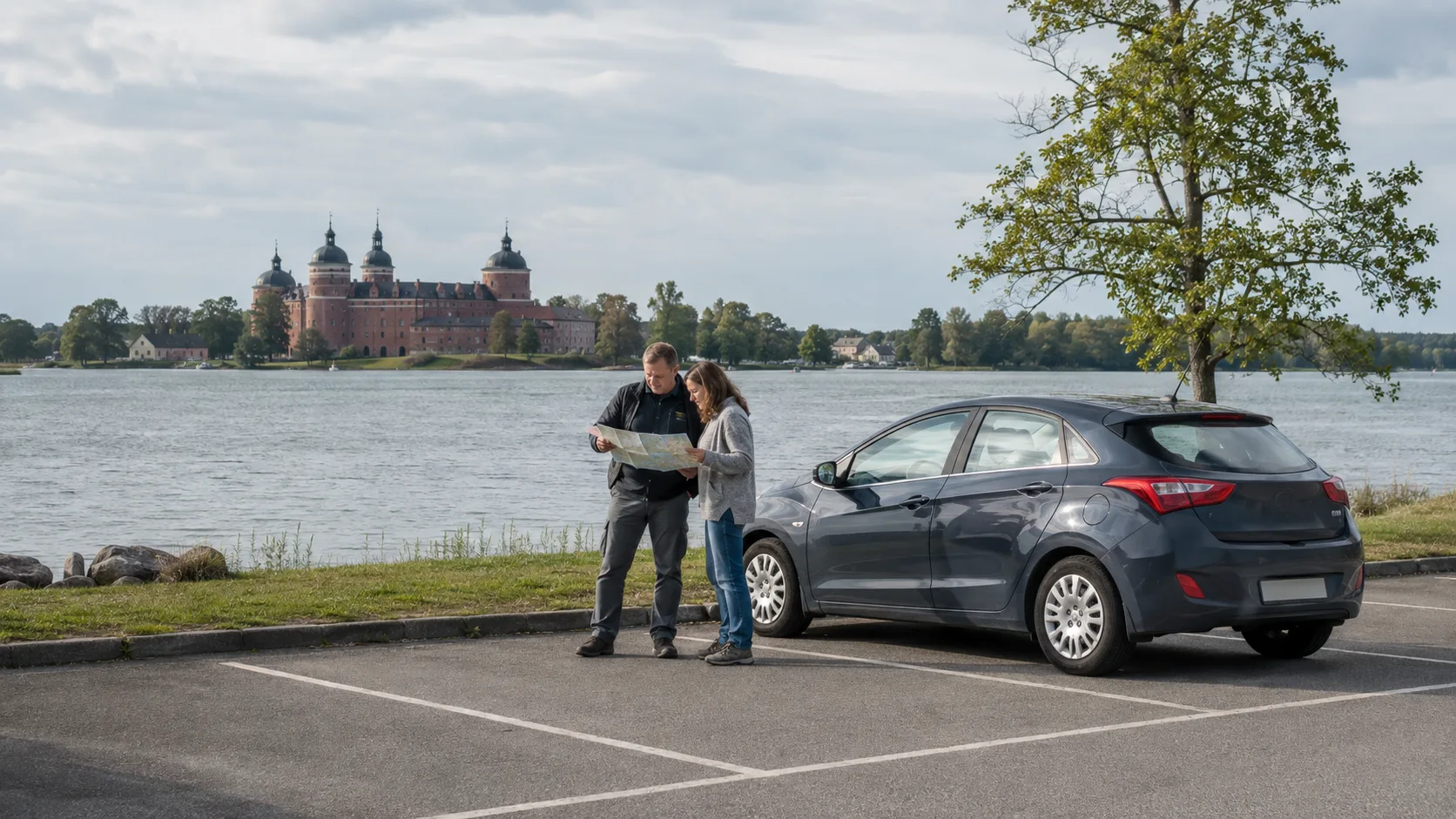
The distance between Lake Mälaren and the Baltic coast looks modest on a map. Five days still do not cover every worthwhile stop. A useful Södermanland road trip therefore means choosing between time inside Gripsholm Castle in Mariefred, slower town walks, manor landscapes and enough daylight for places such as Stendörren rather than treating all ten stops as boxes to tick.
1. Mariefred and Gripsholm Castle
Mariefred works because the town and Gripsholm Castle are separate reasons to stop. The compact centre, waterfront and streets around Lake Mälaren can fill a relaxed couple of hours even if you never enter the castle, while the palace grounds add another layer without requiring a ticket.
The interior needs more planning. Use the castle's calendar for your date to choose an available visit before assigning the rest of the day to Mariefred. A summer tour time is not a year-round timetable.
Allow most of a half day if the castle matters to you; less if Mariefred is mainly a lakeside stop. It suits travellers who want Swedish history without spending a full day in a large city. Before leaving, check that day's castle hours, tickets and tour availability rather than assuming the summer pattern applies year-round.
2. Strängnäs
Strängnäs gives Lake Mälaren a different character. The cathedral sits above an older centre of cobbled streets, while the lake remains close enough for a walk down towards the water. The cathedral dates from the 13th century and includes the tomb of King Karl IX, making this a stronger ecclesiastical-history stop than Mariefred.
A normal visit fits into a slower half day: cathedral, old streets, lunch or coffee and a waterside walk. Mariefred and Strängnäs are only around 20–22 km apart by road, so combining them is realistic if you resist adding another major attraction to the same day.
Use the parish's current visitor information before putting the cathedral in your plan. Services and other activities can affect access; the older centre and lakeside walk can take more of the visit when the church is unavailable.
3. Trosa
Trosa belongs later in the journey. Its defining line is Trosaån, the river running through the small centre towards the harbour and Baltic coast, so the natural visit is a walk rather than a museum programme. The official visitor guide specifically points visitors along the river and through the central streets towards the harbour.
Two or three unhurried hours can be enough. Walk the river, continue to the harbour and leave space for a café rather than trying to manufacture a full sightseeing day.
That makes Trosa useful at the end of a coastal day or as the final stop before heading north. Check current parking rules and seasonal harbour activity before departure; summer transport and visitor services do not necessarily continue into autumn.
4. Stendörren Nature Reserve
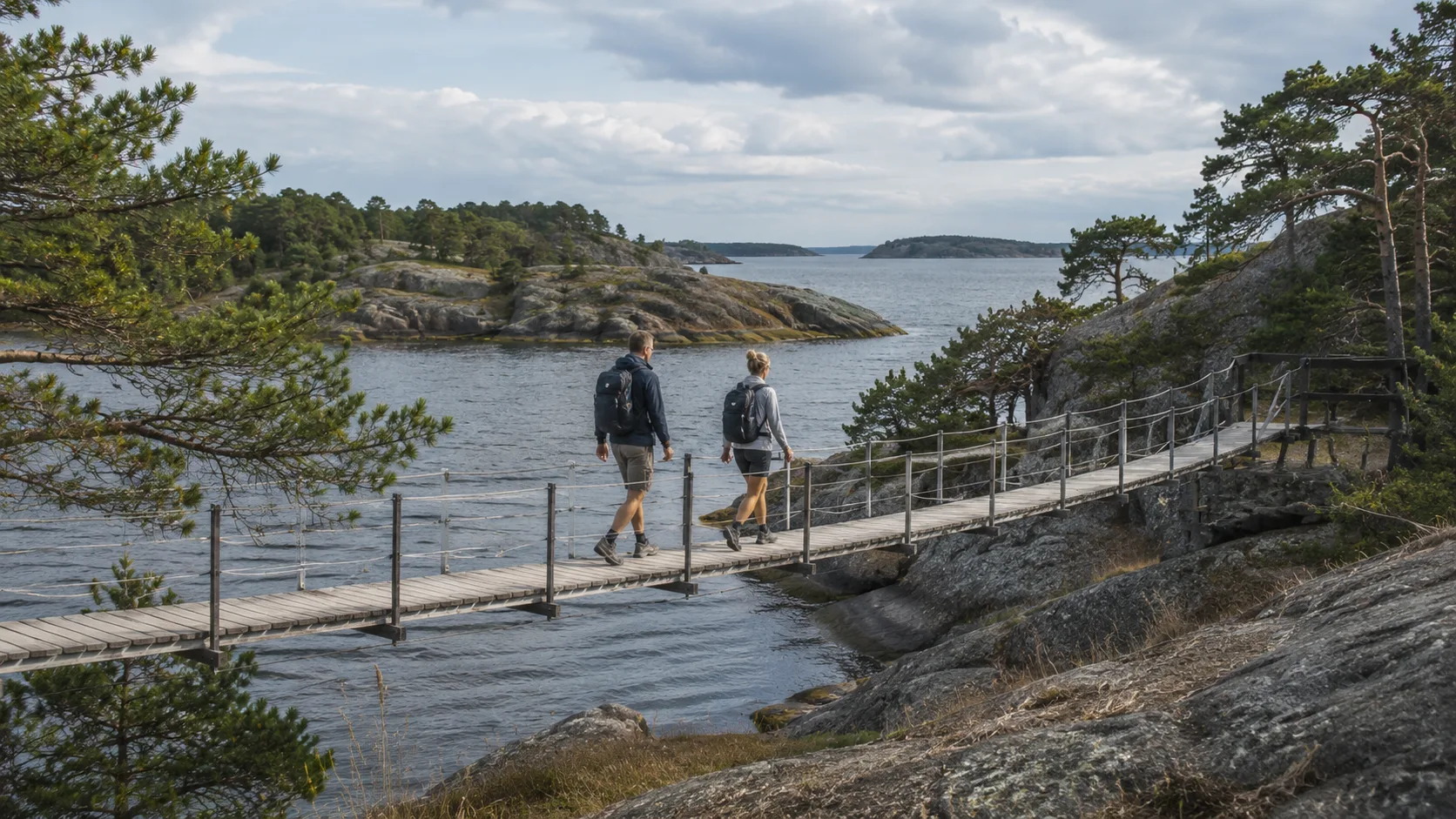
Stendörren is the clearest change of pace in this Sörmland travel guide. Suspension bridges lead from the mainland towards Äspskär and Stora Krokholmen, and three marked routes currently range from 2.5 km to 9 km. The paths can be uneven, with rock, roots and steeper sections.
Allow a half day rather than rushing the longest loop. The 4 km Upplevelserundan gives time for bridges and the Baltic setting; the reserve's visitor information has the current routes and naturum calendar.
Choose a short walk. Wear shoes with grip. Leave enough time to enjoy the bridges without rushing to the next booked visit.
Read Stendörren's current reserve rules and map for fires, vehicles and overnight stays before choosing where to stop.
5. Nyköping and Nyköpingshus
Nyköping is the compact urban-history stop. Nyköpingshus began as a medieval defensive site, later became a Renaissance castle and is closely associated with the Nyköping Banquet of 1317. The surviving complex and Kungstornet sit near Nyköpingsån and the harbour rather than in an isolated estate landscape.
Allow around half a day for the castle area and harbour, with the tower museum planned separately. Kungstornet's 2026 autumn-holiday programme opens on 24–25 October and 27 October–1 November, 10:00–16:00. Family tours have limited spaces, with sign-up at reception.
That distinction matters. The exterior historic environment can still make sense when the tower is closed. Check Kungstornet's opening information separately before building the day around going inside.
6. Oxelösund and the Femöre peninsula
Oxelösund replaces manor houses with open Baltic coast, rock and 20th-century military history. The Femöre peninsula works well for a coastal walk even when Femörefortet is not part of the day.
Entering Femörefortet requires a guided tour. Regular autumn weekends in 2026 ended on 4 October according to the fort's opening information. For a later trip, I would choose the coastal walk or first arrange a separately booked group tour with the operator.
Allow a few hours for the peninsula and longer if a fort tour matches your date. It suits travellers who want coast without another picturesque town. Check Femörefortet's current booking page before departure, especially outside the main summer season.
7. Nynäs Nature Reserve and Nynäs Castle
Nynäs is useful because one stop can shift between cultural history and nature according to weather. The reserve covers 3,822 hectares and includes forest, pasture, lakes and coast, with walking options connected to Sörmlandsleden.
Regular tours of Nynäs Castle are closed for the season, checked on 8 October 2026. Build an autumn visit around the reserve and exterior castle setting, or choose a date from the next published tour programme if you want to go inside.
A few hours is sensible for a nature-and-landscape visit. Check the reserve's own information for paths and overnight rules separately from the castle calendar.
8. Julita Manor
Julita Manor, 25 km outside Katrineholm, is larger in scope than a quick castle photo. The estate combines historic buildings, gardens, parkland and collections that reflect early-20th-century manor life.
Julita's current opening information confirms year-round independent access to the park. Buildings, shop and café normally close outside summer, with a special opening on 23–25 October 2026, 10:00–17:00. Choose between an ordinary park visit and an advertised event day.
A long castle visit in Mariefred can easily push Julita or Stendörren into the next day. That is a better outcome than arriving with forty minutes left and spending the journey watching the clock.
9. Eskilstuna and Rademachersmedjorna
Eskilstuna earns its place through industrial history. Rademachersmedjorna preserves buildings from Sweden's 17th-century forging manufactory, giving the city a specific craft and production story rather than another castle or medieval centre.
The important practical distinction is between the historic environment and the businesses or museum rooms inside it. The outdoor setting is accessible year-round, while individual craftspeople keep their own hours and the museum forge and children's forge operate seasonally and at selected events. The regular 2026 museum summer season ended on 16 August.
One or two hours works if the exterior setting is your main interest; allow longer for an advertised tour or event. Check individual opening information before making a special journey for a workshop.
10. Choose a stage of Sörmlandsleden
Stage 42 between Koppartorp and Skyrshyttan is 7 km according to the trail association. It passes woodland and remains of older mining and metalworking, including Stora Jogershyttan.
This is a linear walk: plan transport from the finish or choose an out-and-back section that fits your daylight. Carry water; the tap at Koppartorp is seasonal. Check the current stage page for changes before setting out.
Plan an autumn day that works
With one free Saturday in October, I would choose history or coast first. On 24 October, Kungstornet's autumn-holiday opening can anchor the day, followed by a walk towards Nyköping harbour. For a coastal day, I would instead give Femöre its own half day and bring a picnic, without relying on a fort tour.
Choose one main stop. Leave the rest open. Julita's special opening on 23–25 October could also have its own day if the park, buildings and events appeal more than the coast.
Two realistic ways to divide 3–5 days
For three days, choose a side of Södermanland. A Lake Mälaren and inland version could use Mariefred and Strängnäs for the first day, then Julita and Eskilstuna before finishing around Nyköping. A coastal version makes more sense around Nyköping, Oxelösund, Stendörren and Trosa, with Nynäs added only if the timing remains comfortable.
Five days gives the county more room. One example is Mariefred and Strängnäs first, Julita and Eskilstuna second, Nyköping third, Stendörren and the nearby coast fourth, then Trosa or part of Sörmlandsleden on day five. Check the day's roads and driving times in a current map service before setting out.
Treat those as frameworks, not an optimised route. Weather, tours, roadworks and how long you actually stay somewhere will change the better order.
Three days means removing things. Five days still means choosing. A booked castle tour in Mariefred belongs firmly in the plan; a walk at Stendörren can move by a day when rain or wind makes the coast less appealing.
That is also where a private travel archive becomes useful. In FARON you can place the stops in an upcoming trip before leaving, then keep the places that actually happened, how long they took, photographs and notes afterwards. A year later, the useful detail may be that Strängnäs needed half a day while Stendörren deserved twice as long, not the original ten-place wish list. You can then see which stops actually happened on the map instead of preserving the plan as if nothing changed.
If Södermanland becomes part of a longer Lake Mälaren journey, you can also continue through Stockholm County or compare Lake Mälaren with Västmanland.
To decide whether your own version should favour long walks, towns, history or more frequent short stops, find the travel rhythm that suits you.
FAQ
How many days do you need for a road trip in Södermanland?
Three days is enough for one part of Södermanland; five days gives you a realistic chance to combine Lake Mälaren, inland stops and the Baltic coast. Trying to cover all ten places in three days would leave too much of the trip in the vehicle.
Which places in Södermanland work well with children?
Stendörren, Nynäs, Julita and Rademachersmedjorna can all work well with children when their current activities and access suit your dates. Gripsholm also has family-oriented material, but check current opening information before building the day around it.
What should I check before visiting Gripsholm Castle, Julita Manor or Femörefortet?
Check the current booking and opening information for all three before departure. Tours, available spaces and seasonal access change, and Femörefortet in particular should be treated as a guided visit rather than guaranteed drop-in access.
Can you stay overnight in Stendörren Nature Reserve?
Specific reserve regulations apply, and overnight stays are prohibited in parts of Stendörren Nature Reserve. Check the current reserve map, signs and County Administrative Board information before any overnight plan, and do not assume that general right-of-public-access rules permit parking, a caravan, campervan or tent at a particular location.