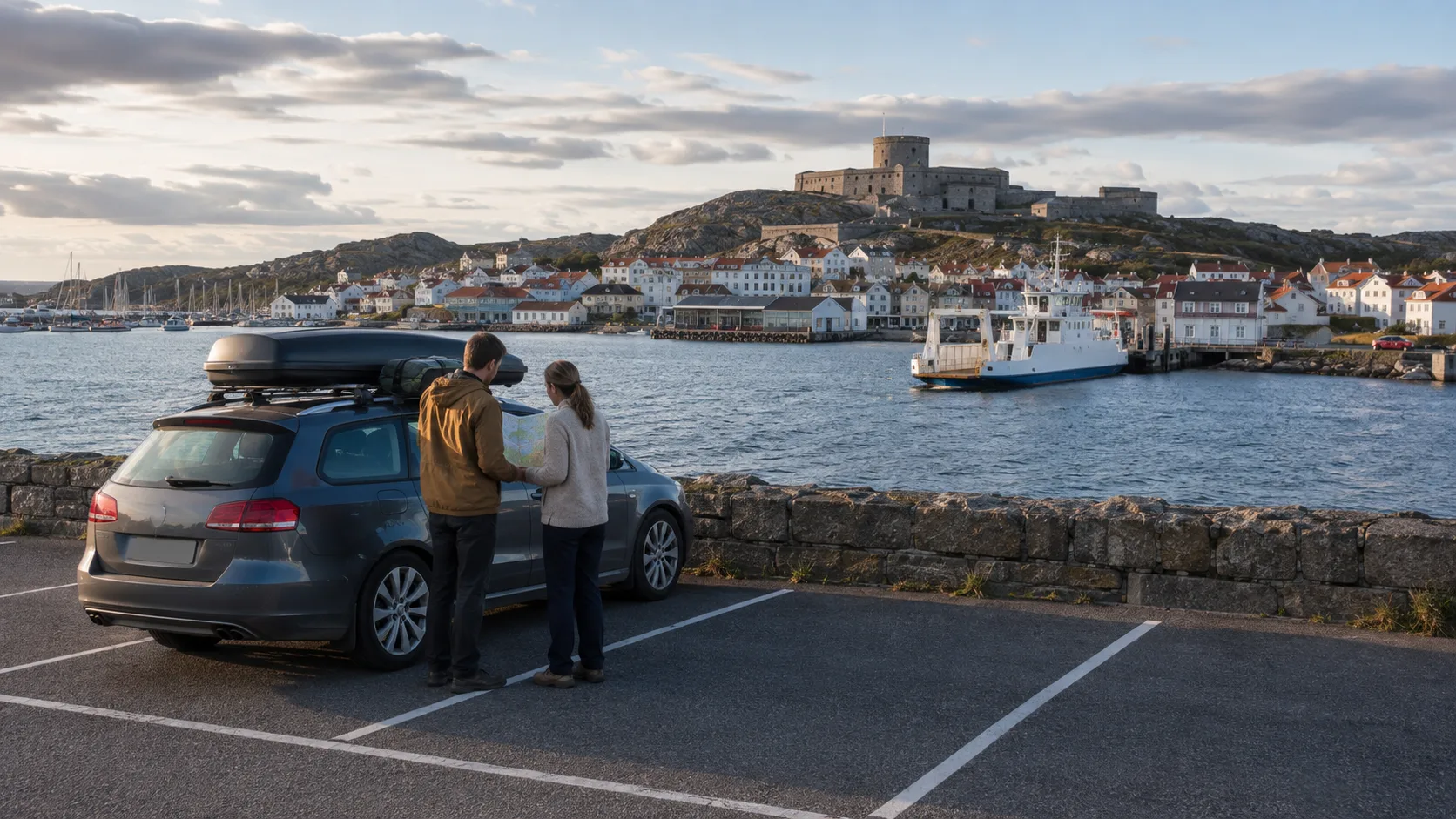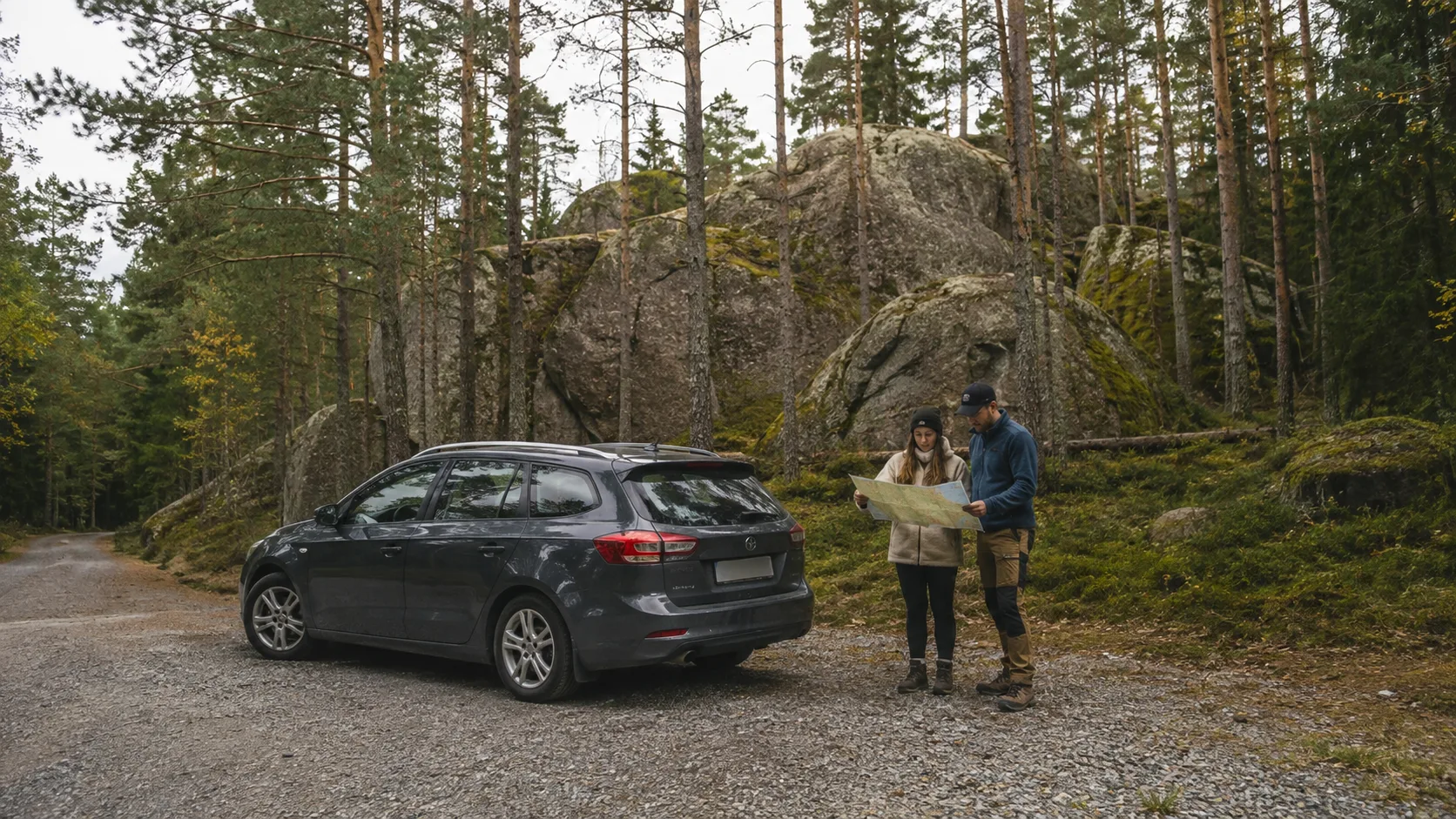
Castle. Wooden town. Mining village. Deep ravine forest. Two to four days reveal remarkably different parts of Örebro County, but the journey only becomes coherent when Nora, Bergslagen and Tiveden receive more than a hurried pin on the map.
1. Örebro Castle
Örebro Castle gives the route an immediate historical centre without requiring a drive out of town. Its roughly 700-year history includes periods as a fortress, prison and royal residence. Jean Baptiste Bernadotte was elected heir to the Swedish throne during the 1810 parliament in Örebro.
A view of the castle and its surroundings can fit into part of a day. Allow longer for a guided tour or current exhibition, and check the day's opening and tour times before departure.
2. Wadköping
A few minutes away, the city changes scale. Wadköping consists of historic buildings and courtyards moved from Örebro and the surrounding district. The oldest, Kungsstugan, dates from the fifteenth or sixteenth century; the open-air district itself opened in 1965.
Walk the lanes, workshops and museum settings for an hour or two, or stay for lunch and a market. Drivers of large campervans and caravans should check current city parking rather than expecting space beside the entrance.
3. Oset and Rynningeviken
Where the River Svartån reaches Lake Hjälmaren, wetlands, grazing land, walking paths, shelters and bird towers replace the city streets. It is an easy change of pace before the next driving stage.
Use Naturens hus and the paths in the water park for a short visit. A pedestrian and cycle bridge over Svartån connects with Oset if you want to extend the walk. Choose your distance on the reserve map and include the return to the car; the whole wetland area is a larger outing than a break beside Naturens hus.
4. Garphyttan National Park
Garphyttan National Park west of Örebro was established in 1909. The meadows near the old farmstead and the forest towards Svensbodaberget offer different kinds of walk. Choose for the slopes and surface as well as the distance.
Torpstigen is 2.4 kilometres long, marked with three orange dots. Parts are steep and stony; the northern section through the forest to Skomakartorpet is the easiest. With tired legs, I would walk that stretch out and back, turning before energy runs low.
Bergstigen is 3 kilometres long, with purple markings and four dots. It also has stony sections and steep slopes. Svensbodaberget has views across Närkesslätten and picnic tables, giving the walk a destination if you want to spend most of the visit on the trail.
Suppose Nora is on the same day's plan. I would choose a shorter walk in Garphyttan to leave time for Nora's streets and fika. If you choose Bergstigen and a long rest on the hill instead, the next stop can wait. Bring a picnic and read the park's current visitor information before departure.
5. Riseberga Abbey ruins
The Cistercian convent outside Fjugesta was founded in the twelfth century. Parts of the western church wall remain beside the former monastic area and an amphitheatre built in 1937.
This is a modest stop best taken slowly. Walk through the site rather than collecting a photograph from the car, and check local events and access if travelling with a large vehicle.
6. Nora wooden town
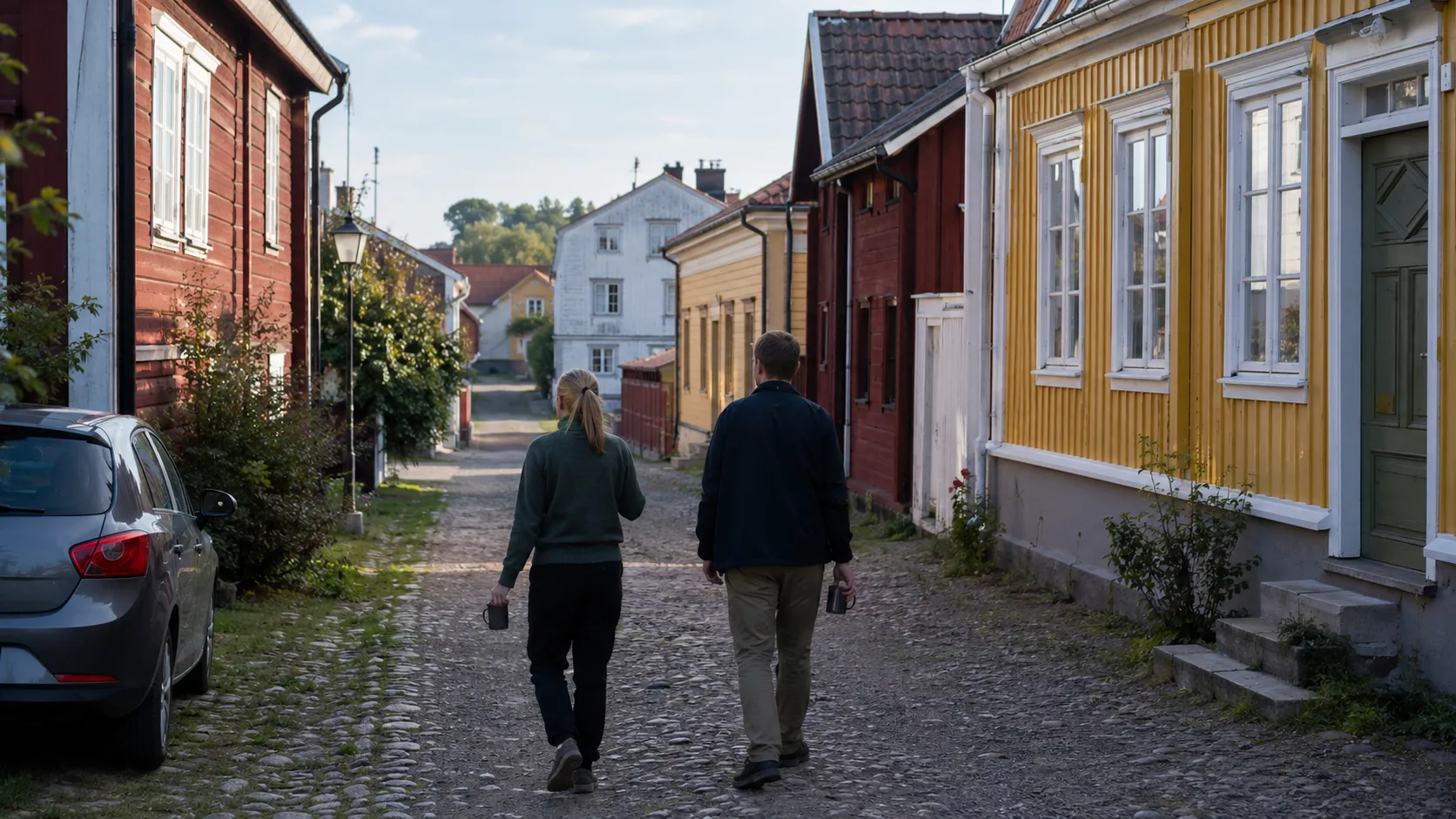
Nora's eighteenth- and nineteenth-century buildings, courtyards, cobbled streets and old shop signs remain part of a living town. Its conservation work has received three Europa Nostra medals.
Allow at least a couple of hours for the centre and fika. A café visit that runs long can be a perfectly good reason to remove the next stop; city, mine and a long walk do not all need to fit before evening.
7. Pershyttan cultural reserve
A few kilometres from Nora, Pershyttan preserves a mining community whose roots reach the fourteenth century. The furnace, mining area, industrial remains and transport systems show how iron shaped both work and landscape into the twentieth century.
Nora is the wooden town. Pershyttan is the work behind Bergslagen. A self-guided walk gives a useful first view; check current tours if you want to understand the furnace and mines in greater depth.
8. Knuthöjdsmossen
Near Hällefors, this raised bog contains hundreds of pools and is known for red-throated divers. The first 400 metres from the entrance use an extra-wide boardwalk. From 1 April to 1 September, parts of the reserve are closed, including the northern trail loop. Follow the current reserve map and marked route; do not leave the path in the restricted area.
Current County Administrative Board maps and signs outrank an old saved pin. Camping is prohibited in the reserve, and vehicles may only be used where its regulations permit.
9. Alfred Nobel's Björkborn in Karlskoga
Björkborn Manor was Alfred Nobel's last Swedish home, and Karlskoga also played a part in the legal process around the will that led to the Nobel Prizes.
This museum needs more planning than a ruin or nature walk. Opening periods and booked visits vary, so confirm availability before making Karlskoga a fixed part of the route.
10. Tiveden National Park
Old forest, boulder fields, lakes and deep fissure valleys make Tiveden the stop most likely to consume the rest of the day. The park has entrances at the main visitor area, Vitsand and Ösjönäs.
Vitsandsrundan is about 1 km from the Vitsand entrance, but the park warns that it is not yet marked throughout. Use the park’s map and directions. Stenkällerundan is 2.2 km with a published time of about 1.5 hours; the more demanding Trollkyrkerundan is 4.6 km and about 3 hours. Add your own breaks and choose for terrain and daylight.
Park only in designated areas. The national park has no motorhome stopover, and sleeping in a car, motorhome or caravan inside the park is prohibited. Check current regulations before every visit.
Build a two-day or four-day route
For two days, keep the frame around Örebro, Kilsbergen and Nora. Day one can combine the castle, Wadköping and either Oset, Riseberga or Garphyttan. Give day two to Nora and Pershyttan, leaving room for lunch, rain and a walk that takes longer than planned.
With four days, continue through Bergslagen. Give Hällefors and Knuthöjdsmossen their own part of the trip, include Karlskoga only when Björkborn is available, and reserve half or all of a day for Tiveden.
A two-hour walk can become three after rain and fika. It cannot share the same hour with a pre-booked museum tour merely because both places lie in one county.
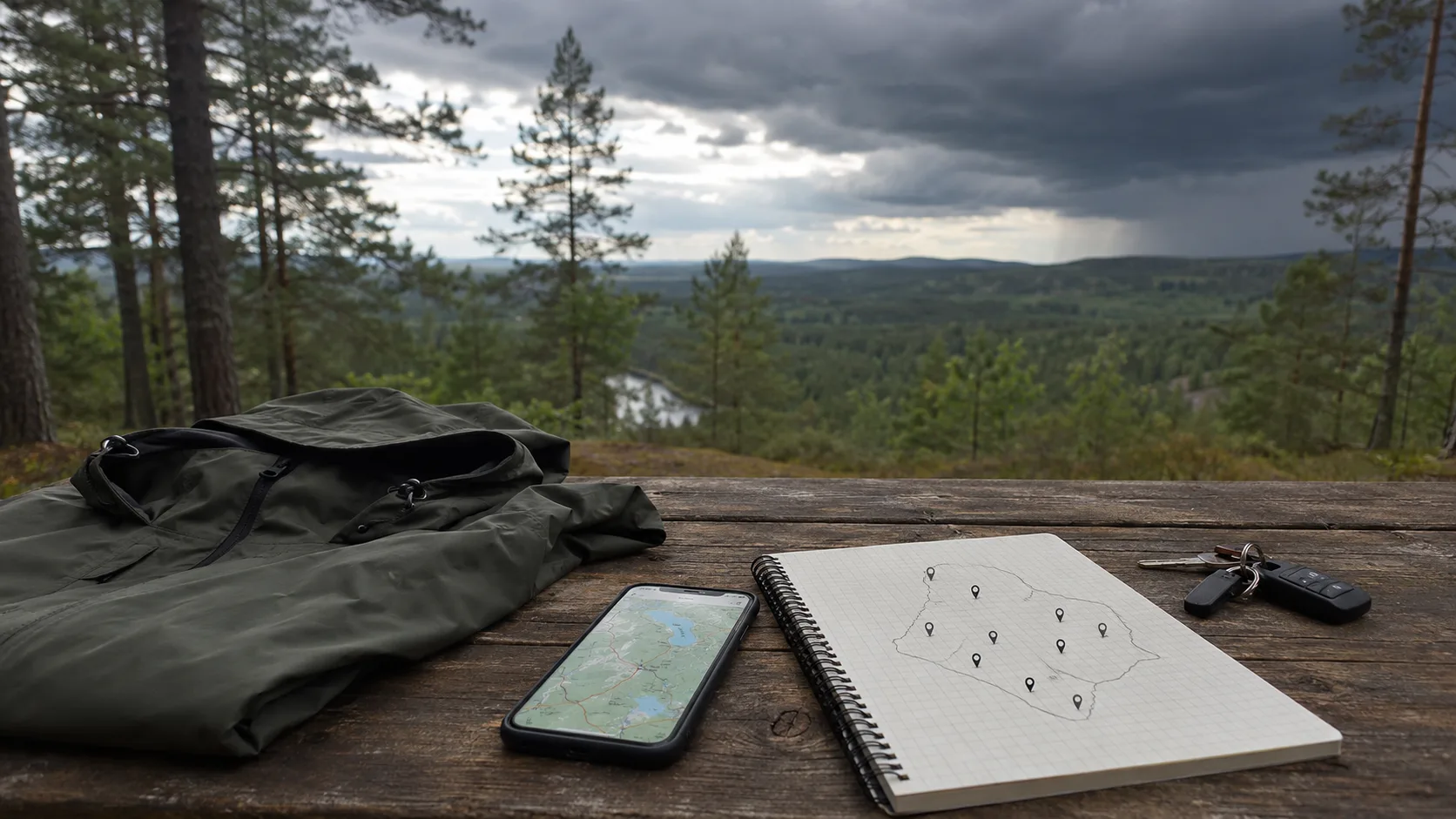
Save the candidates under Saved places and arrange them in an upcoming trip. Afterwards, keep the stops that actually happened, with their photographs and lessons, on the private trip map.
For the next county east, follow the Västmanland route from Lake Mälaren to Bergslagen.
Frequently asked questions
Which Örebro County destinations suit a weekend?
Örebro, Garphyttan, Nora and Pershyttan make a realistic weekend combination. Choose fewer places if you want a long walk or booked museum visit.
How many days does an Örebro County road trip need?
Two days cover a focused route, while three or four give Bergslagen, Karlskoga and Tiveden enough room.
Can I combine Tiveden and Nora on one trip?
Yes. Place them on different days so a long Tiveden walk does not compete with Nora and Pershyttan.
Where should I check opening times and regulations?
Use the destination's official site, municipality, County Administrative Board or Sweden's national-park information immediately before departure.