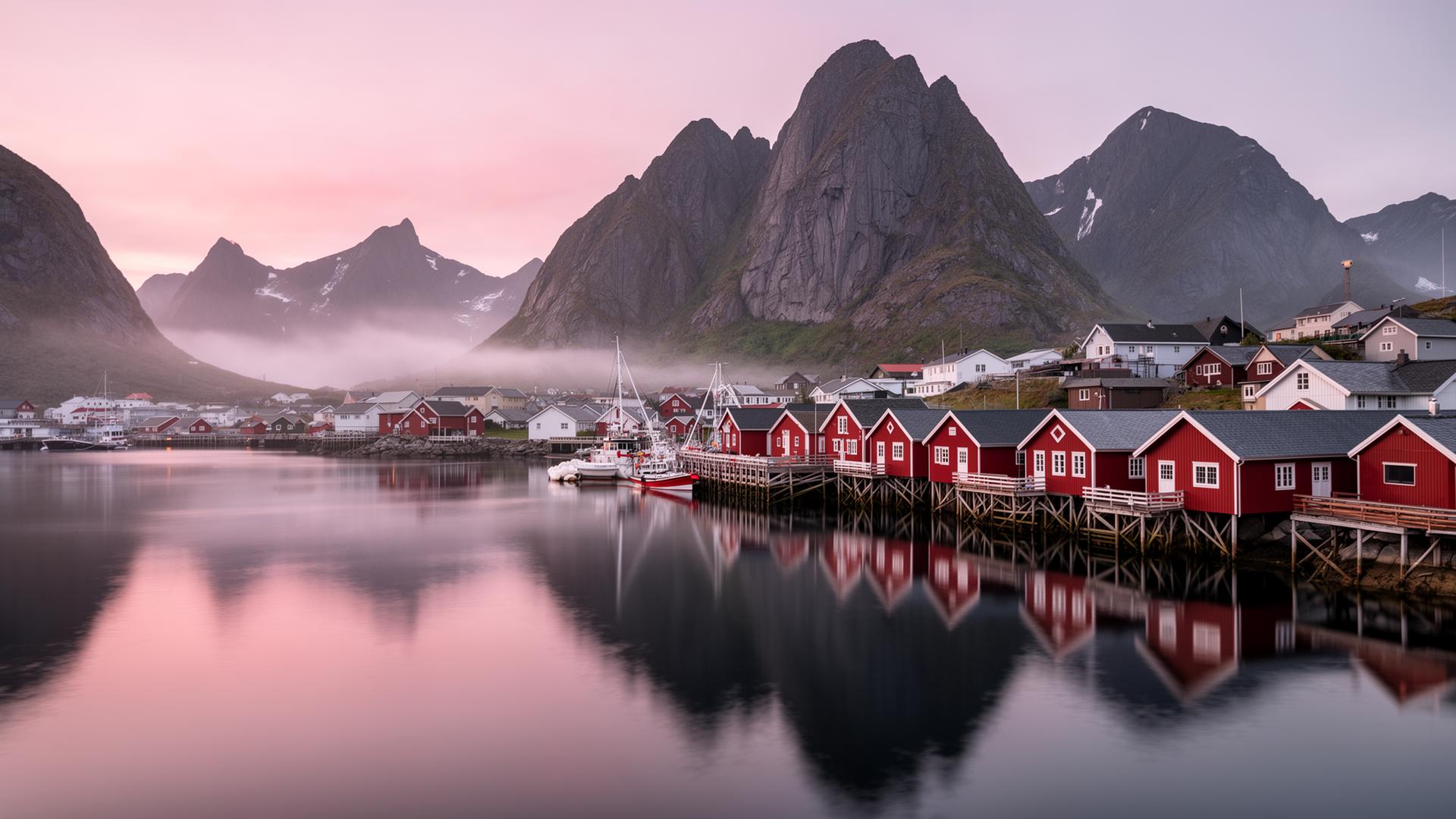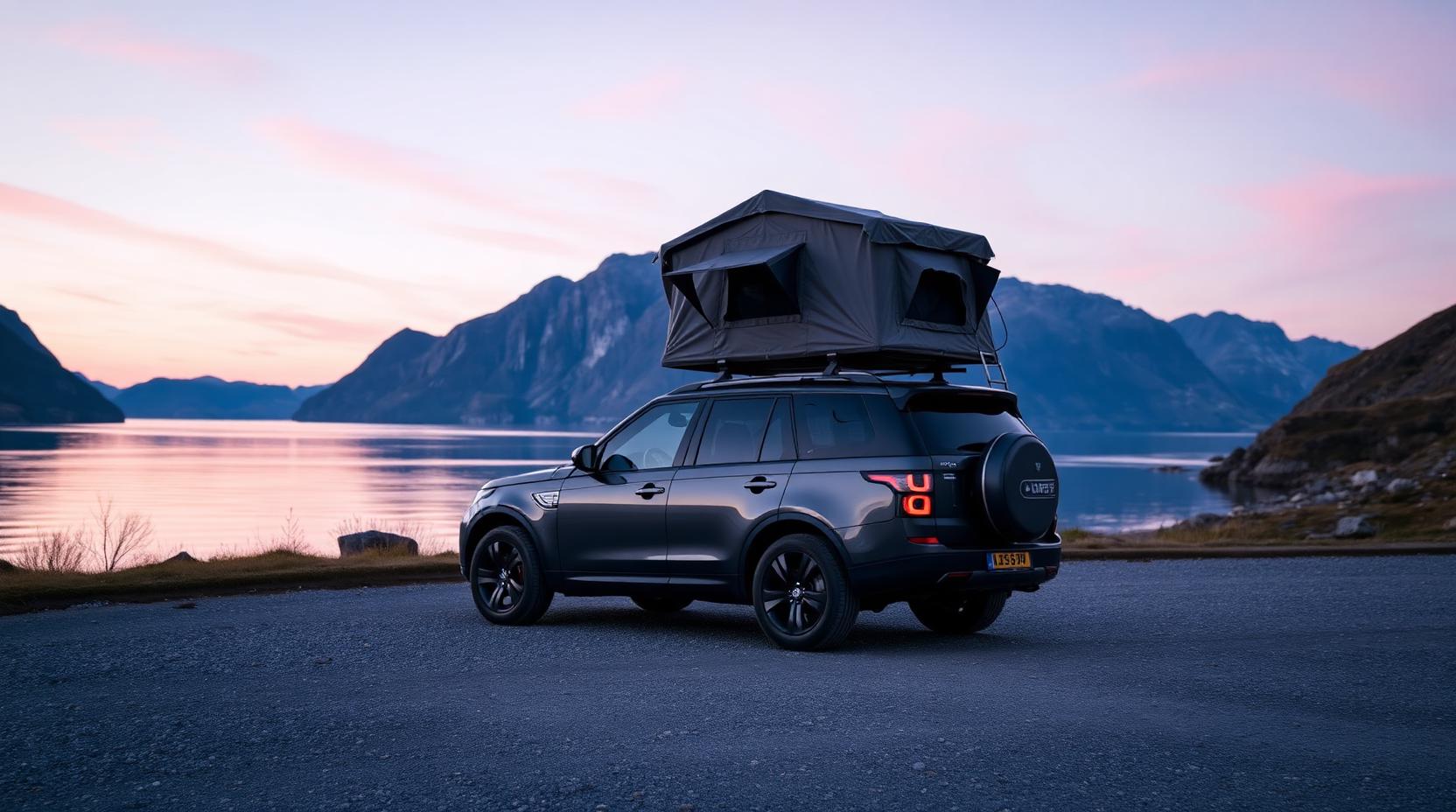
At five in the morning in northern Norway, you climb down from a rooftop tent to a still fjord beneath a sky that never became dark. These are the nights people travel for. Reaching them responsibly means combining lawful vehicle nights, occasional ordinary tent use and campsites when weather turns.
This guide separates the right to pitch a tent on land from the rules for the car beneath a rooftop tent.
Separate roof, vehicle and ordinary tent
Norway's allemannsretten can allow an ordinary tent on qualifying uncultivated land, normally at least 150 metres from an inhabited house or cabin and for no more than two nights without permission. Local rules can impose further limits.
It does not grant a special right to camp with a motor vehicle. A car with its rooftop tent open must still be lawfully parked, and local rules can prohibit camping or overnight use even where daytime parking is allowed. Camping forbudt or overnatting forbudt means find another place.
An ordinary ground tent can add options only when the vehicle is parked lawfully and the tent position itself satisfies land, distance and local requirements.
Read a Norwegian gravel car park before opening the tent
First, inspect every sign and time plate. Restrictions along E10 and other heavily visited routes may be small but still apply.
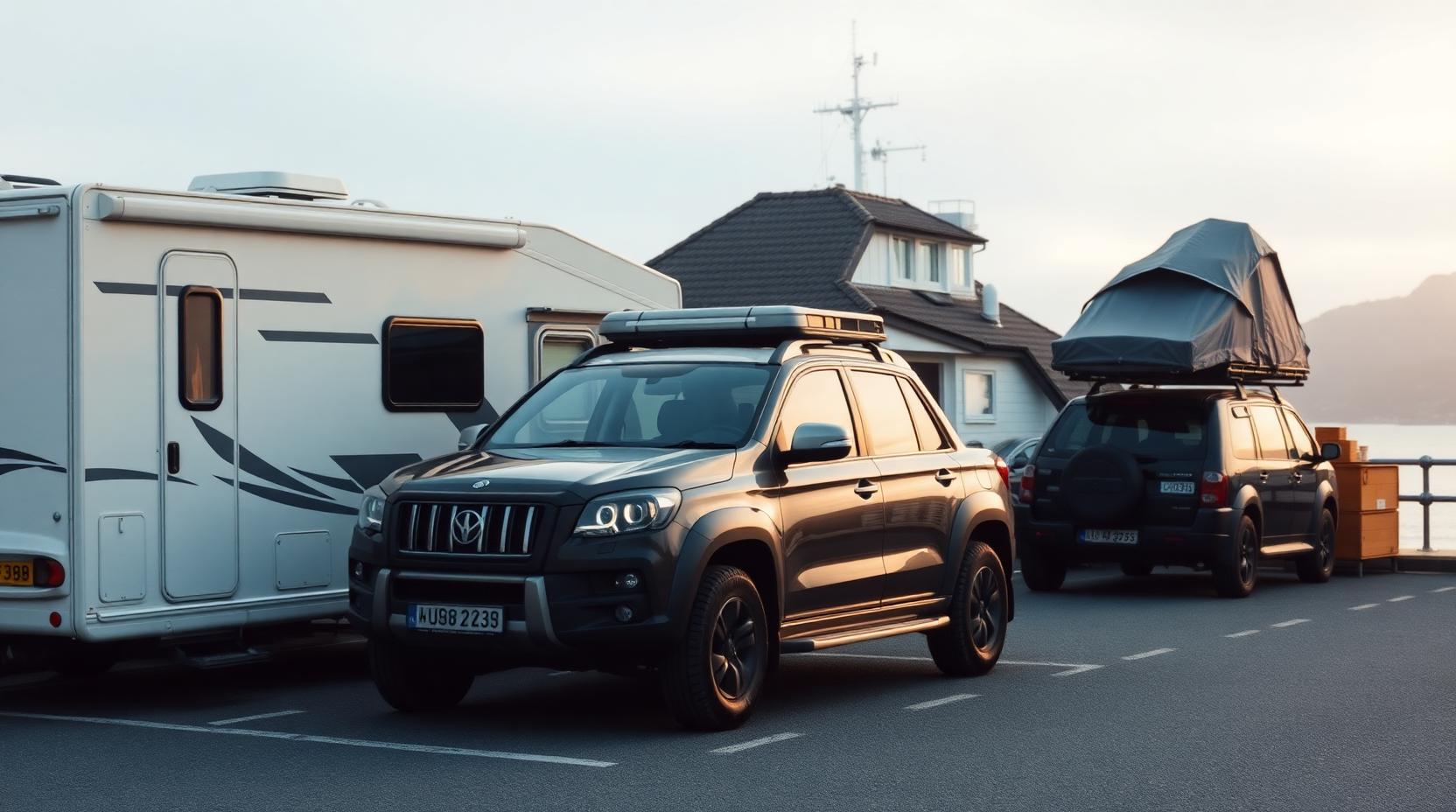
Second, assess pressure. A small area already holding several campervans is not improved by another open tent. Move to designated infrastructure rather than creating the crowd that leads to further closure.
Third, look at nearby homes and working access. If your morning presence would reasonably disturb somebody, leave before setting up.
Use the car's mobility without overstating access
A rooftop-tent car can handle narrower lawful roads and spaces than a long motorhome. That may help on parts of Lofoten, Vesterålen, Senja and inland valleys, but it does not turn forestry land, a turning area or private parking into a campsite.
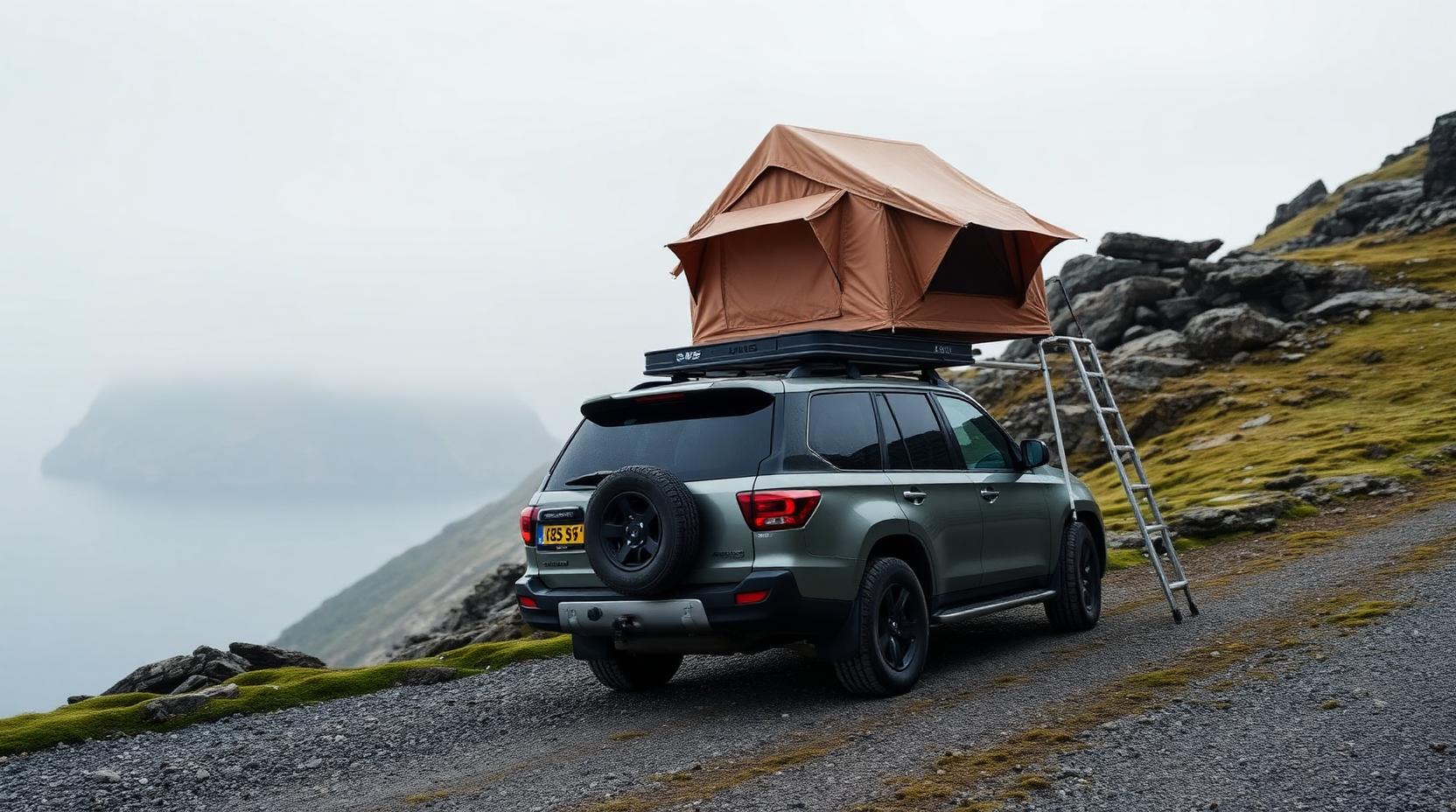
Wind is the trade-off. An exposed Atlantic viewpoint in a gale is not a sensible rooftop-tent night. Choose shelter or a campsite and arrive rested the following morning.
Plan for wind, rain and persistent daylight
Norwegian weather can change from warm calm to cold side rain quickly. Follow the rooftop-tent manufacturer's wind and setup instructions, close early when conditions deteriorate and keep a safe alternative for sleeping inside or at serviced accommodation.
North of the Arctic Circle, June and early July light can disrupt sleep. A dark tent liner or eye mask may matter more than another piece of camping equipment.
Late August and early September often combine lower visitor pressure with manageable temperatures, but weather and seasonal services must still be checked.
Save private Norway lessons
The fjord remains in memory while the practical place fades: level ground, shelter behind a ridge, signs, access and whether you would return.
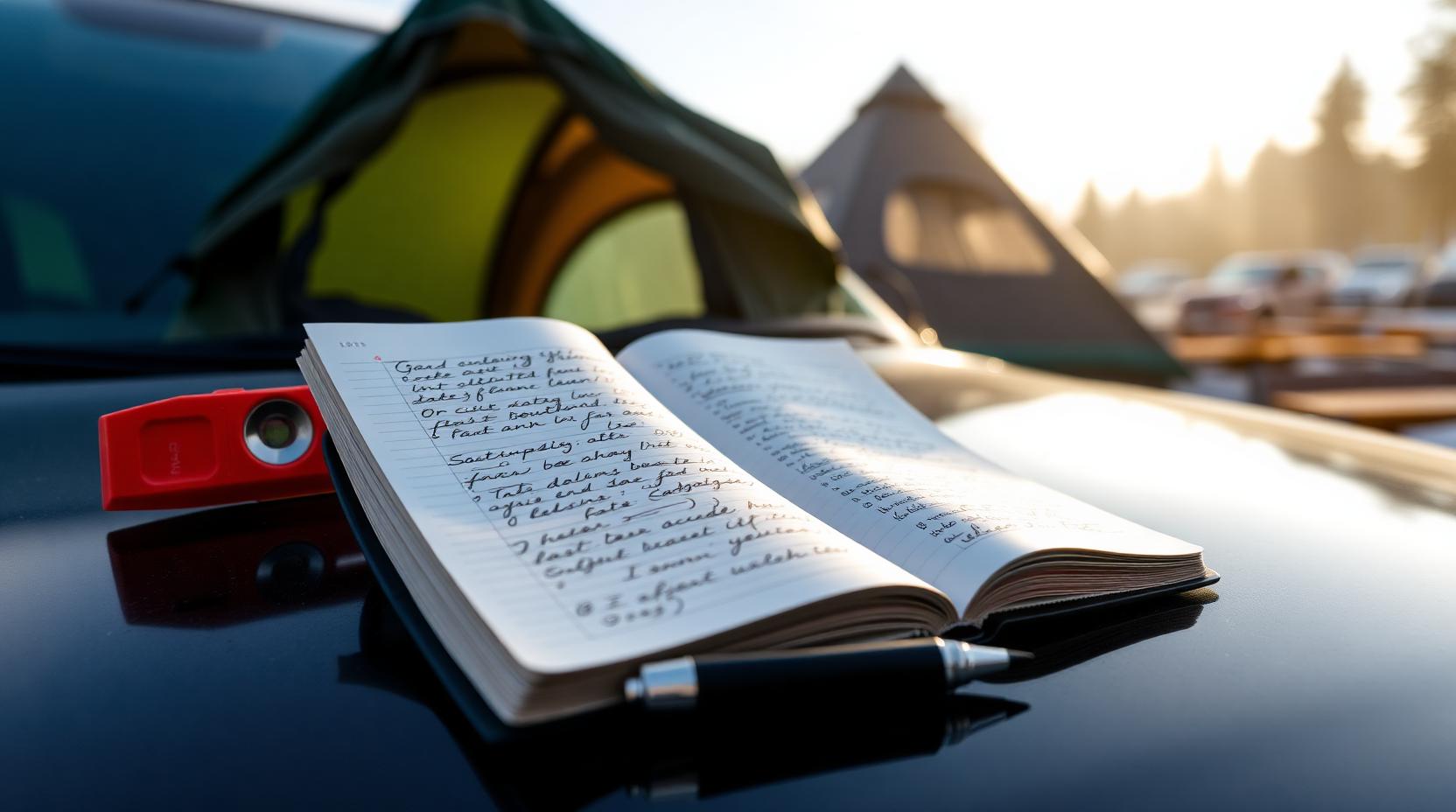
In FARON, log every night privately with a coordinate, photograph and note about slope, wind and ground. Use the trip map before the next Norway route.
FAQ
Can I open a rooftop tent anywhere under Norway's allemannsretten?
No. A rooftop tent remains part of a parked motor vehicle. Parking, local overnight rules and camping restrictions all apply.
Should I carry an ordinary ground tent as well?
It can add lawful options, but only when both the parked car and the separate tent location independently satisfy the relevant rules.
When is the best season for a rooftop-tent trip in Norway?
Late August and early September often balance open roads with lower pressure and darker nights. Check local weather and seasonal facilities for the exact route.
How do I keep Norwegian rooftop-tent places private?
Save the coordinate, photograph and practical notes in FARON. The night is not shared unless you actively share its trip.