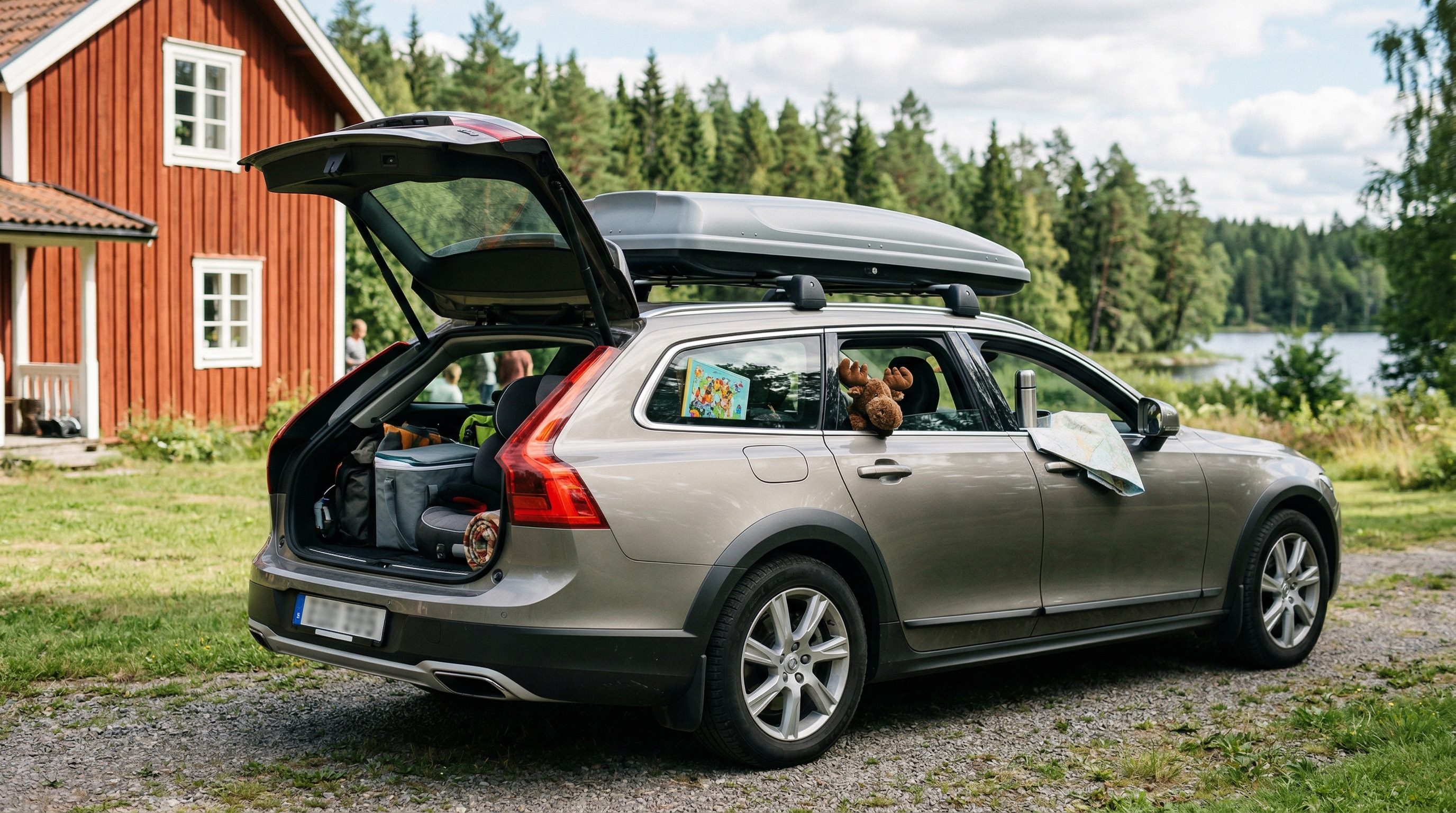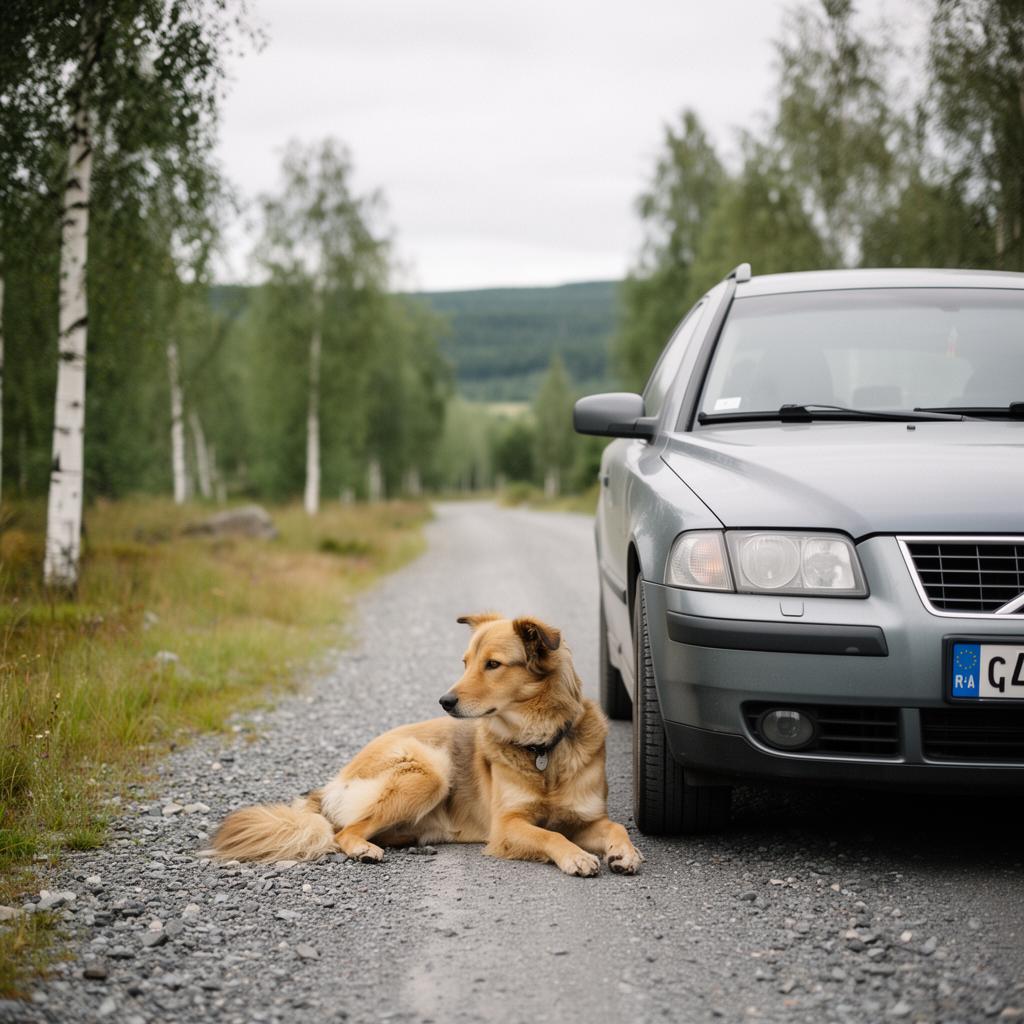
A dog changes a road trip through small, important links. A day becomes too long when pauses arrive late, a beautiful stop fails without shade and an otherwise acceptable night becomes restless.
This does not make the journey complicated. It makes water, temperature, rhythm and usable stops more honest measures than kilometres.
Plan the whole day instead of the distance
How one pause works affects the next drive; the evening affects the morning. Build shorter stages and more room between fixed points so the dog can settle before another transition.
The first enthusiastic day can hide a weak routine. Days two and three reveal whether stops were frequent enough and overnight places were chosen before everyone became tired.
Remove friction from every transition
An extra hour to reach a “better” place can be poor value in heat or after a delayed walk. Keep lead, water, bowl, towel and waste bags immediately available rather than under the luggage.
The car must also remain safe and ventilated for the conditions. Never treat shade as permanent or leave a dog in a vehicle when temperature or circumstances make it unsafe.
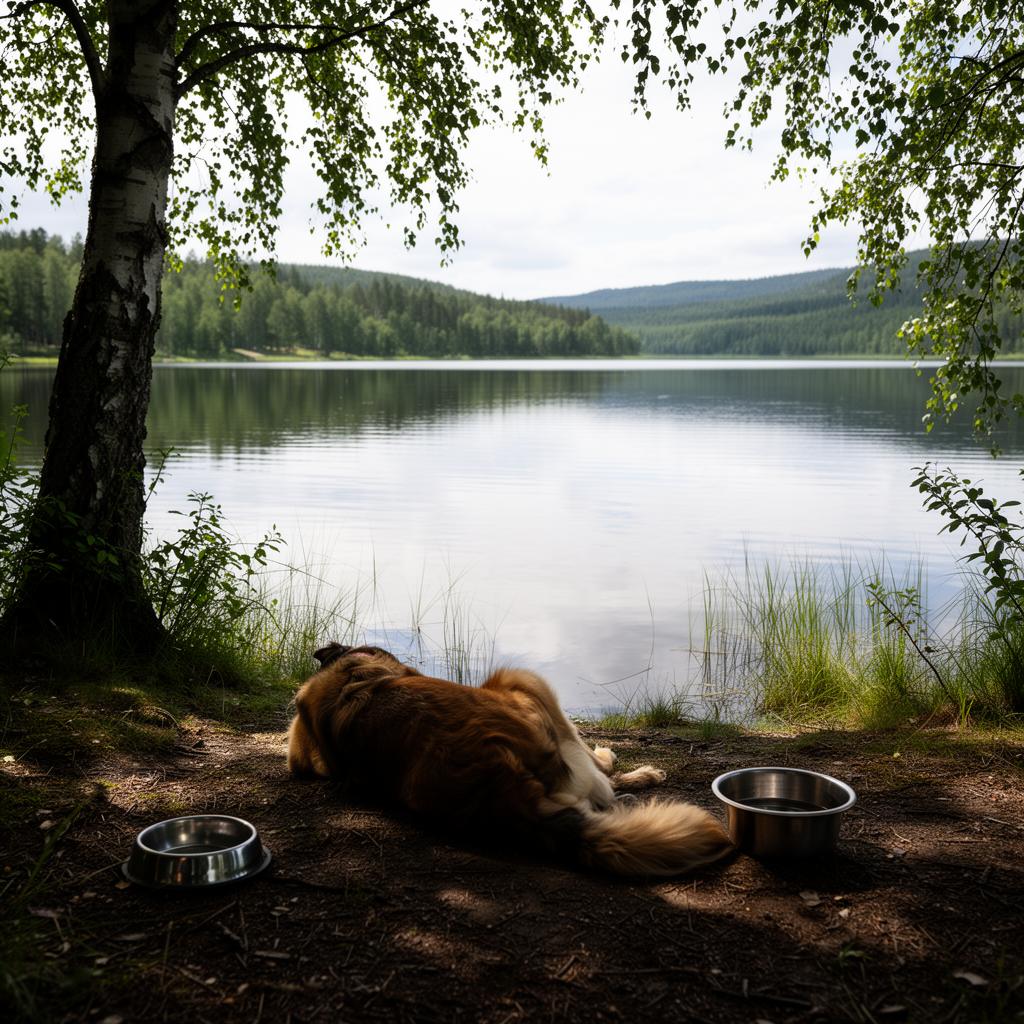
Choose shade, water and space over scenery
A good stop allows movement away from traffic, reliable shade, drinking water and enough time to settle. A famous attraction with hot paving may be less useful than an ordinary wooded rest area.
Stop before restlessness becomes distress. The exact interval depends on the dog, weather and day; attentive timing matters more than a universal schedule.
Make the overnight place easy to inhabit
Quiet, space for a final walk and a simple morning usually matter more than a dramatic view. Choose lawful places where the surroundings let both dog and people rest.
A functional campsite or cabin can be the best night after a demanding day. Sleep and a calm departure protect tomorrow's journey.
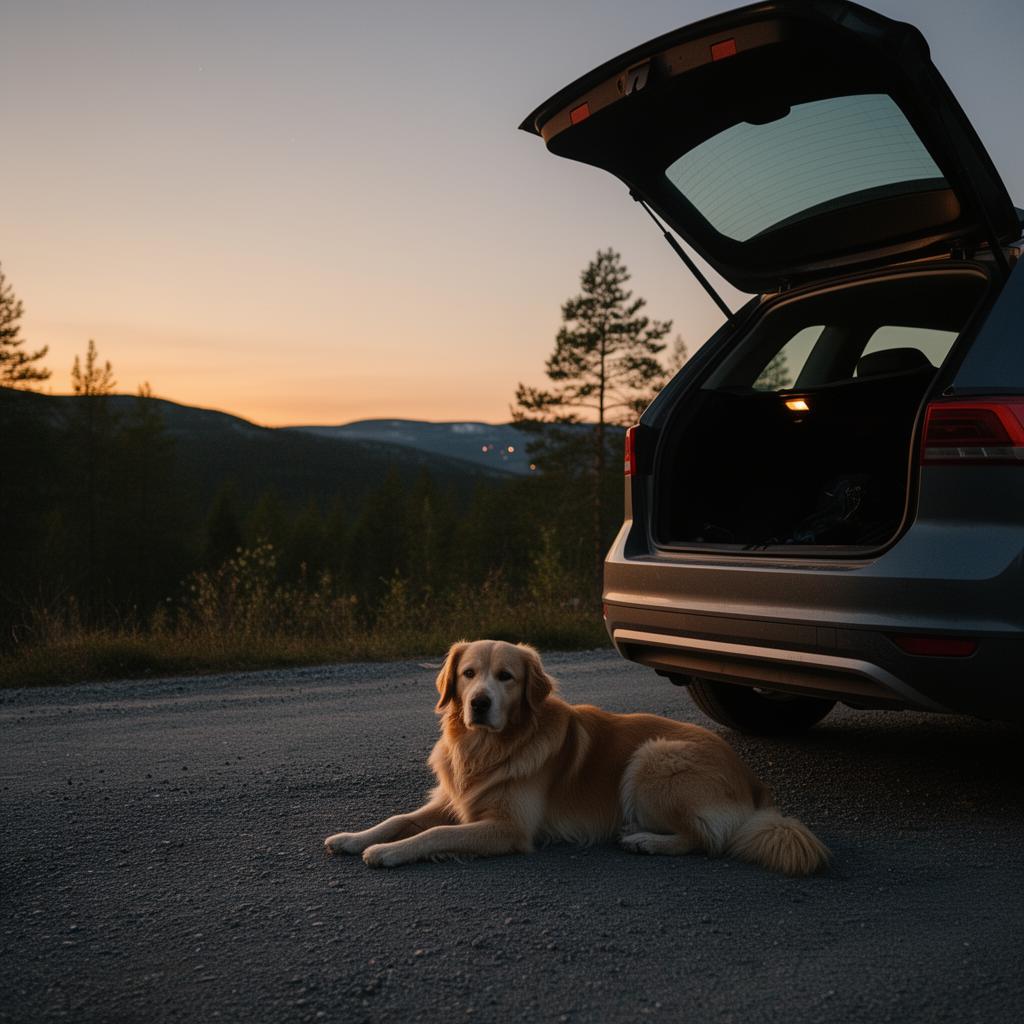
Retain what photographs miss
A picture rarely shows that shade lasted all evening, walking was easy or the dog settled immediately. Save those reasons after the stop.
FARON can hold the intended route and the journey that actually happened. In the car-holiday archive, record nights and pauses that worked for both of you and review them on the trip map.
That private history helps distinguish a merely acceptable place from one worth returning to.
Frequently asked questions
How often should I stop on a road trip with a dog?
Stop more often than you would without a dog and earlier in heat, traffic delays or restlessness, responding to the individual dog rather than a fixed formula.
What makes a good overnight place with a dog?
Lawful use, quiet, space, a practical final walk and surroundings where the dog can settle make a place useful.
How do I prevent the car becoming chaotic?
Keep everything needed for pauses, evenings and mornings together and accessible without unpacking the vehicle.
How can I remember which places suited the dog?
Save each place with a short note about shade, walking, noise and why the dog did or did not settle.