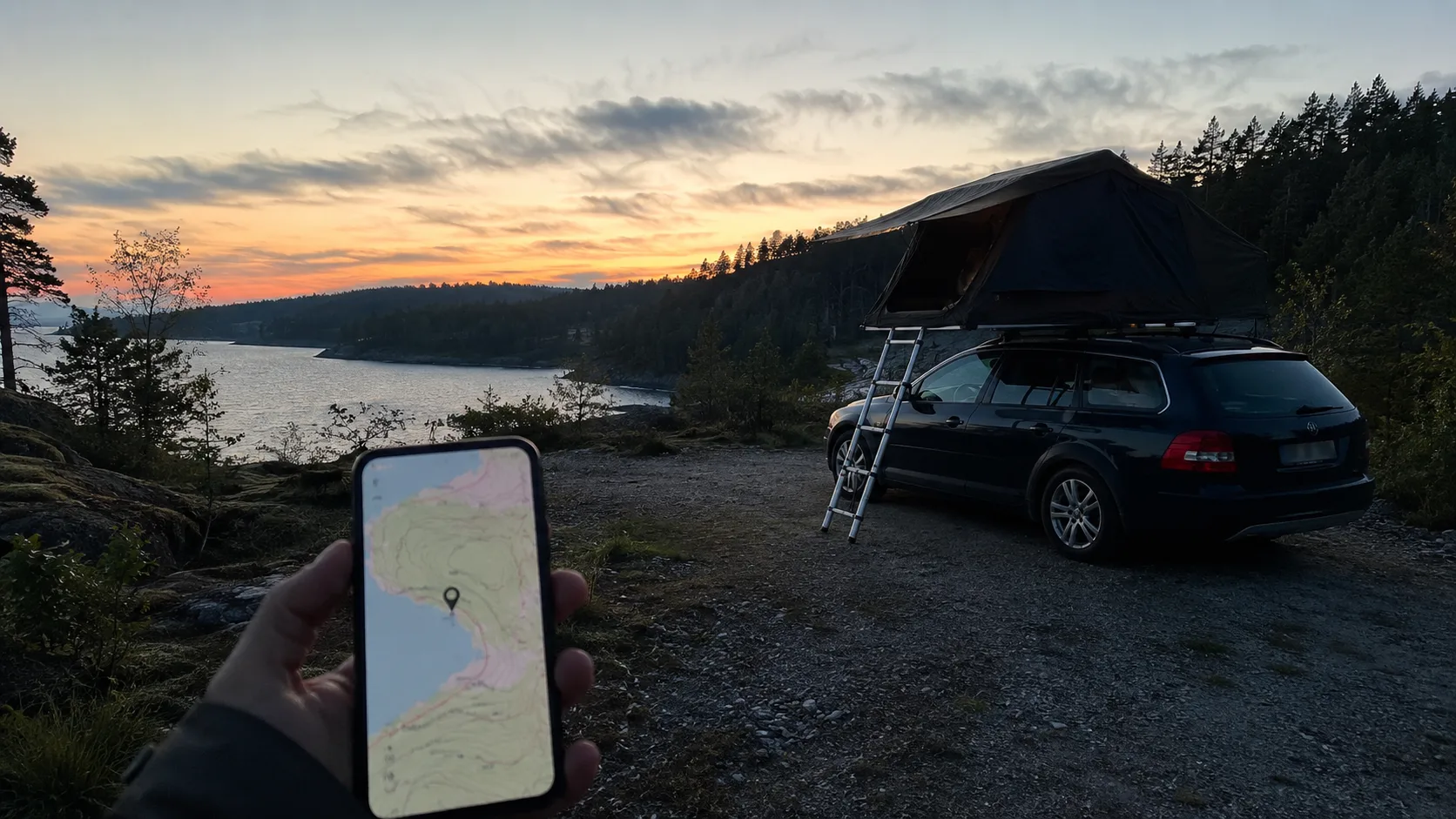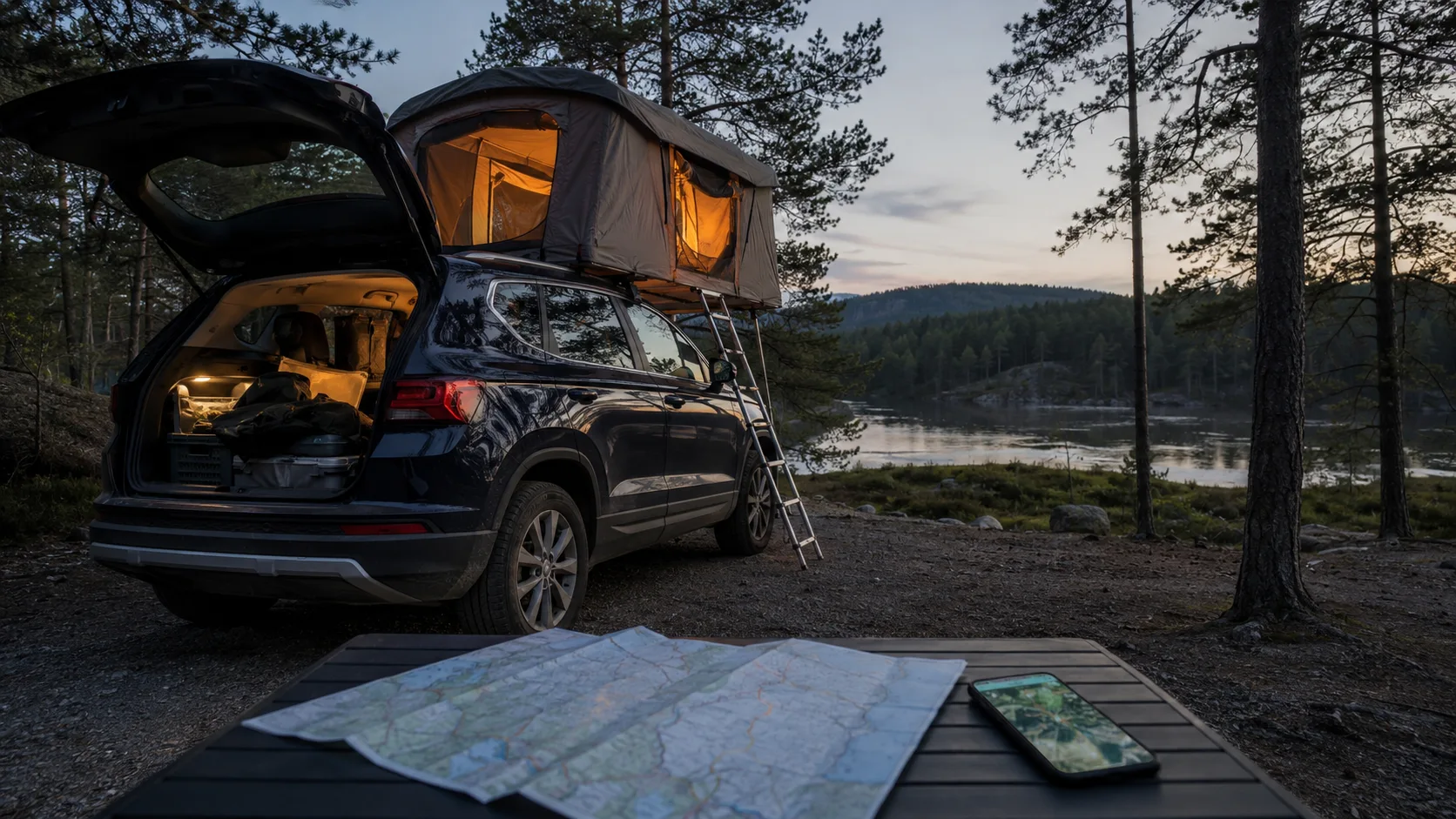
At 19:00, after an hour on gravel roads, the hoped-for lakeside turning area contains two vehicles and a new sign prohibiting parking from 22:00 to 06:00. The difference between a stressful evening and a calm one is the backup chosen before sunset.
Vehicle-based wild camping offers freedom only when the place, weather, resources and departure remain workable. Use this checklist before switching off the engine.
1. Read every sign
Local traffic rules, public-order regulations and posted parking conditions can restrict vehicle types and hours. An app listing or the absence of a prohibition sign does not mean driving, parking or overnight stays are permitted. A no-camping or vehicle restriction that applies to you means using the next option.
Sweden's right of public access does not give permission to drive or park motorhomes, caravans or vehicles with rooftop tents off-road. Grass, beaches and other natural ground count as terrain, and landowner permission cannot override a ban on off-road driving. Read the Swedish Environmental Protection Agency's guidance on motorhomes, caravans and rooftop tents before choosing a place to stay.
2. Check protected-area regulations
Nature reserves and national parks can have specific restrictions on parking, overnight stays, tents and fires. Read the exact County Administrative Board or municipal rules before departure and the signs on arrival. These apply alongside the usual requirements for lawful driving and parking.
3. Stay away from homes and working access
Keep your distance from homes and respect the domestic privacy zone. Always ask the landowner before placing a motorhome or caravan near a home, even for one night; permission does not replace the requirements for lawful driving and parking. Never obstruct forestry turning areas, farm work, rescue access, entrances or traffic, or create a traffic hazard.
4. Walk the surface
At a site where driving and parking are permitted, inspect the surface and exit on foot before moving a heavy vehicle. Rain can soften a gravel parking area; do not drive onto grass merely because it looks firm. Rooftop tents need level parking; levelling equipment also needs load-bearing ground.
5. Recheck wind and terrain
With a rooftop tent, avoid exposed parking areas in strong wind and old trees capable of dropping branches. Choose a more sheltered site where driving and parking are permitted. Consider rapid water rise, cold air in low ground and whether the morning exit survives more rain.
6. Keep two or three alternatives
A blocked, occupied or unsuitable first choice should lead directly to another lawful site. Searching after dark encourages poor decisions and excuses.
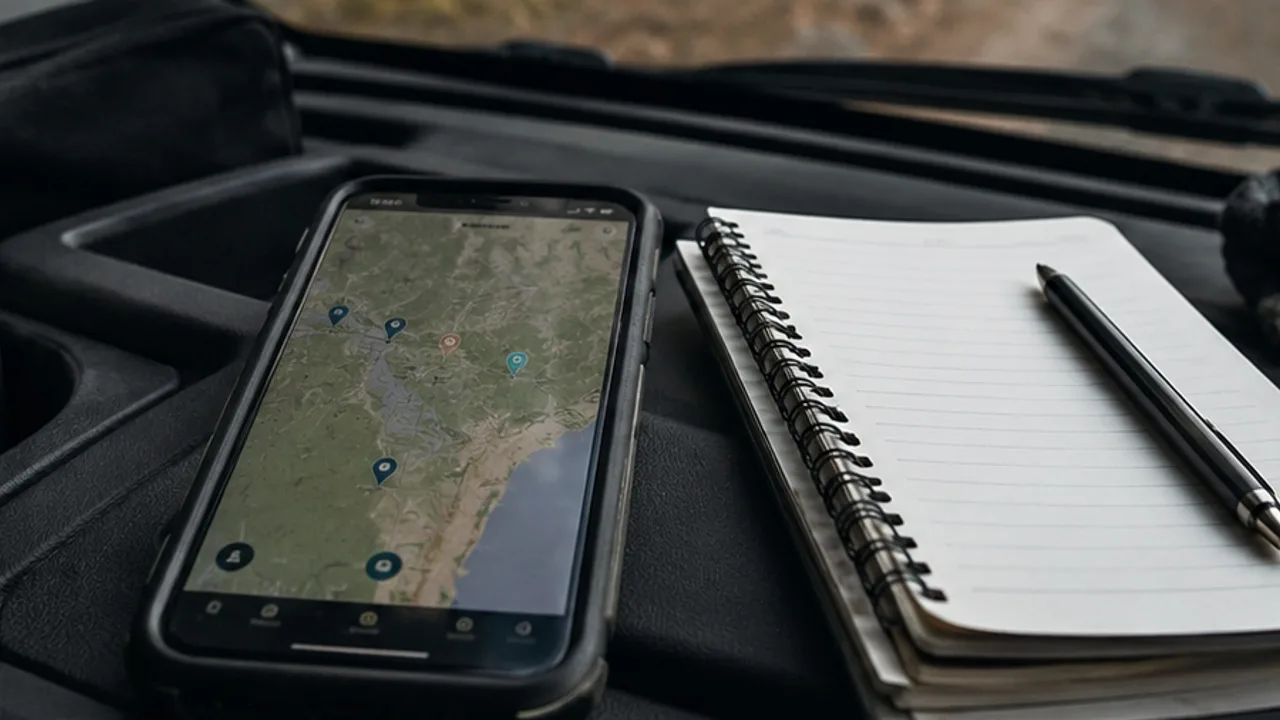
7. Arrive in daylight
Daylight reveals stumps, sharp rocks, nearby homes and signs that the space is used by timber vehicles. It also leaves time to depart before fatigue changes the standard.
8. Carry verified water and safe cooking
Fill water before entering a remote area and carry a margin for delay. Use cooking equipment on a stable, fire-safe surface and follow every current fire ban. Extreme restrictions can affect equipment normally considered contained.
9. Plan toilets and wastewater
Chemical toilets and tanks belong only at designated disposal stations. Follow current official outdoor-toilet guidance when no toilet exists, far from water, paths and buildings, and carry out wipes and rubbish. Never empty grey water into nature merely because it looks harmless.
10. Leave no rubbish
Store waste in sealed containers, carry everything out and make a final circuit around the vehicle. Removing existing litter as well helps preserve the place and local trust.
11. Download offline maps
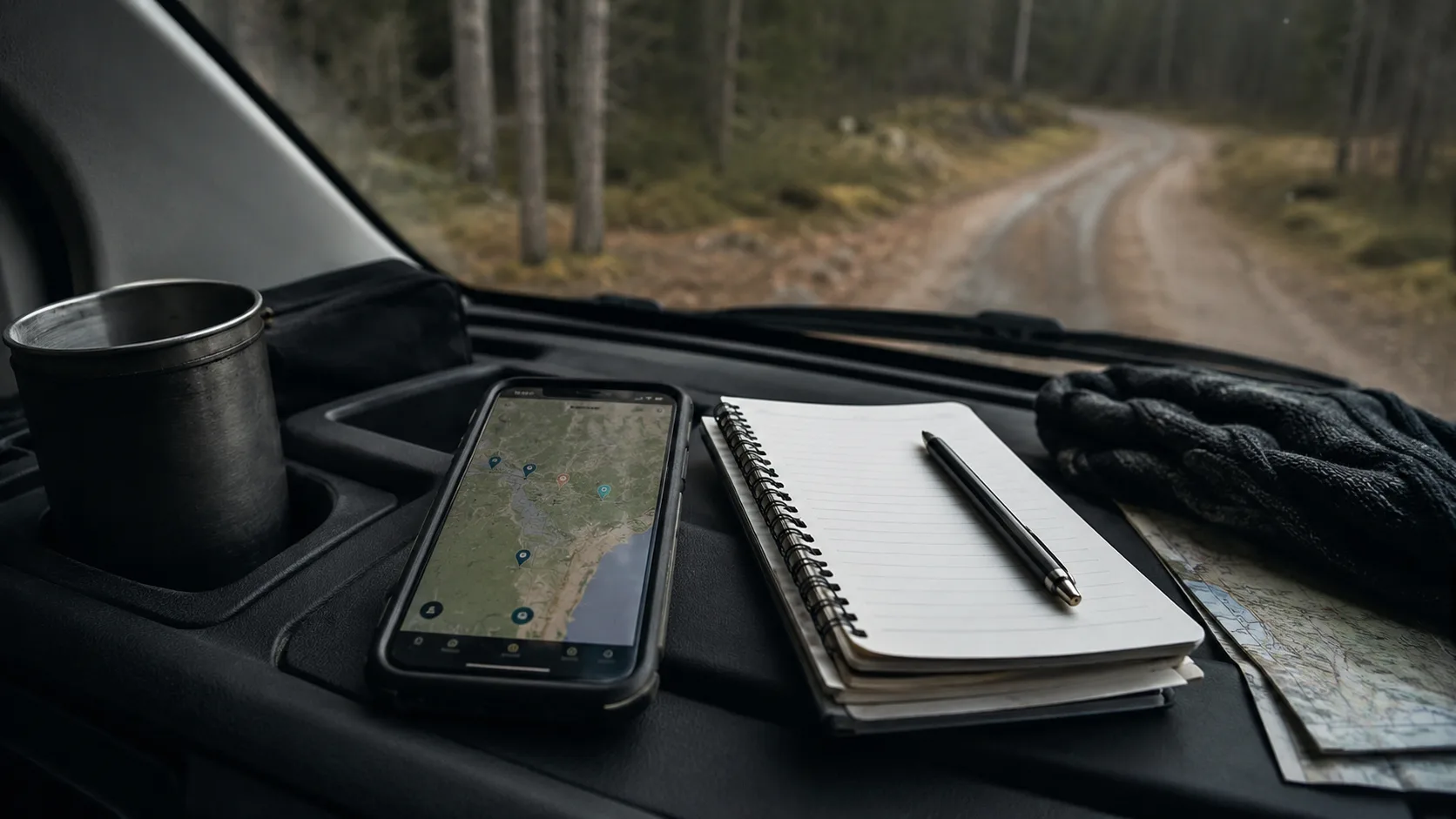
Mobile coverage can disappear between forest hills. Download the whole area and the route to every backup before leaving reliable service.
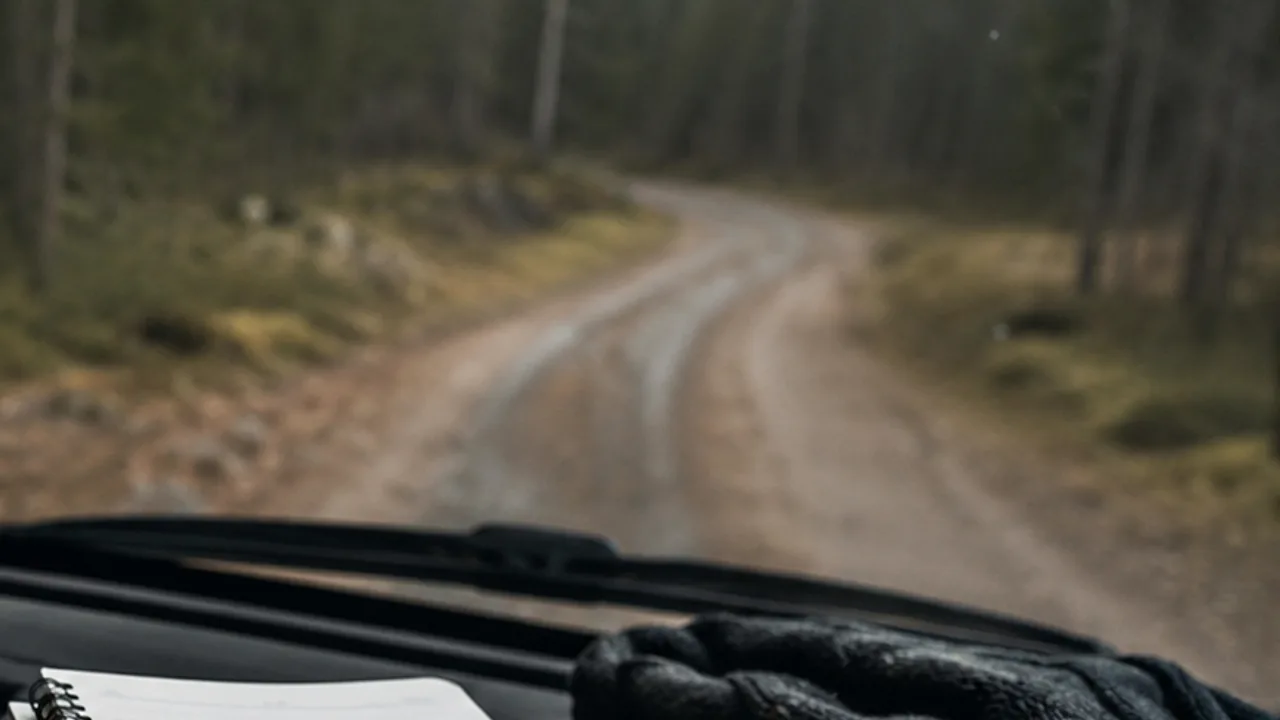
12. Preserve your own evidence
Save possible places under Saved places and put backups into an upcoming trip. After the night, record slope, surface, wind, signs and departure on the private trip map.
FARON does not grant permission and cannot replace the sign, landowner, current regulation or site assessment. Continue with the Swedish rules, place assessment guide and private-map guide.
Frequently asked questions
What is the difference between wild camping and vehicle-based free camping?
Wild camping traditionally means carrying a ground tent into nature; vehicle-based nights depend first on lawful driving and parking. The right of public access allows a few ground tents for a short stay of a day or two, with consideration for the place and local rules; it grants no equivalent right to park motorhomes, caravans or vehicles with rooftop tents.
May I stay on a forestry turning area?
Only if access and parking are permitted and the vehicle cannot obstruct forestry, rescue or turning operations. Many are unsuitable. Private-road owners can prohibit motor traffic, and posted parking conditions and local regulations can restrict stays.
How long may I remain?
At rest areas, stays are generally limited to 24 hours on weekdays and until the next weekday on Saturdays, Sundays and public holidays, unless other rules apply at the site. The Swedish Environmental Protection Agency specifies no separate time limit for parking beside a road on ground that is not terrain, but access and parking must be lawful and applicable parking rules and local conditions still apply. The short-stay guideline for ground tents gives no right to park vehicles off-road.
What can happen if I ignore a local prohibition?
Unlawful parking can result in a parking penalty or charge, and breaching a local camping prohibition can result in a fine. Illegal off-road driving or damage to land can lead to a police report and fines.