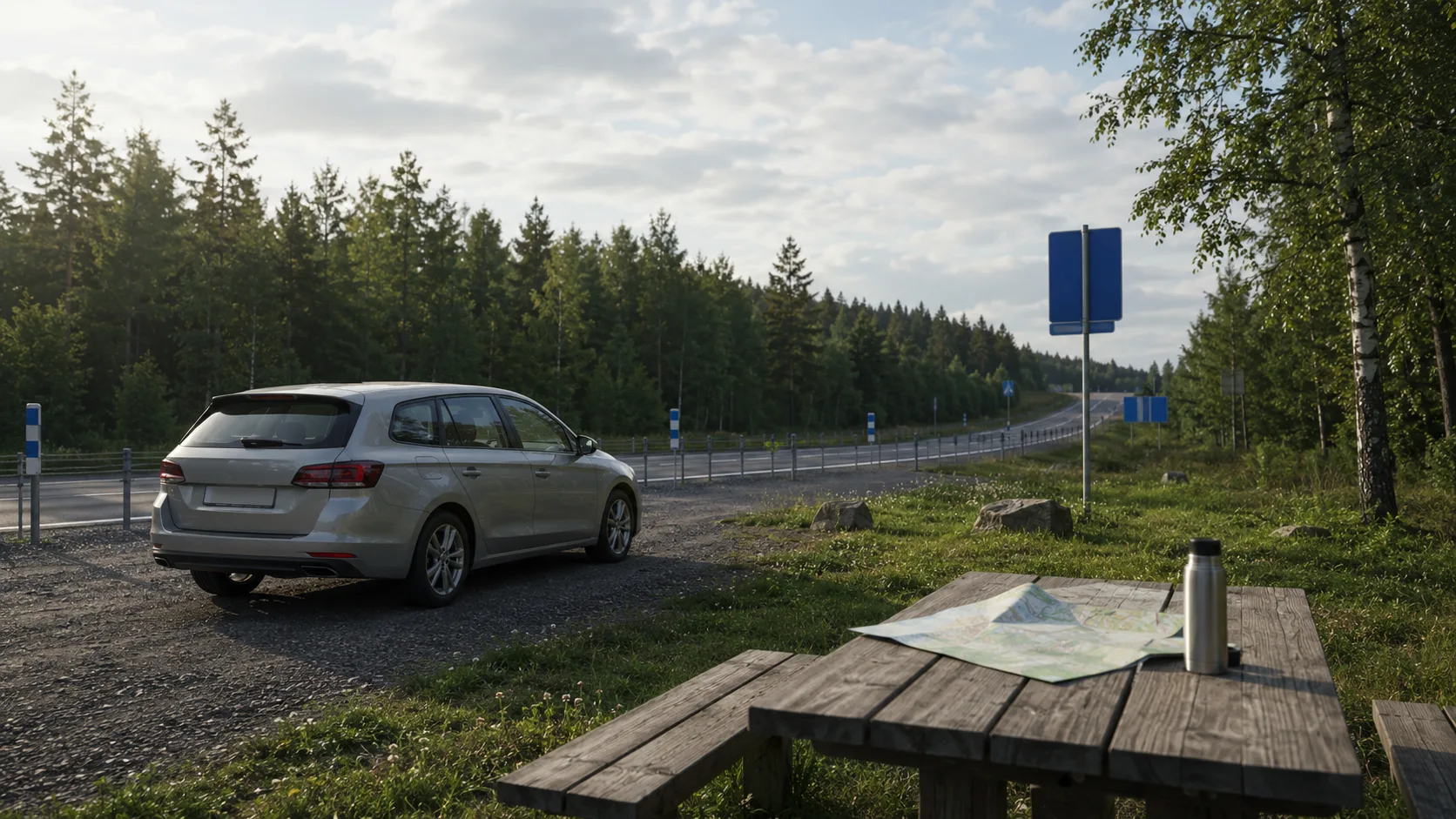
Energy. Nights. Food. Charges. A useful budget lives in the details. A Stockholm–Mora–Östersund–Stockholm example already covers about 1,150 kilometres before local detours.
Build the budget from the route, vehicle, nights and travelling group. A daily average says little until you know whether the journey uses an efficient electric car and packed food or a motorhome, campsites and restaurant meals.
Begin with distance, not a daily allowance
Plan the route first. Budget second. Local journeys around Siljan, supermarkets, viewpoints and changed roads come on top of the main 1,150 kilometres.
Put the stops into an upcoming trip and use realistic driving days before attaching prices.
Calculate fuel or charging
For petrol or diesel, use distance × real consumption × current price. A 1,150-kilometre journey at 6.5 litres per 100 kilometres requires about 74.8 litres. Multiply by the price you genuinely expect instead of an old national average.
For an electric car, use distance ÷ 100 × real kWh/100 km × charging price. At 20 kWh/100 km, the example consumes about 230 kWh. Home charging, subscriptions, charging losses and several operators can change the result substantially.
Build a mix of nights
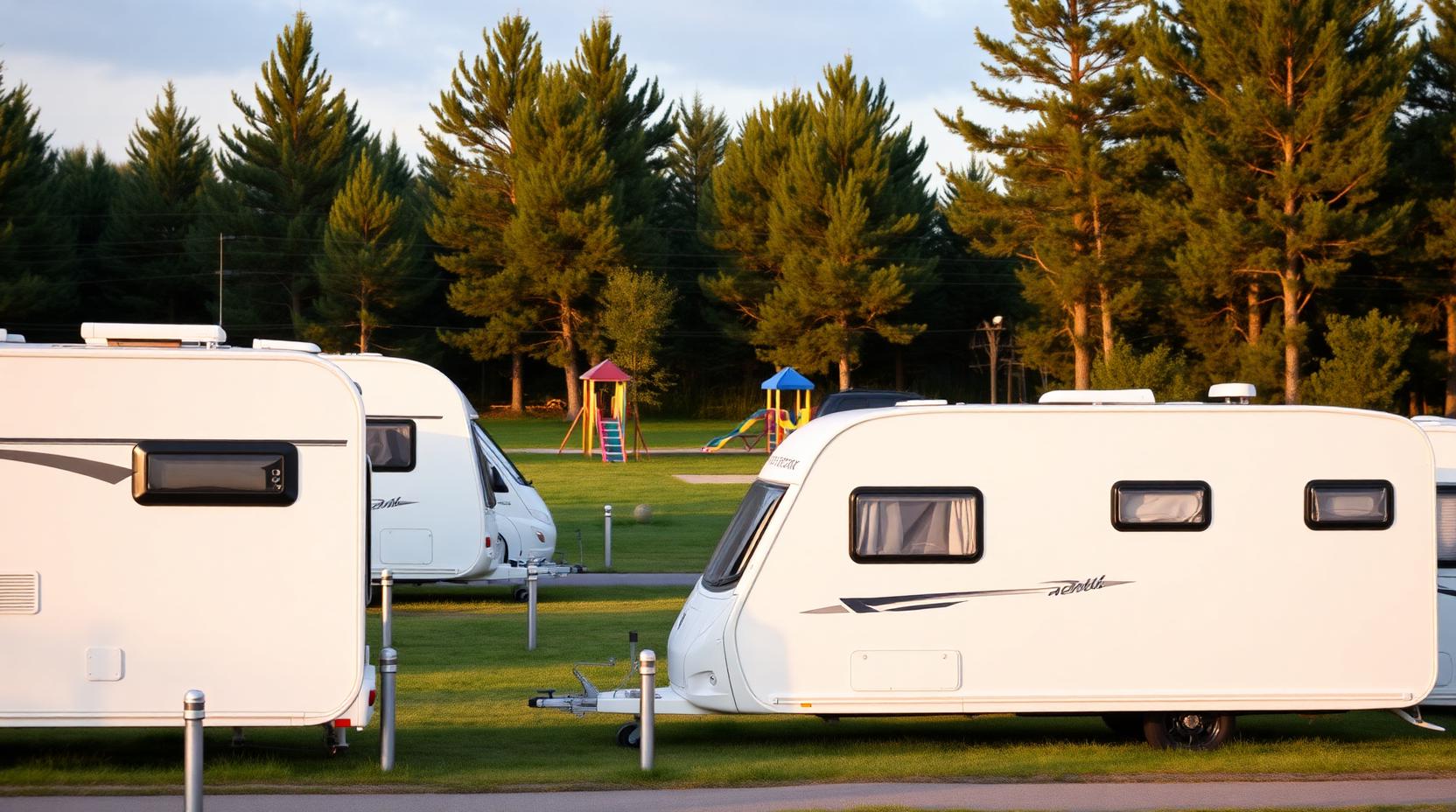
Six nights need not mean six equal payments. A van or motorhome route can combine campsites, motorhome stopovers and other lawful options; a car trip may mix hotels, hostels and cabins.
Price each actual date and place. Do not assume that a car park permits or provides a free overnight stay. Compare the service in campsites and motorhome stopovers.
Budget the extra food cost
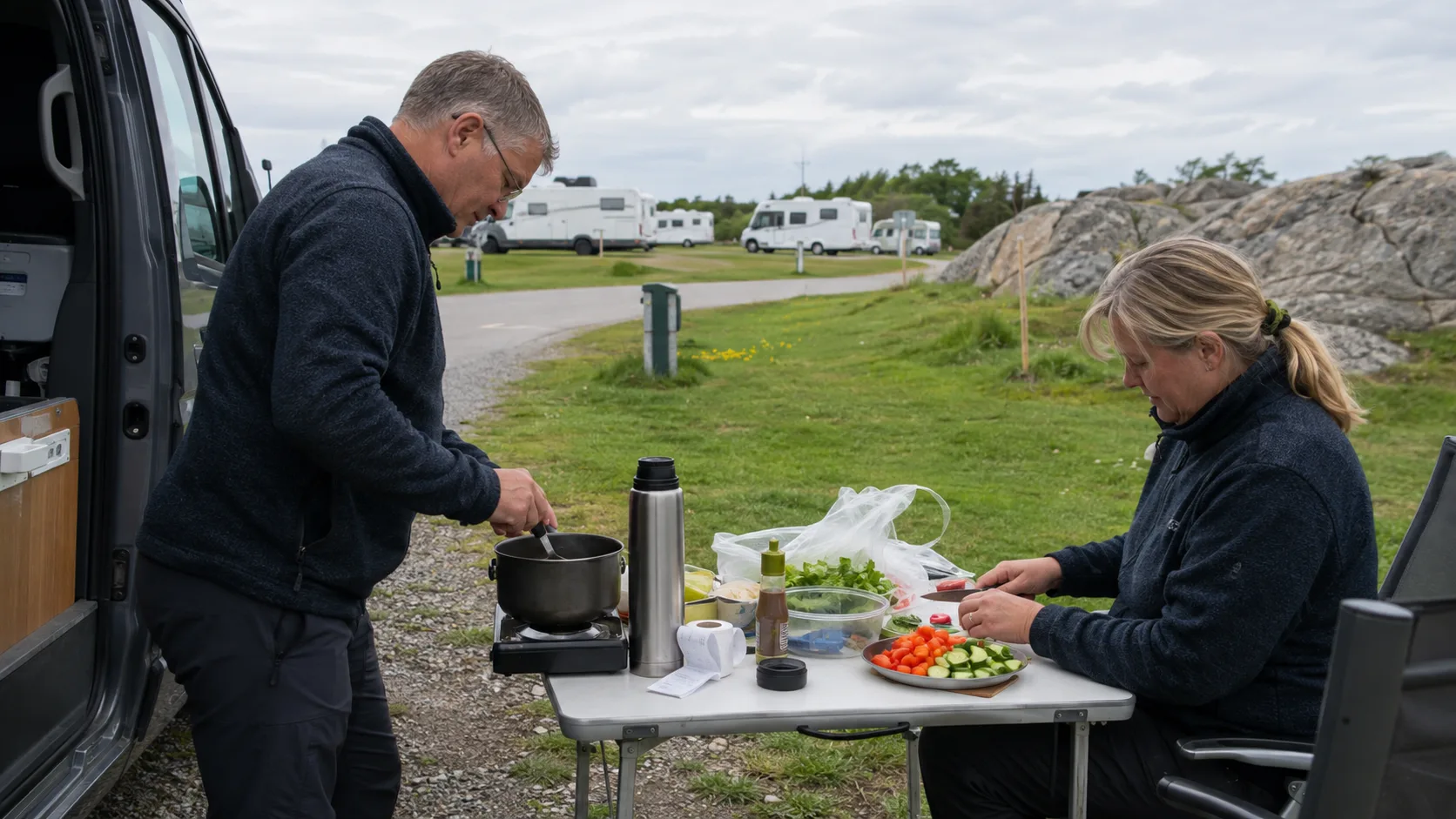
Some travel groceries replace food that would have been bought at home. Start with your normal food spending, then add the holiday premium: restaurants, fika, ice cream, roadside fast food and small petrol-station purchases.
Small stop. Small receipt. Seven days later, those purchases can exceed the planned dinner.
List ferries, bridges, taxes and parking
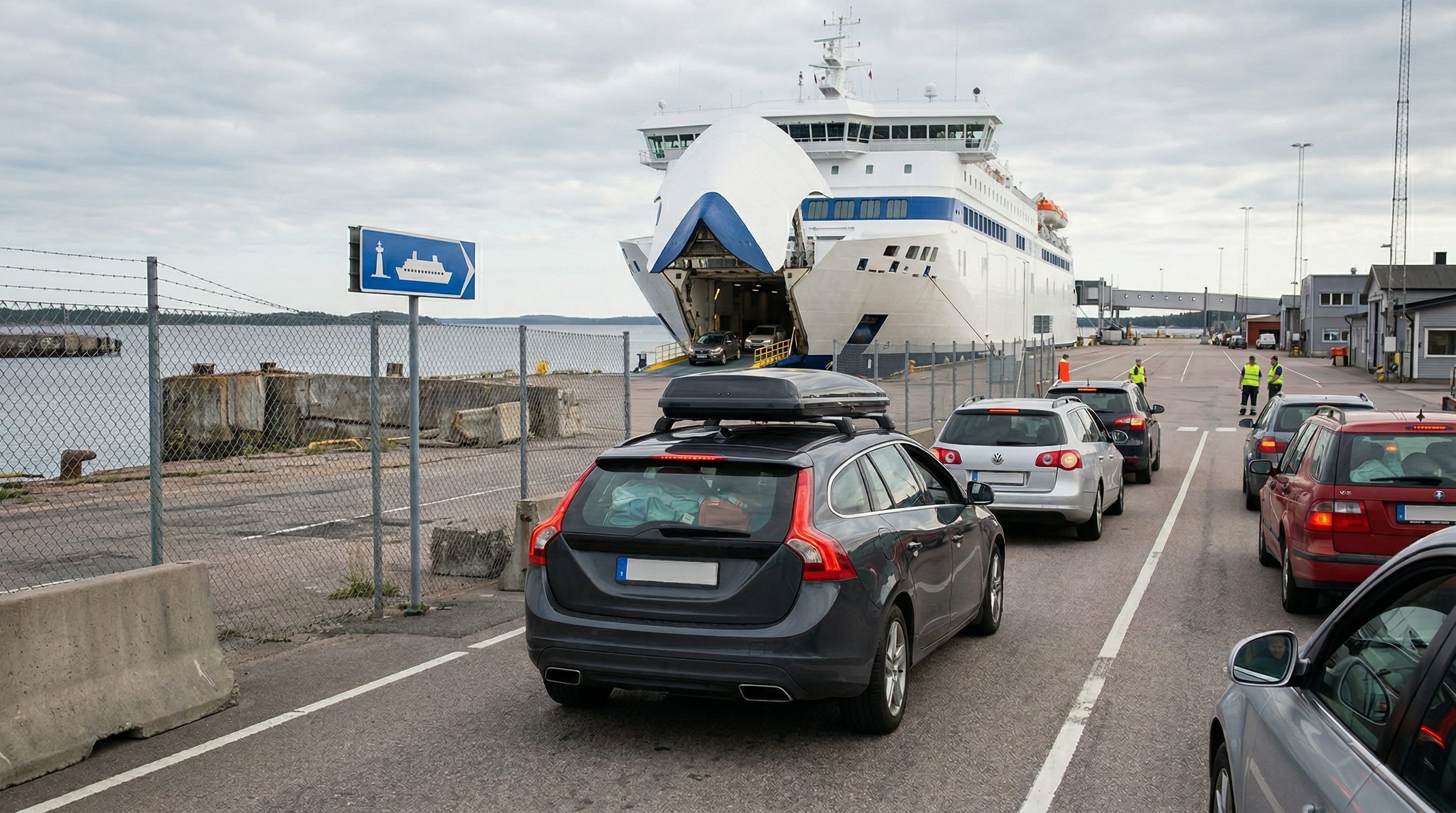
Start this category at zero and fill it from the route. Ferry prices depend on the sailing, vehicle length and ticket terms. Bridge tolls, congestion taxes and city parking may be small individually but need explicit lines.
For Gotland, check the current sailing through the Gotland ferry cost guide rather than reusing a historic package price.
Give activities their own category
Museums, canoe hire, lift passes and booked activities disappear inside “miscellaneous” unless named. Check the operator's date-specific price and keep a separate amount for spontaneous choices.
Compare three versions of the same journey
Use a lean, normal and comfortable version. Keep the route constant, then vary overnight choices, extra food, activities and reserve. The resulting daily figure is a consequence of those decisions, not a universal road-trip price.
| Seven-day category | Lean | Normal | Comfortable |
|---|---|---|---|
| Energy | Actual estimate | Actual estimate | Actual estimate |
| Nights | Basic mix | Mixed | More serviced |
| Extra food | Mostly self-catered | Some meals out | Frequent meals out |
| Activities | Selected | Planned allowance | Broader allowance |
| Reserve | Explicit | Explicit | Explicit |
Keep the reserve visible
A separate reserve distinguishes planned spending from room for a changed overnight place, missed booking, extra charging or repair. No universal percentage guarantees enough; choose it from vehicle, duration and booking flexibility.
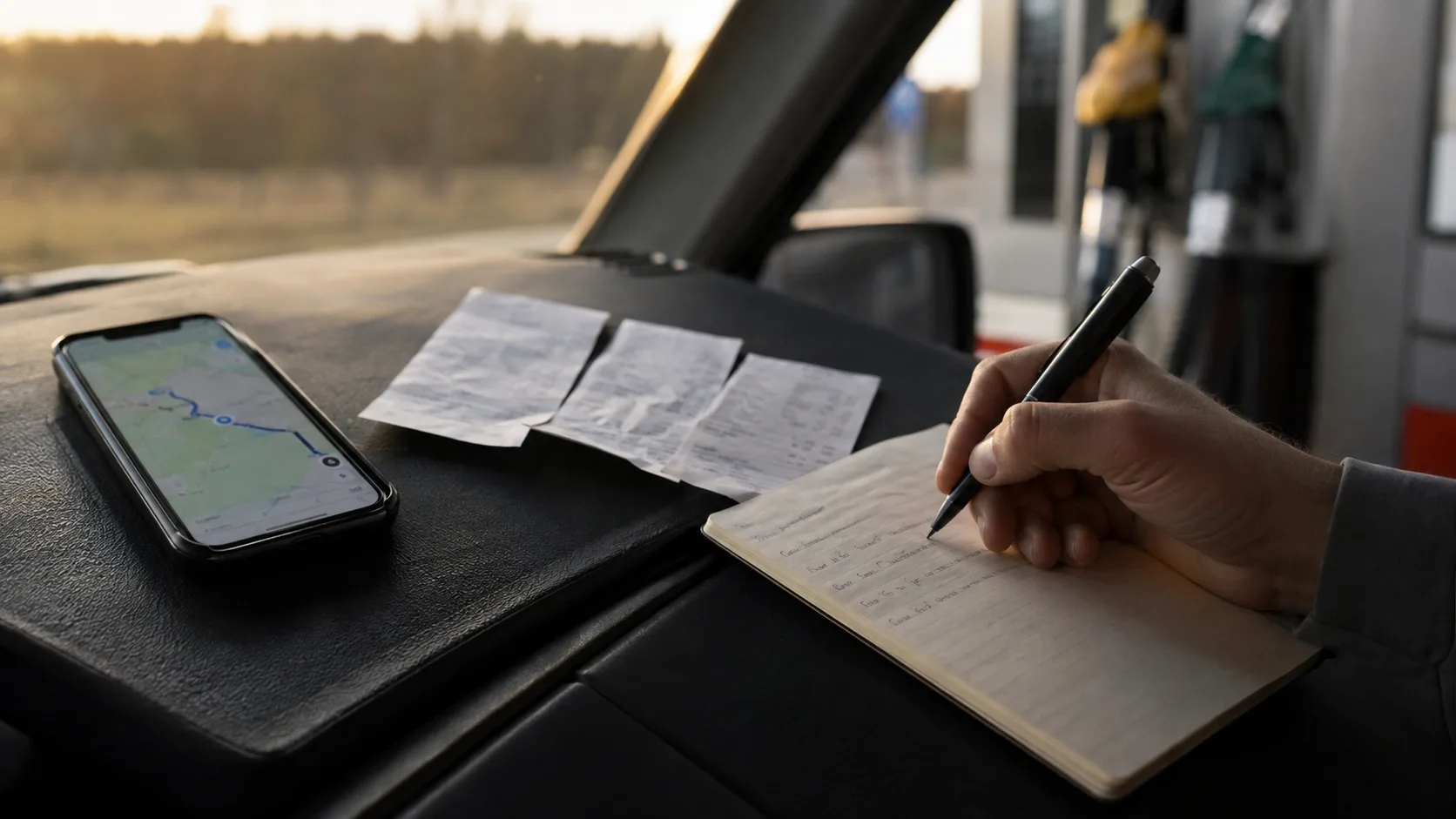
Record the deviation each evening
If a day planned at SEK 850 ends at SEK 1,140, save why: a different overnight site, 46 extra kilometres and higher parking. The cause is more reusable than the bank total.
FARON does not connect to bank transactions or provide live prices. Keep the day's distance, energy, night, food, charges and short explanation with the private trip. After several journeys, your own vehicle and habits provide the strongest next budget.
Frequently asked questions
How much does a road trip cost per day?
Calculate the complete route, vehicle, nights and group first, then divide the total by the number of days for comparison.
How do I estimate fuel or charging?
Multiply distance by the vehicle's real consumption and the current price you expect to pay.
How large should the reserve be?
No standard reserve always works. Base it on duration, vehicle, booking terms and your ability to absorb an unexpected cost.
Which road-trip costs are commonly forgotten?
Extra kilometres, parking, tolls, rebooking and small purchases; vans and motorhomes may also add gas, showers, laundry and service.