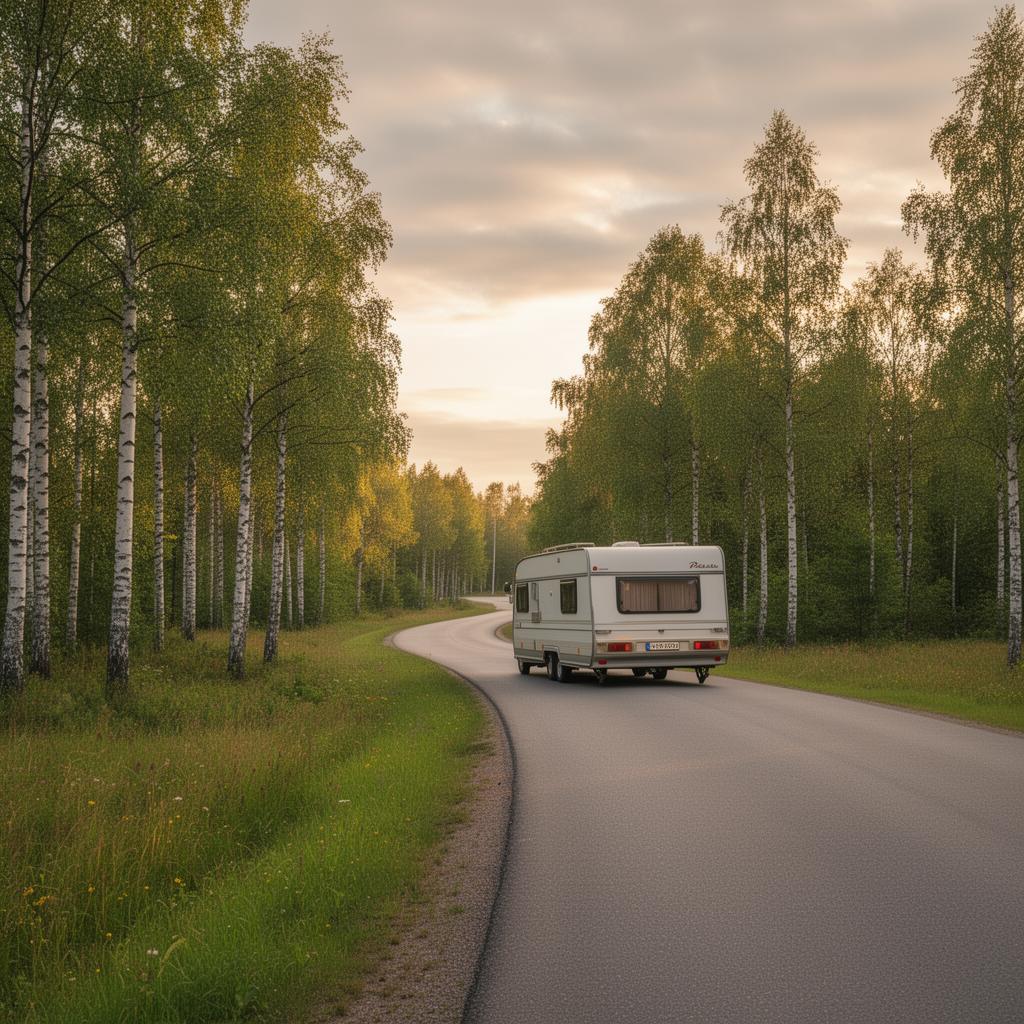
A caravan holiday often begins long before the hitch meets the tow ball. It starts with a map of the coast, the smell of pine forest and the hope that summer will move at a different pace from the rest of the year. Once the wheels begin to turn, however, the journey is no longer only about the destination. It occupies the peculiar space between movement and stillness.
There is a particular atmosphere inside a towing vehicle. Everything moves a little more slowly, feels a little heavier and often works a little better once you accept the conditions. The caravan quietly reminds you that you are not merely travelling. You are carrying your home, your mornings and your living space.
On good days, the holiday begins with the first gear change. On difficult ones, the road feels like a long wait to arrive. The difference lies in how you live with the journey.
Let the road become part of the holiday
Planning at the kitchen table tends to centre on the destination: a specific campsite, a hidden bay or a town you have always wanted to visit. A caravan holiday rarely feels like a straight line between two points. You experience the road surface through the vehicle, the conversation changing after three hours and the particular tiredness that comes from towing.
A caravan changes your relationship with the map. A spontaneous detour that is simple in a car becomes a project. A narrow, charming gravel road can become a long reverse accompanied by sweat. Yet the limitation has value. It makes you notice each day as it happens. The outfit sets the pace, and summer has to follow.
Learn the quiet choreography of arrival
One moment defines every day: the engine stops and silence takes over. You sit for one extra second and ask yourself whether this is the right place.
Then comes the wordless choreography familiar to caravan owners. Corner steadies go down, the hook-up cable comes out and the air inside the caravan is exchanged for the smell of the new place. Nothing dramatic. Everything important. This is where the mood of the evening is decided.
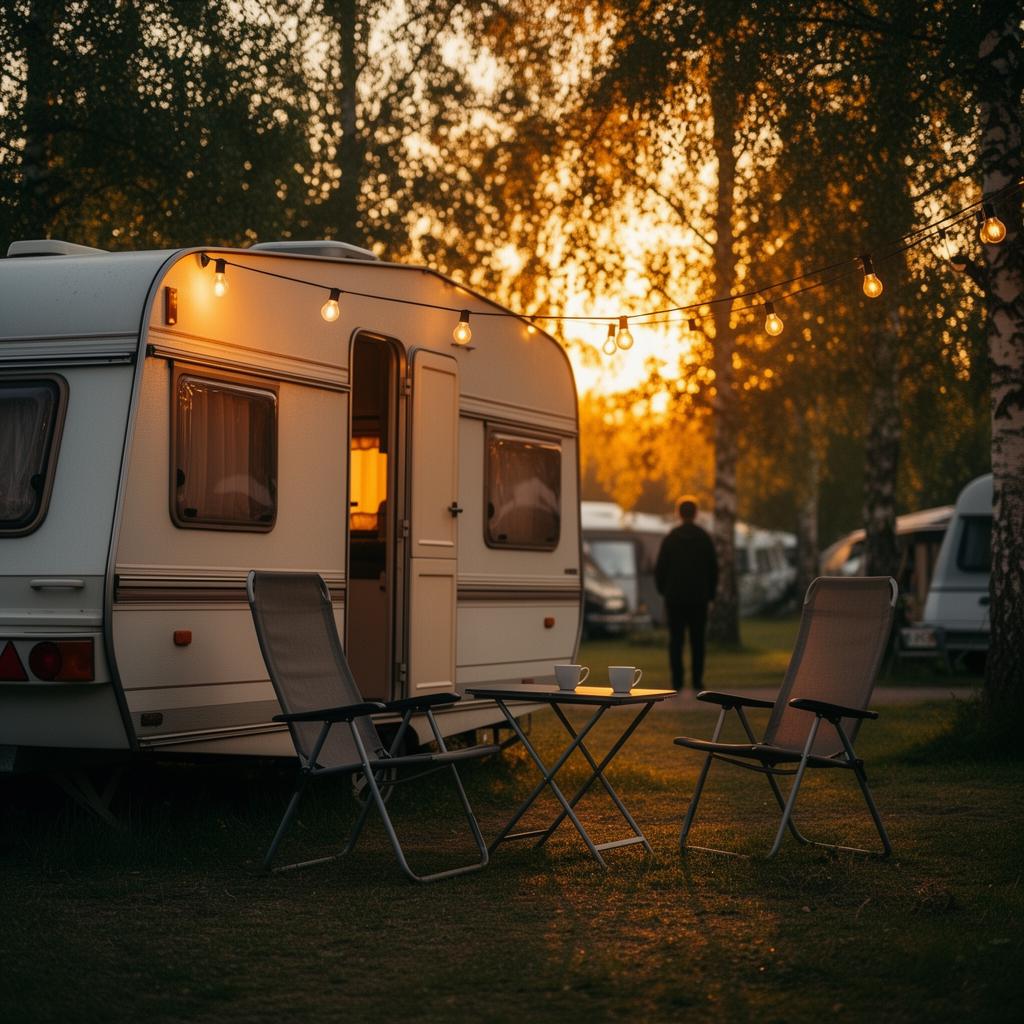
When pitching goes smoothly, you settle sooner. When the ground slopes too far or hungry children are waiting, the strain lingers long after the awning is up. The task is to move from transport to home in less than 30 minutes. Once the chairs are out and the windows open, you have not merely stopped driving. You have arrived.
Look beyond the photogenic pitch
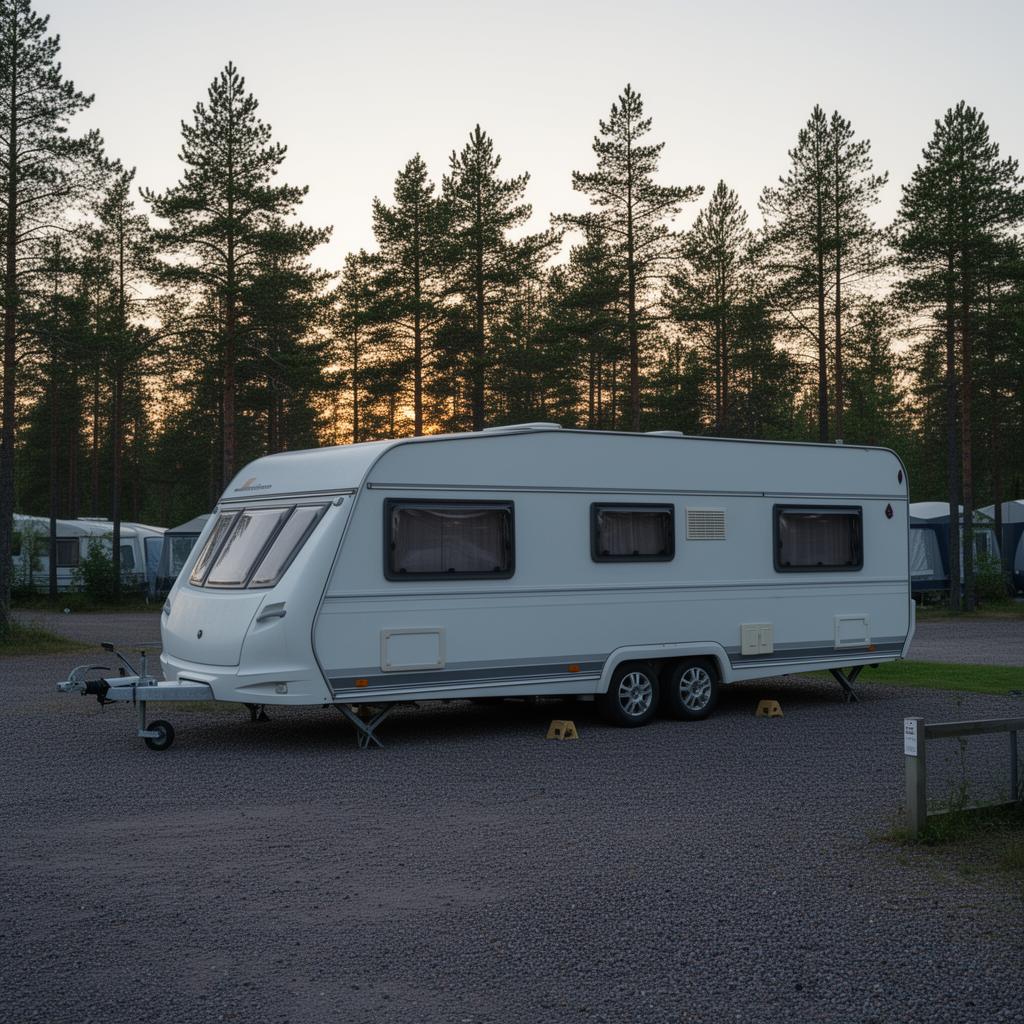
A beautiful view does not guarantee a good evening. A pitch can look magical in a photograph and be awkward in practice: wind from the wrong direction, a service building just too far away or ground that never lets you relax.
The best places are often understated. A quiet forest clearing with shelter and level ground can beat an exposed headland where the wind pulls at the door. After a few summers, you learn to notice invisible qualities. How will dinner work here? What will the ground feel like tomorrow morning?
Allow three days to find the rhythm
Many people expect the holiday to start at the property boundary. In reality, caravan rhythm often takes two or three nights. That is how long the brain needs to stop looking for cutlery in the wrong cupboard and the body needs to accept that everything takes more room and time.
At first, caravan life can feel laborious because you are trying to maintain an everyday pace in a setting that requires another one. Then the rhythm arrives. Morning coffee becomes automatic, everybody learns how to move without colliding and the urge to hurry towards the next stop fades.
Separate last summer from three years ago
These summers merge quickly. You remember light over a lake or rain against the roof, while useful details fade. What was the small nature campsite where everything worked? Which road avoided the queue?
Valuable experience often becomes “somewhere in Småland”. You learn exactly how your party likes to travel but, without a place to record it, you start guessing again next summer.
Keep a private archive of the road
FARON gives a completed caravan journey one clear home. Instead of scattering the experience across forgotten camera rolls and vague memories, you keep it in a private travel archive. It is not about adding screen time. It is about keeping your history together.
Save more than a photograph while travelling. When you log trips, record why a pitch worked or why you decided to keep driving.
Afterwards, watch the summer take shape on your trip map. If you already think in places and nights, a camping app can keep those moments close at hand.
The private archive tells you which pitch to book again next year and which one to avoid. Explore FARON for caravan travel, or read how to remember where you camped. When you are ready to build your own history, sign in.
FAQ
How far should I tow a caravan in one day?
Aim for roughly 300–400 kilometres if the roads and your experience allow it. That makes meaningful progress without turning arrival into a race against tiredness and darkness.
What matters most when choosing a caravan pitch?
Prioritise shelter and level ground over the view. A calm night is usually worth more than a photogenic but exposed position.
Do I need to book every stop in advance?
No. Booking a few anchor points while leaving the days between them open gives you both security and room to change the route.
How do I keep track of favourite caravan sites?
Record them while the details are fresh. In FARON, you can save routes, notes and specific places so that next year's plan starts from your own experience.
The guide to your first trip in FARON shows how to save a caravan journey step by step.