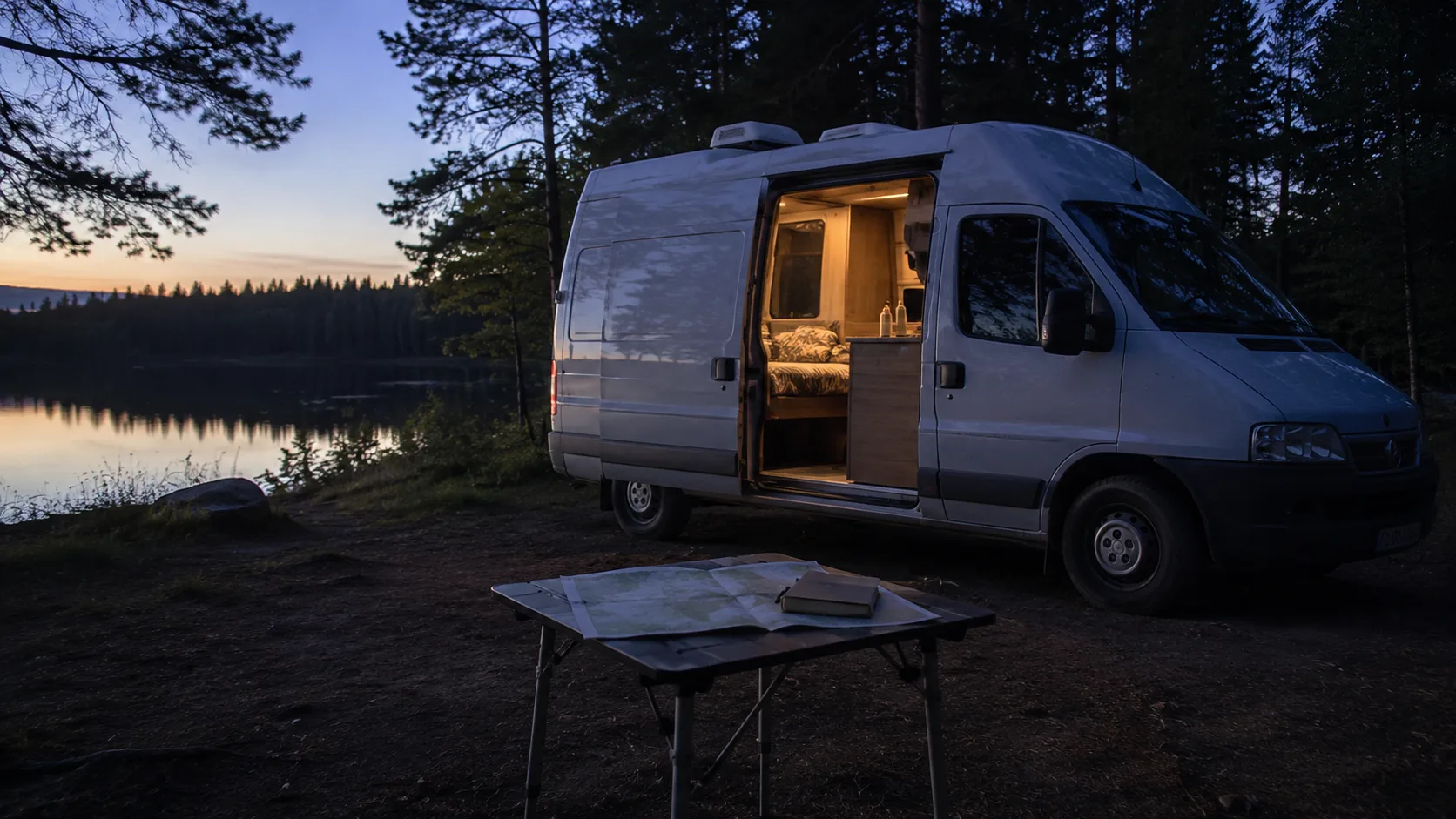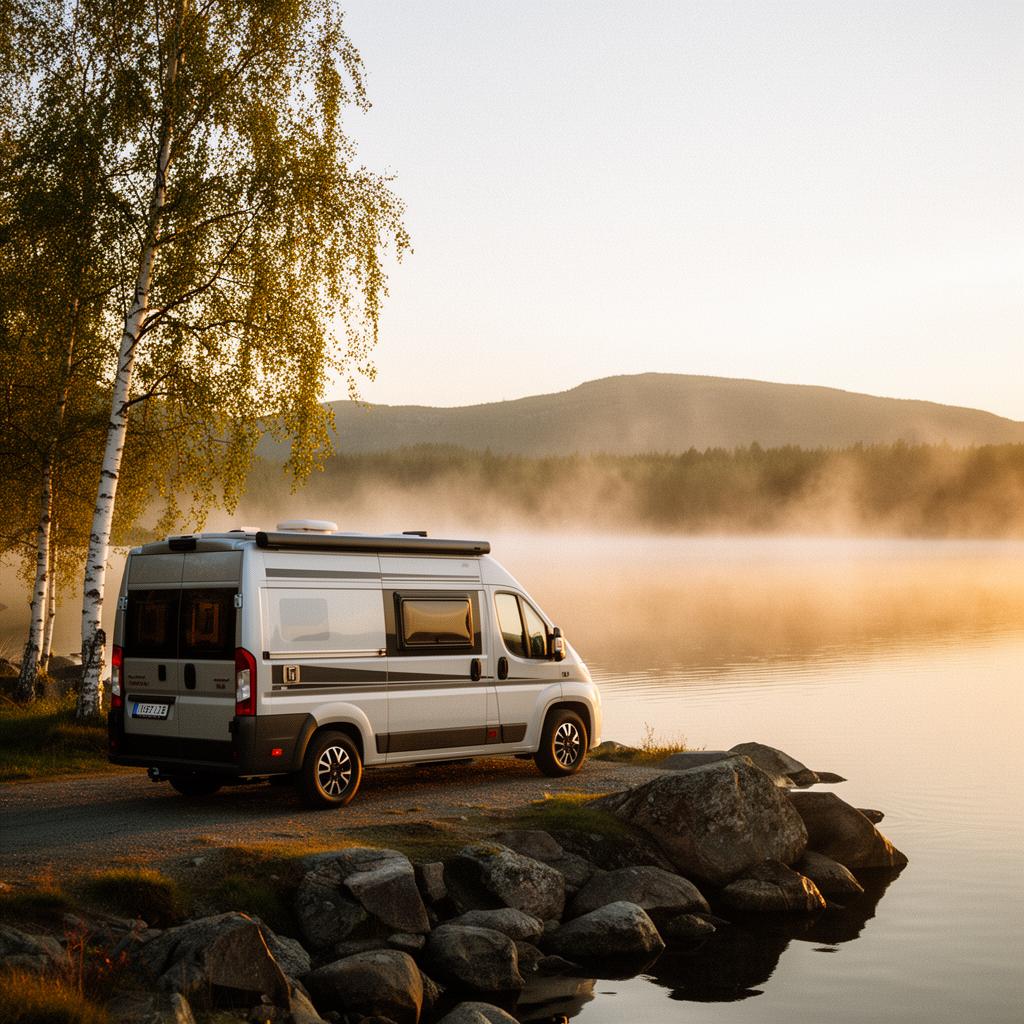
When the van is unpacked, the season's photographs remain on your phone, but the next trip is still undecided. More short weekends or one longer journey, the same coast or more time inland: review what you actually did before filling the next calendar.
Gather the season without filling every gap
List trips with approximate dates and areas. Use photographs, your own notes and bookings to find their order. If you cannot remember an overnight place, leave it unknown; that need not prevent a review of the rest.
Put longer journeys beside short weekends. A trip close to home may have provided more free time than a journey with many driving days. Compare how you spent the days, not only how far away you went.
Read what made daily life easier or harder
Choose stays you would repeat and others you would change. Write down why before looking at the next destination. Perhaps you stayed long enough for an outing, had to drive to buy food every day, or had to move wet clothes to make the bed.
This fictional example shows how a memory can become a decision:
| Trip note | Possible change | Check before the next trip |
|---|---|---|
| We drove on every morning and missed the trail we had chosen. | Stay several nights near the walk. | Is there a permitted overnight place allowing that length of stay? |
| Wet jackets covered the food when the bed was unfolded. | Find a separate place for wet clothing. | Try the evening layout at home with the bed made. |
| We enjoyed the coast but had no food for the next day. | Plan shopping before arrival. | Which shop will we pass and when is it open? |
Choose what to change before departure
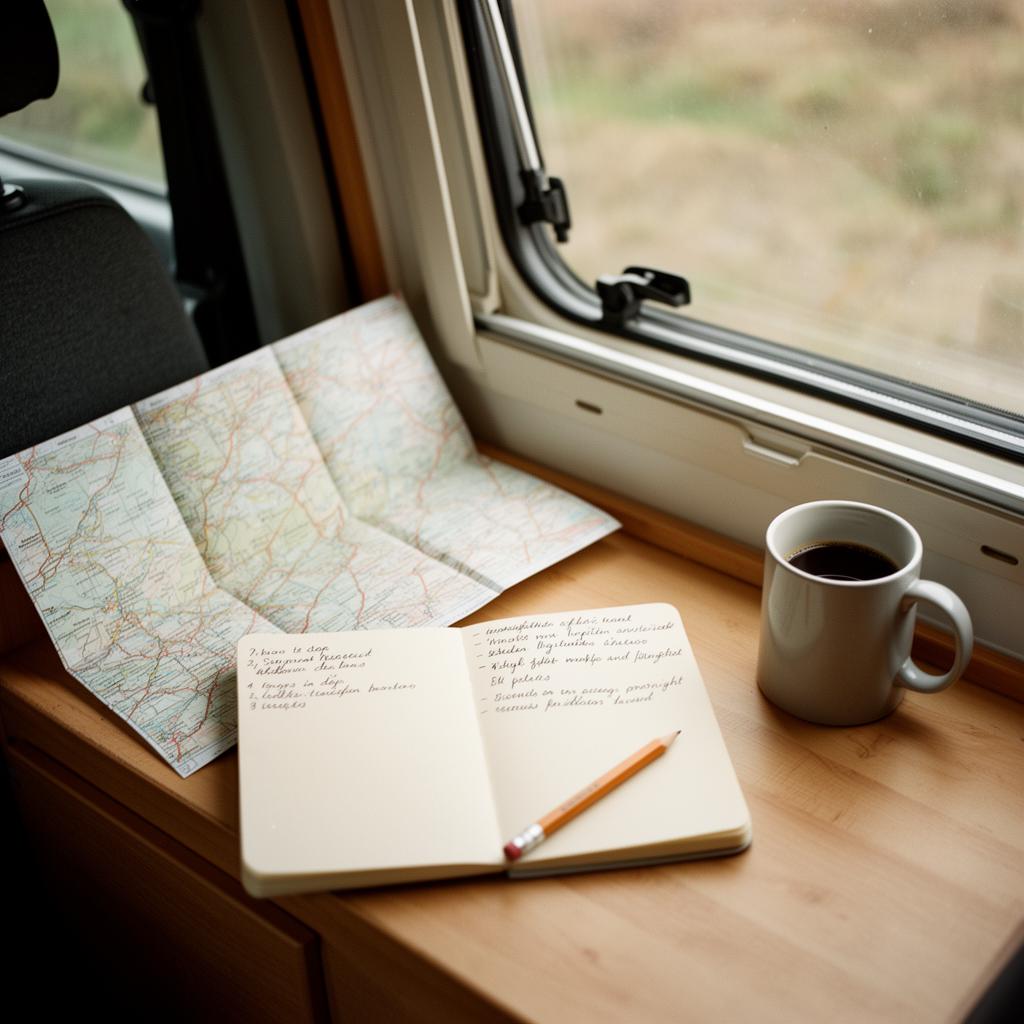
Keep personal preferences separate from faults that need repair or qualified attention. A heater fault should not disappear among wishes for better storage. Write down what must be resolved before using the van again and follow the equipment instructions.
For everyday problems, choose one change to try on the next short trip. Repacking everything at once makes it harder to tell what helped. Keep what worked and note the result after the trial.
Choose return visits for the new trip
An overnight place that suited a solo weekday stay may not suit a weekend with company. Read your notes and compare them with who is coming and how long you want to stay. Check current conditions with whoever manages the place before relying on a return visit.
If you travelled together, each person can choose something to repeat and something to change before comparing answers. The same trip may have suited you differently. Keep both preferences where they differ.
Keep the decision with the trip
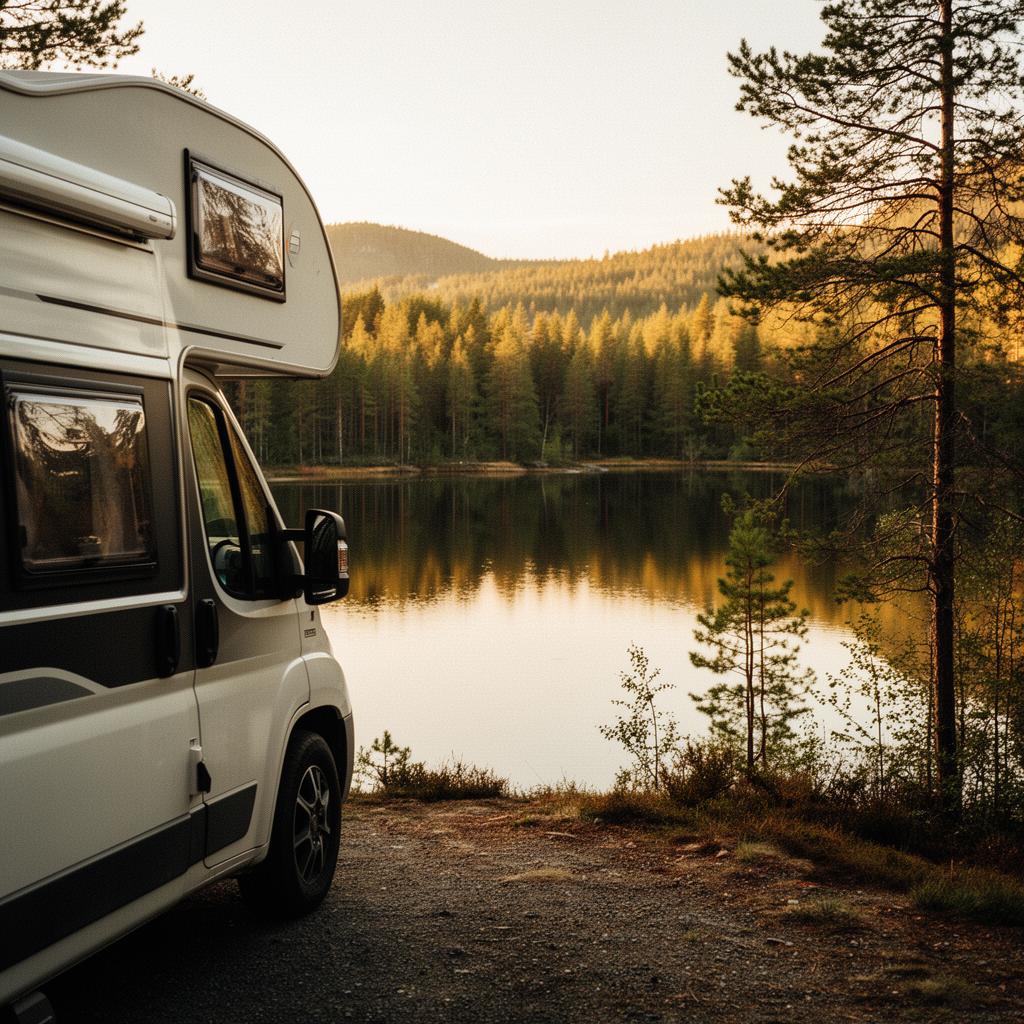
By the next planning session, “stay longer” is easy to forget. The note about the missed walk explains why you wanted to. In FARON, photographs, overnight places and your own notes can stay together on the trip map. Add what you want to try next time so the decision is there when you reopen the trip.
Frequently asked questions
What should I review after the season?
Review trip dates, overnight places and your own notes. Choose what to repeat and state what needs to change before the next trip.
What if I have no notes?
Use photographs and bookings as clues and mark uncertain memories. You can act on clear experiences even if the whole season cannot be reconstructed.
Do I need to buy new equipment afterwards?
No. Different packing, longer stays or a planned food shop may solve the problem. Establish what is missing before choosing equipment.
Can my seasonal notes remain private?
Yes. In FARON you can save trips, photographs and notes privately without publishing them.