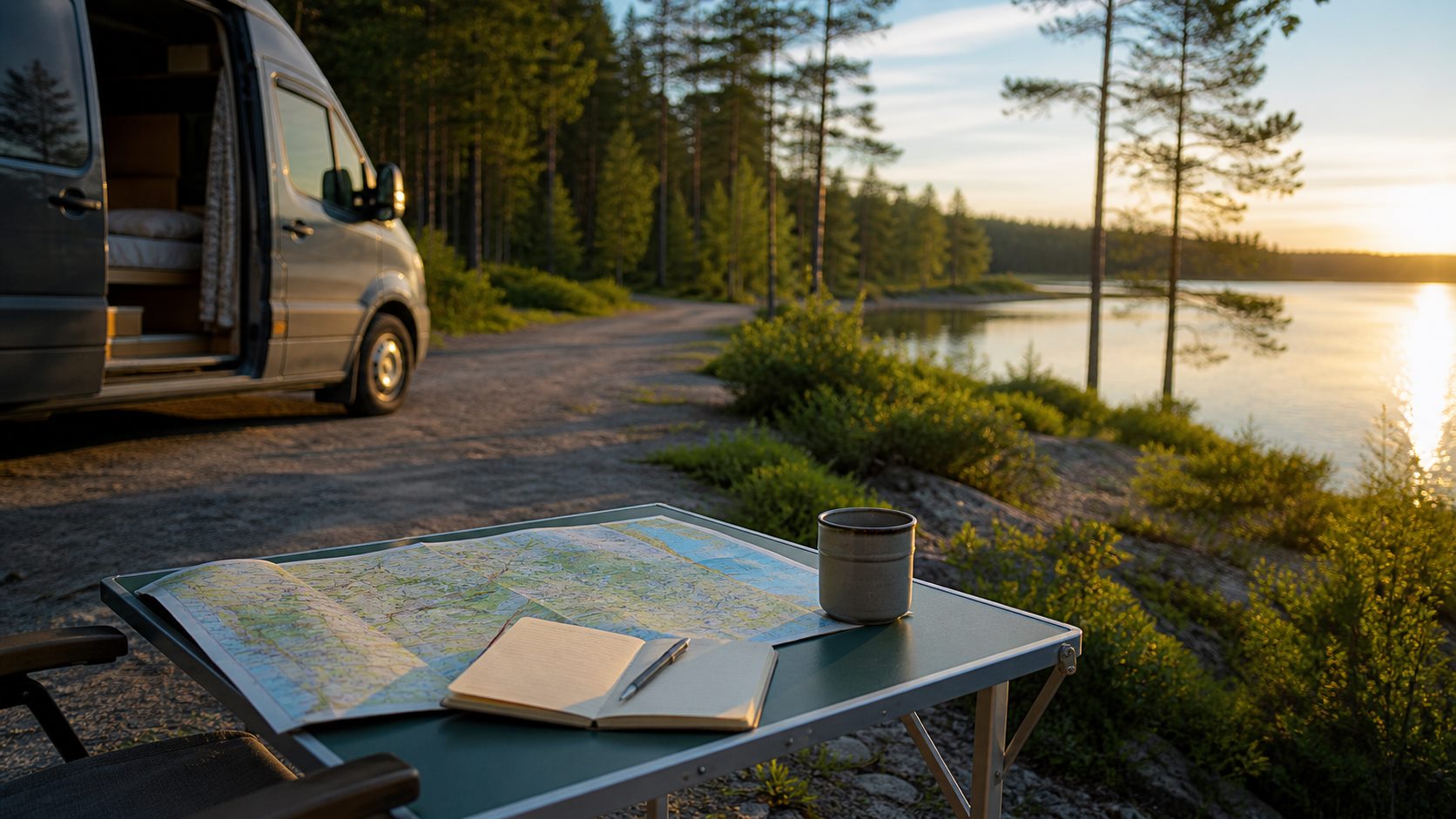
On a November evening, Dalarna and Sweden's High Coast can still be equally plausible choices for next summer. I would keep both on the map for a while. Winter leaves time to collect places, try a route and change your mind before holiday dates and bookings are settled.
Give autumn ideas somewhere to wait
A photograph of Skuleberget appears in your feed. Someone mentions a swimming spot beside Lake Siljan. Save the place name and a short note about its appeal while you still remember it: the walk, the evening swim or the chance to spend several nights in one area.
Let the collection grow beyond a single trip. If Mora, Rättvik and Skuleberget all make the shortlist, they need not all make the July itinerary. During autumn, notice which areas you keep returning to and what you want time for there. A walk and a long lunch say more about your preferred pace than ten more map pins.
If you are travelling together, each person could pick one particularly appealing stop. That makes different wishes visible early: one person wants the coast, another wants a lake. Both can remain possibilities while you work out what fits.
Try two versions of summer during winter
Take an imaginary trip with 7 nights. One option groups visits around Siljan; another allows more time along the High Coast. I would compare how often the car needs repacking, which days carry most of the driving and where two nights in one place would leave a whole day without moving.
Sketch loosely. Move a stop. Then check whether the new order leaves time for what you wanted to do there. If a detour takes most of a day, it can already be saved for another trip.
For a simple planning example, 2 of the 7 nights could be spent in one area and 1 could remain without a fixed location. This is a suggestion to try, rather than a ready-made route or a recommended split for everyone. Include the outward and homeward journeys beside the sightseeing days so they do not disappear from the holiday week.
When the driving needs a closer look, see the guide to reasonable daily driving distances. The winter task here is comparing two possible weeks, rather than making every hour add up.
Return when a new idea changes something
The plan does not need a Sunday routine. Open it when something changes: you find out which weeks you can take off, discover a walk that needs another day or decide that one fewer overnight move would suit you better.
Briefly note why an option was dropped. “Too much driving for this week” is enough. By February, it may be hard to remember why a place that still looks appealing was left out. Keep the original place idea for later.
The broader guide to planning a vanlife route in Sweden covers services, backup overnight options and road choices. Those questions become easier to consider once you have chosen the area for summer.
Investigate bookings as dates become clearer
A ferry, a particular visit or a specific place to stay can shape the rest of the journey. Investigate those commitments during winter if they are essential; do not wait until spring simply because the rest of the plan is loose. Check when booking opens and what the amendment and cancellation terms allow.
Once travel dates are known, compare actual departures and accommodation options. Destination Gotland's accommodation search, for example, lets you choose an area and dates. The result applies to that search, rather than establishing availability or prices for the whole summer.
Keep a task for information that has not been published yet. Check visiting days with the attraction and ferry times with the operator closer to departure. A plan can contain a booked commitment alongside several unanswered questions.
Keep room as the plan takes shape
An open day can have an area without a list of visits. You then know roughly where you want to be, while leaving swimming, walking or an extra night until the weather and your mood are easier to judge. Keep alternative stops optional instead of adding them to an already full day.
If something better appears in April, a winter suggestion can go. The time spent comparing areas remains useful: you know which detour you are dropping and what the new stop needs to fit between.
Keep the same plan through spring
Once 7 nights and a couple of areas begin to take shape, the ideas can share a home. In FARON, you can collect places you want to visit and use them when building a planned trip. Create the plan without a departure date, add stops and overnight stays, then change their order or remove planned points.
The checklist can hold tasks such as comparing ferry departures and sorting the packing. Reopen the same trip when the next detail is known and add dates later. Read about building an upcoming trip or create an account and add the first few places.
Frequently asked questions
How early can I plan a summer road trip?
You can collect place ideas during autumn or winter. Leave decisions that require confirmed dates until you have them, and investigate essential parts of the journey early.
Do I need to book the whole trip in winter?
No, you can book the commitments that need securing and leave other parts open. Read amendment and cancellation terms before paying.
What if I choose a different destination in spring?
Keep the place ideas and select those that fit the new direction. A place removed from this summer's route may still suit a later trip.
How do I leave room for spontaneity?
Leave days or overnight areas without a fixed programme and keep alternative visits optional. Fit that freedom around the bookings and homeward travel dates you need to meet.